
Forgetting the Audience in the Room
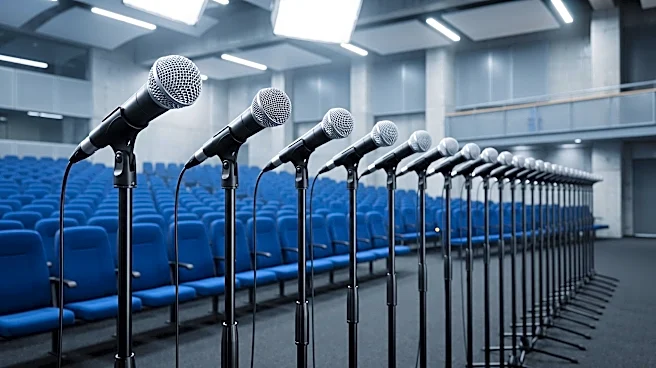
The single biggest mistake a studio, network, or publisher can make is forgetting who the panel is for. It isn't for the press release, the shareholders, or the YouTube clip that will be uploaded later.
It's for the thousands of dedicated, passionate fans who are sitting right there in the room. When a panel becomes a stiff, overly-scripted press conference, it treats the live audience as a backdrop for a marketing asset. This is the cardinal sin of Comic Con. Fans can feel the difference between a celebration they are part of and a corporate presentation they are merely witnessing. They don't want a sanitized, pre-packaged announcement; they want a shared, live experience. The moment it feels like a business meeting, the magic dies.
The Anatomy of a Flat Reveal
This mistake manifests in several predictable and painful ways. It starts with a moderator who is clearly just reading from a list of approved, boring questions. Then come the panelists—actors, directors, creators—who have been so media-trained that their answers are devoid of spontaneity or genuine emotion. They stick to talking points and offer vague platitudes. The “reveal” itself is often the biggest letdown. It might be a logo, a title card, or a teaser trailer so short and cryptic that it generates more confusion than excitement. Worst of all is a Q&A session where every question from the audience feels pre-screened to be a softball. Instead of a raucous celebration, the room is filled with polite applause and the quiet sound of fans checking their phones, their energy completely drained.
Why Sterile and Safe Kills Hype
The consequences of a flattened panel extend far beyond the Javits Center. The primary currency of Comic Con is organic buzz. A genuinely exciting reveal will have fans in the room texting friends, posting live reactions, and flooding social media with an authentic energy that no marketing budget can buy. A flat panel, however, produces the opposite. The online chatter becomes negative or, even worse, nonexistent. Instead of feeling included, fans feel used as props. They waited in line, sometimes for hours, not to be part of an investor call, but to share a moment of collective joy. When that opportunity is squandered on a risk-averse, sterile presentation, it can taint the perception of the project before the public has even seen a full trailer.
How the Smartest Panels Get It Right
The panels that become legendary understand the assignment. They treat the live audience as the main event. A great reveal feels like a secret being shared with thousands of your closest friends. It could be a truly unexpected guest walking out on stage, like when Bryan Cranston revealed he'd been walking the floor in a Walter White mask. It might be showing a lengthy, exclusive clip that won't be online for weeks, rewarding the people who showed up. It’s about genuine interaction, where panelists can laugh, go off-script, and play off the crowd's energy. A good moderator will ask provocative, interesting questions instead of just moving things along. These moments feel spontaneous and special, making every single person in that room feel like they witnessed something unique—a story they will tell for years to come.