


The cinematic storm that was the two-part 'Wicked' has passed, leaving behind a trail of emerald-tinted box office records. But as the spectacle settles, a question emerges: in bringing Oz to the big screen, did the films trade the story's thorny soul
for a simpler heart?
The Question That Made 'Wicked' a Phenomenon
For over two decades on Broadway, 'Wicked' thrived on a revolutionary idea: what if the villain was just a person whose story hadn't been told? The musical's enduring power came from its moral ambiguity. It asked audiences to look at Elphaba, the green-skinned outcast, and Glinda, the bubbly popular girl, and constantly question who was 'good' and who was 'wicked'. The story was a masterclass in perspective, suggesting that history is written by the winners and that wickedness is often a label applied by those in power. The line between hero and villain was thrillingly blurry, forcing a generation of theatergoers to reconsider their definitions of both.
The Blockbuster Simplification
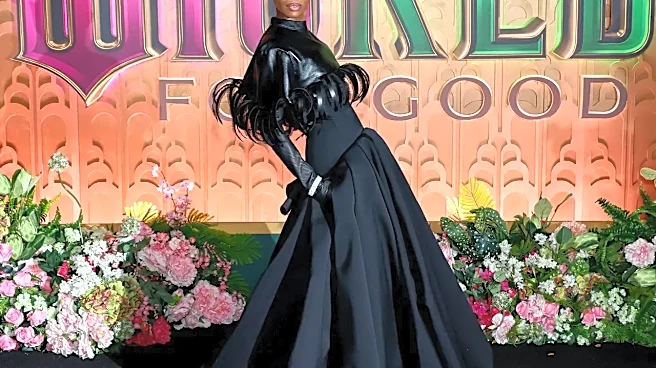
Director Jon M. Chu's two-part film adaptation, by contrast, seems less interested in asking questions and more focused on providing clear emotional answers. While visually spectacular, the films—'Wicked' (2024) and 'Wicked: For Good' (2025)—steer the narrative toward a more conventional Hollywood framework. Elphaba, played with fierce dignity by Cynthia Erivo, is presented less as a complex anti-hero and more as a straightforward, misunderstood protagonist. The villains, The Wizard and Madame Morrible, are drawn with clearer lines of malevolence. The political intrigue and themes of propaganda, while present, often take a backseat to grand emotional beats, a choice that makes the story more accessible but less subversive. The films added new scenes and even new songs to flesh out the world, but in doing so, they also seemed to smooth over the story's sharpest edges.
A Story 'For Good' Is a Story of Friendship
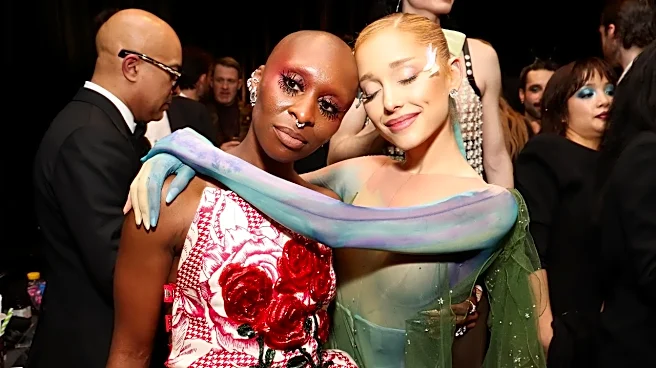
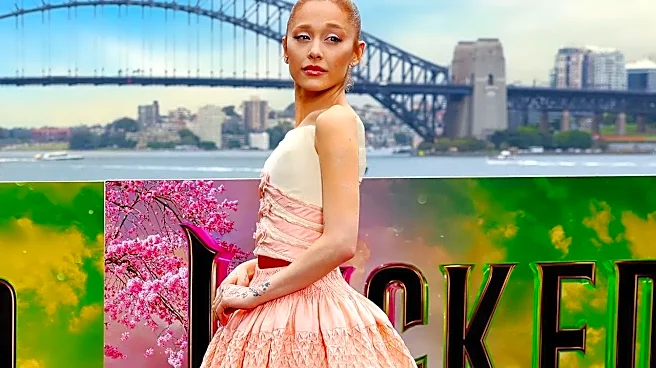
The adaptation's primary thematic focus, as Chu himself noted, became the friendship between Elphaba and Glinda. The movies give their bond the time and space to breathe, turning their journey from rivals to roommates to sisters-in-spirit into the undeniable heart of the story. The incredible chemistry between Erivo and Ariana Grande anchors the entire two-part event, making their connection the powerful, central force. This isn't a flaw; it's a choice. The films argue that the most important journey isn't the political one, but the personal one. The story becomes less about defying a corrupt government and more about how these two women change each other 'for good'. Their relationship is the emotional core, rendered with a depth and intimacy that even the stage show couldn't fully capture.
What's Gained, and What's Lost
In shifting the focus, the 'Wicked' films achieved something massive: they created a universally resonant blockbuster. By centering the relatable, powerful story of female friendship, the movies found a direct line to the audience's heart. The tradeoff, however, is the loss of the unsettling ambiguity that made the original a cultural landmark. The stage show was a political allegory wrapped in a fantasy musical; the films are a friendship epic set against a fantasy backdrop. Fans and critics were divided; some praised the new depth given to the central relationship, while others lamented that the story's structure felt overstuffed or that the second part inherited the stage show's narrative issues without solving them. The films successfully brought Oz to a global audience on an unprecedented scale, but they did so by making it a safer, less complicated place.