

More Than Just Cutting Away
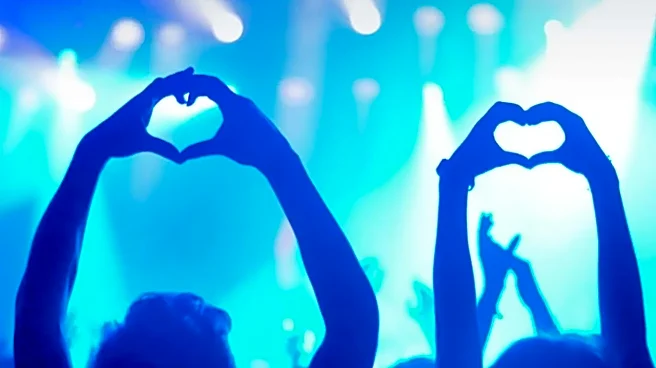
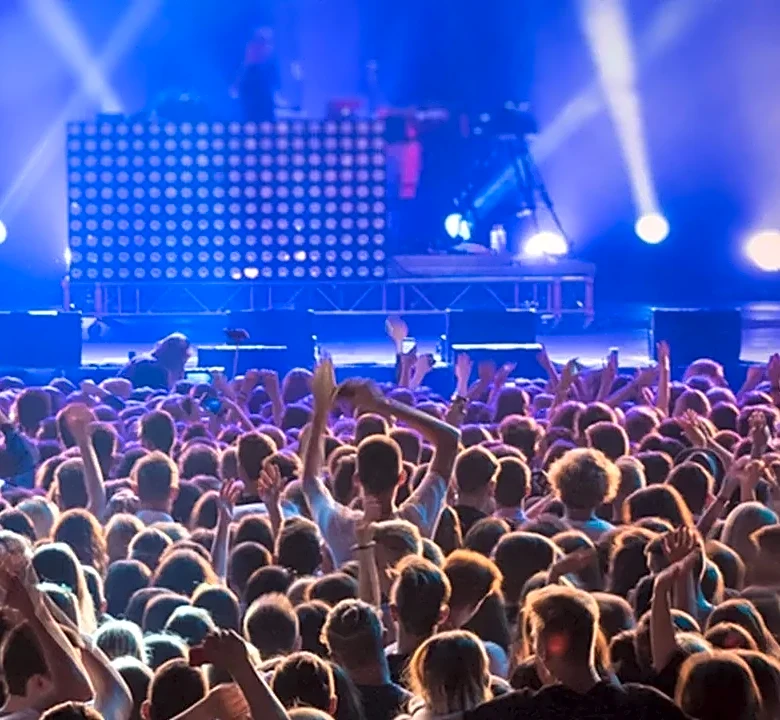
First, let's get one thing straight: the crowd shot is not just filler. In the world of a massive live broadcast like the iHeartRadio Music Festival, every second of screen time is deliberate. Directors use audience shots to build a bridge between the performers
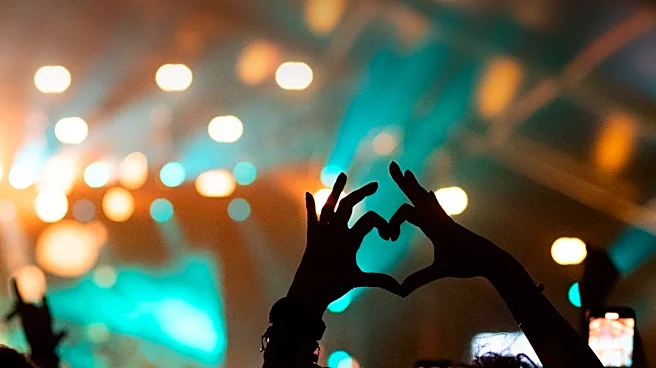
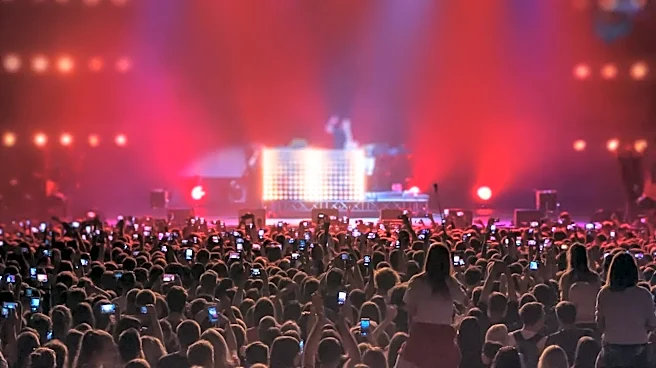
on stage and the millions of viewers watching at home. When a camera finds a fan singing every word with tears in their eyes or a group of friends dancing with pure joy, it accomplishes something a static shot of the artist can't. It makes the event feel like a shared, collective experience. These moments of authentic emotion serve as proof of the music's impact, turning a concert into a story about connection. It's a key part of the broadcast's narrative, designed to make viewers feel like they are part of the crowd, too.
The Director's Hunt for Emotion
In a television production truck parked backstage, a director is orchestrating a complex visual dance. They are watching feeds from dozens of cameras—some fixed, some on giant moving cranes, and others operated by camera people roaming the arena floor. This director isn't just cutting between artists; they're constantly communicating with their camera operators, guiding them on a hunt for compelling micro-stories within the audience. An operator might be told, "Find me someone singing along to this chorus," or "Look for genuine energy in the front rows." They are actively searching for faces that radiate the mood of the song. For a high-energy pop anthem, they want to see dancing and excitement. For a heartfelt ballad, they're looking for introspection and emotional vulnerability. The goal is to capture reactions that feel real and amplify the performance.
The Right Shot at the Right Time
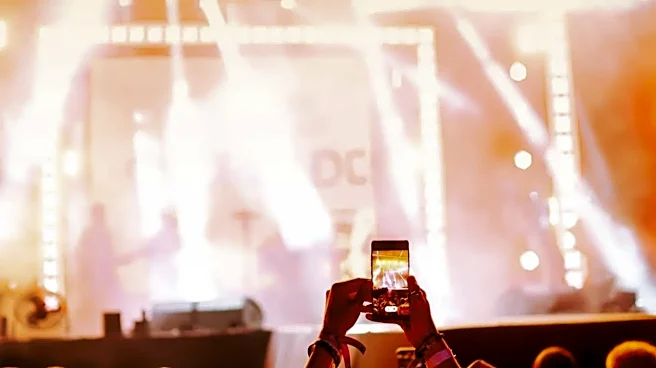
The technical and creative process is a fast-paced collaboration. Camera operators in the crowd have to navigate thousands of people to find the perfect angle. They're looking for clean shots, unblocked views, and expressive individuals who aren't just staring at their phones. Once a potential shot is found, the camera operator radios it to the director, who decides if and when to use it. The timing is everything. A live broadcast's pacing is critical; the director must match the rhythm of the edit to the rhythm of the music. A rapid-fire sequence of dancing fans might be cut together during an explosive guitar solo, while a slow, lingering zoom on a single, captivated face can provide a powerful punctuation mark at the end of a moving song. This seamless integration of performer and audience is what makes the broadcast feel cohesive and emotionally resonant.
Building the Brand's Energy
Ultimately, for an event like the iHeartRadio Music Festival, visual storytelling is also brand building. The festival itself is a massive production that takes months of planning, involving hundreds of crew members from lighting designers to audio engineers. The final broadcast, which streams on platforms like Hulu and Disney+, is the product that reaches the widest audience. By showcasing a sea of passionate, engaged fans, the broadcast reinforces the idea that this festival is the epicenter of music culture. It tells sponsors, future attendees, and artists that this is an event with unparalleled energy. Those carefully selected crowd shots aren't just capturing the moment; they are selling the experience and ensuring the festival's legacy as a can't-miss spectacle continues to grow.