



The Real Job of an Opening Act
First, let's get one thing straight: the opening act isn't just filler. Their job isn't merely to kill time while the latecomers find parking and grab a drink. In a well-curated show, the opener has one of the most important roles of the night: to warm
up the room. They are the hosts of the party before the guest of honor arrives. Their performance sets the initial energy level, primes the audience for what's to come, and begins the collective emotional journey that makes live music so powerful. A great opener doesn't just play music; they build a foundation of excitement and anticipation that the subsequent acts can build upon. They get people engaged, nodding their heads, and invested in the night as a whole, transforming a crowd of individuals into a unified audience.
The Fatal Energy Mismatch
This brings us to the single biggest mistake: a dramatic energy mismatch between acts. This isn't about genre. A folk singer can absolutely open for a rock band, and a DJ can precede a rapper. The problem occurs when the intensity, stage presence, or production scale is wildly out of sync, creating an emotional and energetic whiplash for the audience. Imagine a high-octane punk band, all flying kicks and crowd-surfing, playing a blistering 45-minute set. The room is electric. Then, the headliner comes on—a thoughtful, introspective singer-songwriter whose act is built on subtlety and quiet intensity. The audience, still buzzing from the punk set, can perceive this shift not as a change of pace, but as a drop in energy. They grow restless, talkative, and disengaged. The headliner has to fight an uphill battle to win back a crowd that the opener accidentally programmed for a different kind of show.
When the Opener Steals the Show
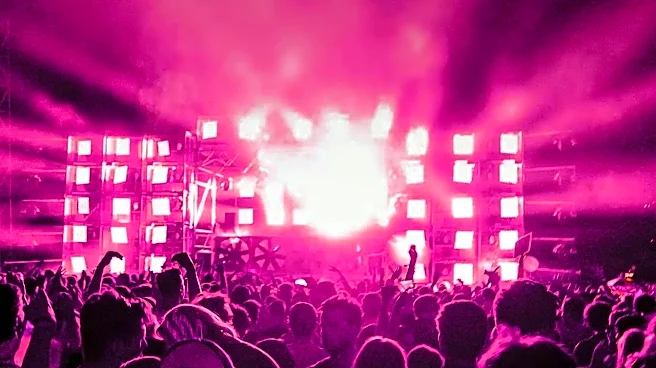
The reverse is just as damaging. Sometimes, an opening act with a massive, festival-ready production—complete with video screens, pyrotechnics, and intricate choreography—is booked to open for a more straightforward headliner. Even if the headliner is more famous, following an act that delivered a sensory overload can make their more stripped-down performance feel underwhelming. The audience’s expectations for spectacle have been set impossibly high. The goal of a lineup is to create a narrative arc, a steady build that culminates with the headliner. When an opener deploys their entire arsenal and effectively delivers a headliner-level performance, they disrupt that arc. Promoters and fans agree that while a strong opener can be a highlight, one that completely overshadows the main event is a sign of poor planning. The perfect lineup feels like a cohesive story, not a random playlist.
Crafting the Perfect Flow
The art of the perfect lineup lies in understanding momentum. A bill should feel like it’s escalating. The first act introduces the evening's themes and establishes a baseline of energy. The direct support act then raises the stakes, building on that energy and pushing the audience's excitement to a higher level. Finally, the headliner takes the stage to a crowd that is perfectly primed, eager, and emotionally invested, delivering the climactic release the entire night has been building toward. This shared emotional high, or “collective effervescence,” is what makes concerts feel so memorable and is easier to achieve with a logical flow. It requires thinking about more than just the music; it's about the performers' charisma, their connection with the crowd, and how each set logically flows into the next. When done right, the audience isn't just watching three separate performances; they're part of one unforgettable event.