



The Polo Shirt: An Enduring Icon
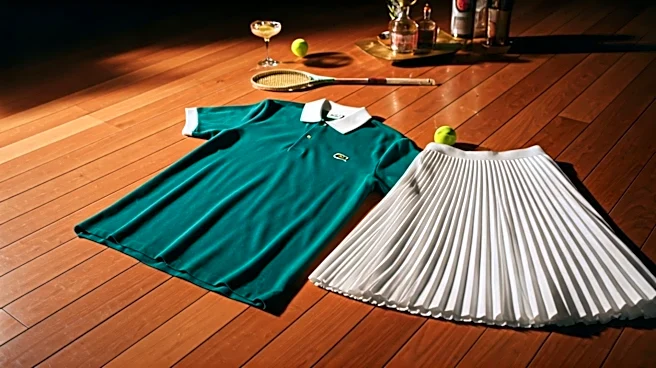
The polo shirt is the undisputed anchor of tennis style, and no brand owns that legacy quite like Lacoste. French tennis star René Lacoste revolutionized court apparel in 1933 by creating a short-sleeved, breathable piqué cotton shirt that offered freedom
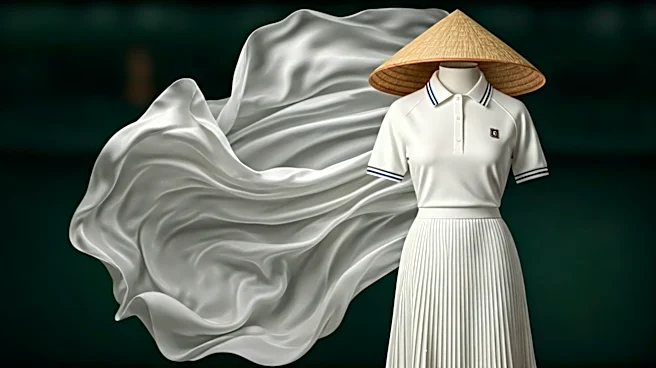
of movement—a stark contrast to the restrictive long-sleeved shirts of the time. Fast forward to the early 2000s, and the Lacoste polo was a status symbol, worn with a popped collar both on and off the court. Today’s “court-to-cocktail” trend reinterprets this classic. It’s less about preppy rigidity and more about effortless versatility. An oversized polo can be styled as a mini-dress, cinched at the waist, while a classic-fit version is tucked into tailored trousers or a silk skirt, proving that this sportswear staple has successfully transitioned from athletic essential to a chic, everyday basic.
The Pleated Skirt's Second Act
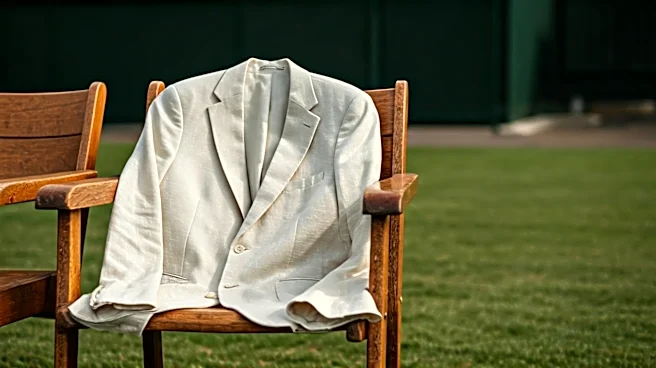
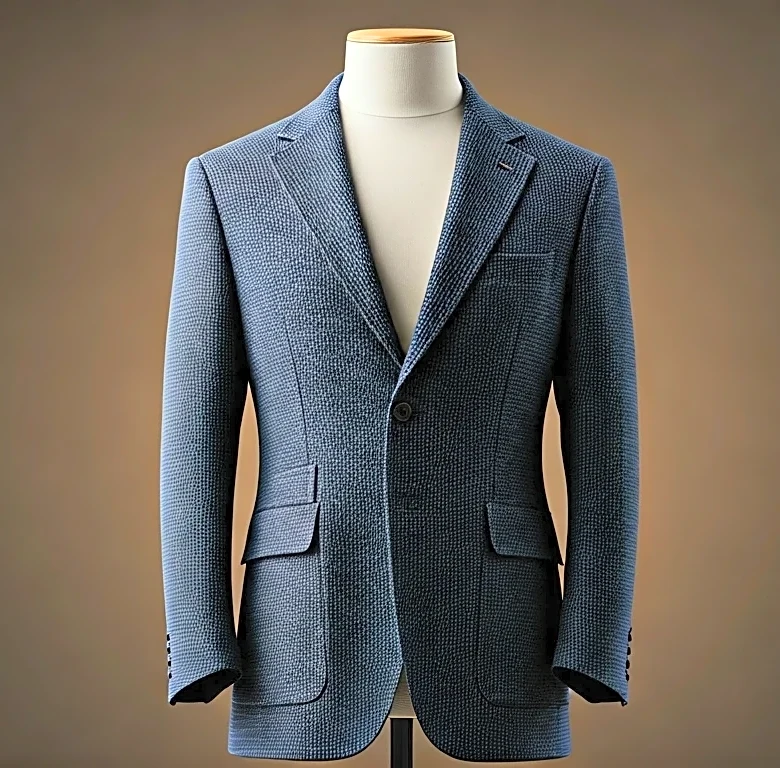
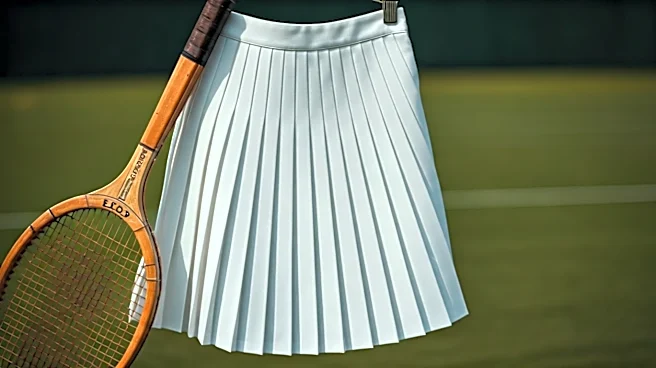
The pleated skirt is another cornerstone of the “tenniscore” aesthetic. In the 2000s, players like Serena Williams and Maria Sharapova turned the court into a runway, wearing skirts with more personality and flair than ever before. These weren't just functional athletic garments; they were fashion statements. The modern revival sees the pleated skirt moving far beyond the baseline. Paired with a delicate knit top or a structured blazer, it becomes a versatile piece suitable for brunch or evening drinks. The key to the 2026 version is the blend of athletic heritage with polished refinement. Look for lightweight technical fabrics that offer movement but maintain a clean, tailored silhouette that reads as quiet luxury.
Beyond the Court: Tracksuits and Sets
The early 2000s also embraced the matching tracksuit, a look that blended comfort with a certain casual swagger. While velour sets had their moment, the clean, athletic lines of a classic tennis warm-up suit have more enduring appeal. Today, the coordinated set offers a strategic approach to dressing. A matching polo and skirt or a tailored track jacket and pants provide an instantly polished look. This concept aligns perfectly with the court-to-cocktail ethos, where an outfit needs to be versatile enough to carry you through different parts of your day. The modern interpretation favors elevated fabrics and a more refined fit, ensuring the look is sleek and intentional, not sloppy.
Finishing Touches: Heritage Accessories
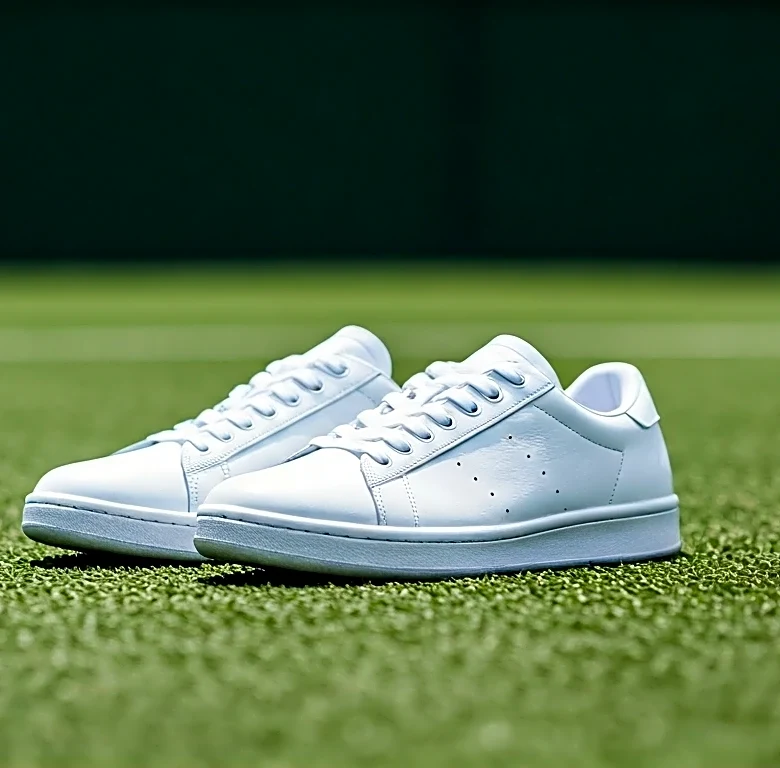
No tennis-inspired look is complete without the right accessories. In the Y2K era, sweatbands and visors were common, adding an authentic athletic touch. Today’s take is more subtle. Crisp white sneakers, like the heritage-inspired designs Lacoste has reissued from its archives, are essential. These styles often feature clean lines and minimal branding that recall the brand’s history. Other key accessories include classic crew socks, a simple headband, or a sweater draped elegantly over the shoulders. The goal is to add a nod to the sport's aesthetic without looking like you're in full costume. It’s about capturing the spirit of sophisticated leisure that has defined tennis fashion for decades.
The Lacoste Lens: A Legacy of Style
Viewing this trend through the Lacoste lens makes perfect sense. The brand, founded by a tennis player, was the first to put a visible logo—the iconic crocodile—on the outside of a garment. This move forever linked sportswear with branding and aspirational style. Lacoste’s history is built on bridging the gap between performance and elegance, a principle that is the very definition of court-to-cocktail. From its revolutionary polo shirt to its classic tennis dresses and accessories, the brand’s heritage is woven into the fabric of the tenniscore trend. Embracing these early-2000s codes isn't just about nostalgia; it’s about celebrating a timeless aesthetic of sporty sophistication that remains relevant today.