

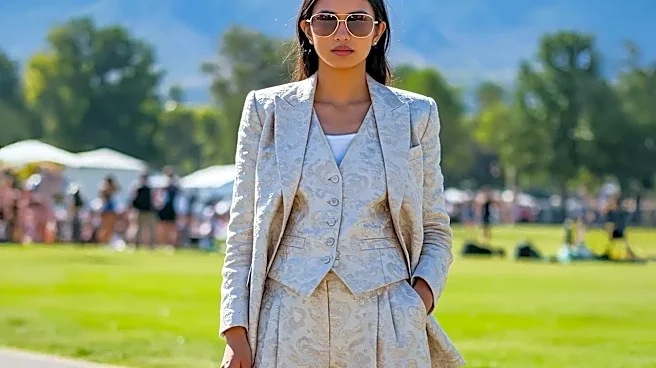

The Golden Number for Hem Width
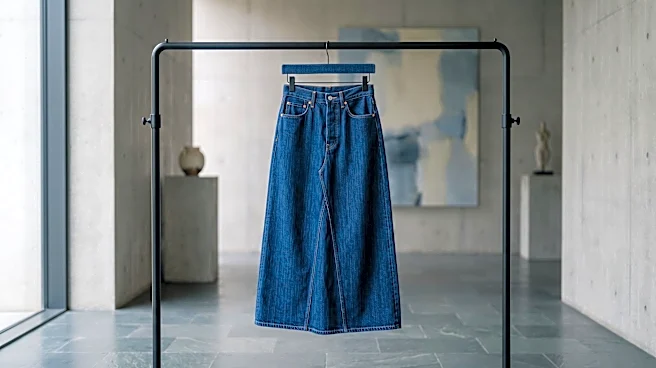
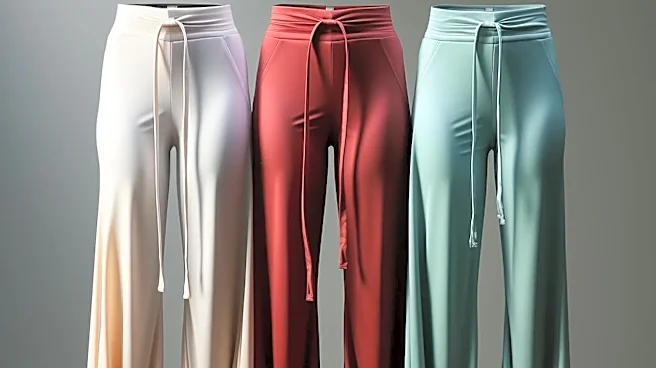
While it may seem arbitrary, there is a 'golden range' for the leg opening of wide-leg trousers that promotes graceful movement. For a classic wide-leg that won't overwhelm your frame or get caught between your feet, stylists and tailors often aim for a total
hem circumference of 20 to 24 inches. Anything significantly narrower ventures into straight-leg territory, while anything wider becomes a more dramatic palazzo pant that requires more careful styling. For petite frames (under 5'4"), sticking to the lower end of this range—around 19 to 22 inches—prevents the silhouette from swallowing you whole. Taller individuals (5'9" and up) can easily handle the 22 to 24-inch opening and even go wider. To find this measurement on a pair of pants, simply lay them flat, measure the width of the leg opening from side to side, and double the number. This gives you the total circumference and a reliable indicator of how they will move.
Fabric: The Unsung Hero of Flow
The measurement of the hem is only half the story; the fabric is the other, equally important, half. A 22-inch opening in a stiff, rigid denim or canvas will stand away from the body, creating extra bulk and a higher chance of the fabric catching on itself. The same 22-inch opening in a fluid, drapey material—like a wool blend, Tencel, lyocell, or silk—will hang closer to the body and move with you. This 'drape' is critical because it allows the fabric to collapse back toward your legs as you walk, creating that coveted 'swish' instead of a tangle. When shopping, feel the material. If it has some weight but flows easily over your hand, it's likely to perform well. If it holds a stiff shape on its own, it may prove more difficult to manage, even with the perfect hem width.
Length: The Deciding Factor
An incorrect length can undermine even the most perfectly proportioned wide-leg pant. Trousers that are too long will inevitably drag, get caught under your feet, and become a serious trip hazard. If they are too short, they can look awkward and ruin the long, elongating line that makes the style so appealing. The rule of thumb for full-length wide-leg trousers is for the hem to hover about a quarter-inch to a half-inch off the floor when you are wearing the shoes you plan to pair with them. This ensures the pants skim the top of your shoe without bunching or pooling, creating a clean, polished, and—most importantly—safe silhouette. This is why you often need to commit a pair of wide-leg trousers to either flats or heels, as the perfect length for one is rarely correct for the other.
Your Shoes Can Make or Break the Look
Finally, consider your footwear. The design of your shoe can directly contribute to tangling. Open-backed shoes, like mules or slides, are notoriously treacherous with full-length wide trousers. As you walk, the back hem of the pant leg can easily slip under your heel, catching the fabric and causing you to stumble. A much safer and more practical choice is a closed-heel shoe, such as a sneaker, loafer, or boot. The closed back provides a smooth surface for the pant hem to glide over, significantly reducing the risk of it getting caught. This simple switch can be the difference between a confident stride and a constant, frustrating battle with your clothes. For cropped wide-leg styles that end above the ankle, this is less of a concern, giving you more freedom in your footwear choices.