









The Anatomy of a Chant
Picture the scene: the 85th minute of a World Cup semi-final. For most of the match, your team has been trailing. The initial pre-game buzz has faded, replaced by the tense, repetitive cadence of a fan chant. This sound isn't about celebration; it's about collective
will. It’s a plea, an auditory push meant to infuse tired legs with adrenaline. Psychologically, this chanting synchronizes the crowd, creating a shared emotional state. It’s a way of saying, “We are still here,” even when hope is dwindling. The sound is a fragile shield against the creeping despair that every fan knows. It's a conversation the crowd has with itself, a way to keep the faith when the action on the field offers little reinforcement. This is the sound of a stadium holding its breath, waiting for a spark.
The Instant of Ignition
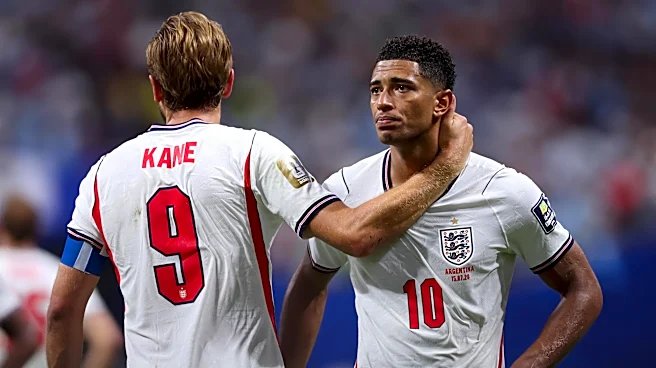
Then it happens. A quick pass, a sudden opening. A player takes a shot from outside the box. For a fraction of a second, 70,000 people fall silent. The chant dies, replaced by a collective intake of breath. The ball curls, it dips, it bypasses the despairing dive of the goalkeeper, and it ripples the back of the net. In that instant, the entire emotional landscape of the stadium is redrawn. The equalizer in the Argentina vs. England semi-final on July 15, 2026, was a perfect example. Down 1-0 late in the game, Enzo Fernández’s goal didn't just tie the score; it detonated the stadium. The sound that followed was not the chant that came before. It was a roar—a sudden, explosive release of pent-up anxiety, frustration, and hope.
From Sound to Force
A chant is a question. A roar is an answer. The difference isn't just volume; it's texture, meaning, and impact. While a chant is a form of encouragement, a roar is a declaration of dominance. It’s the sound of thousands of individual identities fusing into a single, powerful organism. This eruption of noise serves as a profound psychological cue, not just for the fans, but for the players. For the home team, it’s a wave of validation and energy. For the opposition, it can be deeply unsettling, disrupting communication and creating an atmosphere of intense pressure. Studies have shown that negative crowd noise can impair the accuracy and decision-making of visiting players, particularly in high-stakes moments. A roar is the physical manifestation of home-field advantage.
The Psychological Cascade
The impact of a roar extends beyond the immediate emotional high. It creates a feedback loop of momentum. The players, hearing the surge of belief from the stands, often experience a surge of their own. Fatigue seems to melt away, and a renewed sense of possibility takes hold. This is the “12th man” effect in action, where the crowd becomes an active participant in the game. Following Fernández's equalizer, Argentina continued to press, fueled by the thunderous support. Just seven minutes later, in stoppage time, Lautaro Martínez headed in the winner. The chant had become a roar, and the roar had become a victory. This is why fans invest so much emotion; their participation feels consequential. The shared experience builds a powerful sense of community and belonging, turning a simple game into a foundational part of personal and collective identity.