


Decoding the Dress Code
This isn't about wearing a full-blown costume to the grocery store. Instead, this trend, often called 'closet cosplay' or 'character coding,' is about distilling the essence of a character into a wearable, real-world look. Think of it as a secret language
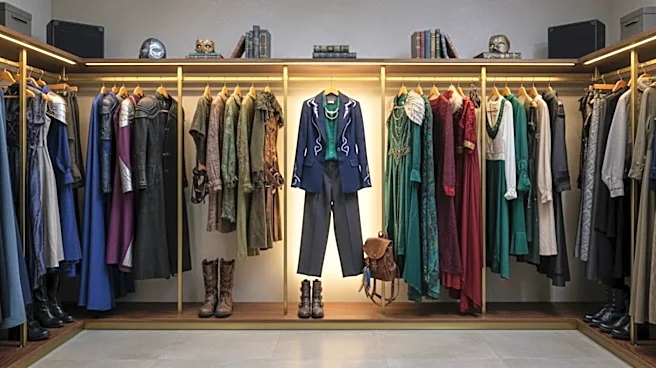
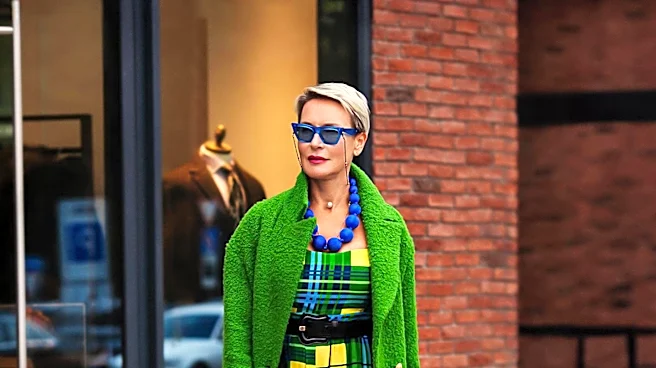
spoken through fabric. The key isn't replication, but interpretation. It involves borrowing a character's signature color palette, a key accessory, or a specific silhouette and weaving it into an everyday outfit. For example, a yellow jacket, blue shirt, and a touch of red could subtly nod to Snow White, just as a sharp black suit paired with a futuristic tie might channel a sci-fi hero. The goal is to be recognizable to those in the know, while appearing simply stylish to everyone else.
Beyond the Comic-Con Floor
The most famous predecessor to this trend is 'Disneybounding,' a term coined by creator Leslie Kay in 2011. Faced with theme park rules that prohibit adults from wearing costumes, fans began creating outfits from regular clothing that evoked their favorite Disney characters. This clever workaround blossomed into a massive online community, proving that you don't need a convention hall to celebrate the characters you love. The movement has since expanded far beyond Disney, with fans of anime, video games, and blockbuster films adopting the same principles. It represents a shift from cosplay as a high-effort, event-specific activity to a more accessible, daily form of creative expression. It's less about becoming the character and more about bringing a piece of their world into your own.
A Language of Personal Style
So, why the pivot from elaborate costumes to subtle sartorial nods? For many, it's a way to integrate a passion into their public-facing identity without sacrificing professionalism or personal comfort. It's a creative outlet that merges the joy of fandom with the practicality of a daily wardrobe. In a world where personal style is increasingly seen as a form of self-expression, character coding allows individuals to tell a story about their interests, tastes, and what brings them joy. An outfit can become an inside joke, a conversation starter, or simply a private source of confidence—a suit of armor, so to speak, inspired by a beloved hero or anti-hero. It's also a reaction against the high-production arms race in traditional cosplay, offering a more sustainable and financially accessible way to participate in fandom.
How to Speak the Style
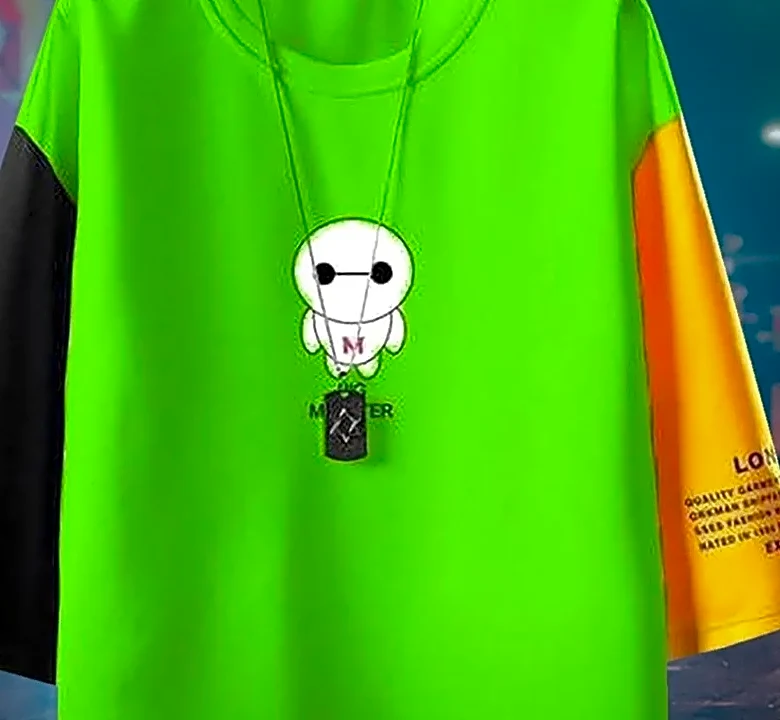
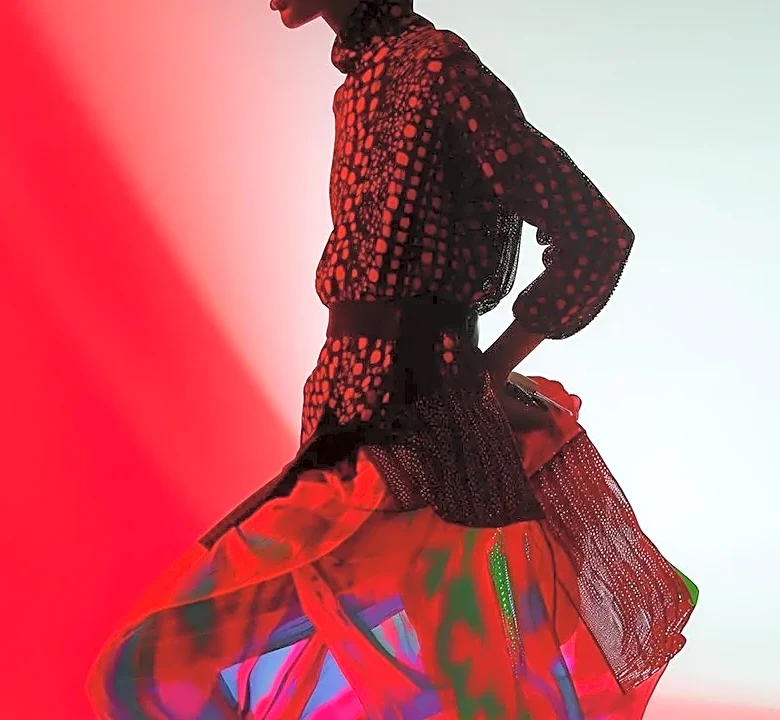
Spotting this trend in the wild—or trying it yourself—is all about paying attention to the details. The first step is always color blocking; it's the simplest and most effective way to evoke a character. A combination of purple and green might suggest a classic comic book villain, while a tan trench coat paired with a fedora points to a classic adventurer. Silhouettes are another major clue. A flowing cape-like coat, a high-collared blouse, or a particular style of jacket can all be powerful indicators. Finally, accessories do the heavy lifting. A unique piece of jewelry, a specific type of bag, or even a pin can be the final piece that pulls the entire homage together. The beauty of character coding is that the reference can be as loud or as quiet as you want it to be.