



The job is simple: watch the kids, eat some popcorn, and be home by midnight. Yet, for generations, the idea of babysitting carries a primal fear. John Carpenter's 1978 'Halloween' didn't invent this anxiety, but it perfected its cinematic language.
The Suburb as a Trap
Before
'Halloween', the suburbs in horror were often a sanctuary from a corrupt city or a remote, gothic evil. Carpenter and co-writer Debra Hill flipped the script. Their Haddonfield, Illinois, is a place of manicured lawns, quiet streets, and two-story homes that seem to promise safety. But the film masterfully turns this idyllic setting into a hunting ground. The wide, empty streets aren't peaceful; they're exposed. The familiar houses aren't shelters; they're containers where terror can be trapped inside with you. Michael Myers doesn't just invade these spaces; he belongs to them, having emerged from one of these very homes. The horror comes from the realization that the danger isn't 'out there'—it’s next door, watching from behind a hedge, or already inside the house. The film mocks the very idea of 'white flight' to safe communities, showing that evil can be homegrown.
The Everygirl as the Final Girl
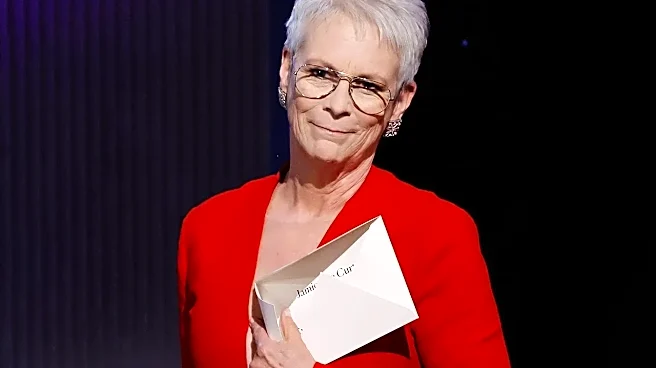
So much of the film's enduring power rests on the shoulders of Jamie Lee Curtis's Laurie Strode. She isn't a super-powered hero; she's the responsible, book-smart girl you knew in high school. She's relatable in her innocence and competence. While her friends are more interested in boys and beer, Laurie is focused on the kids she's paid to watch. This isn't just a moral judgment, as some early critics claimed. It's a crucial plot device. Laurie survives because she is perceptive, cautious, and attentive. She's the first to notice something is wrong, registering the small signs of danger her friends ignore. When Michael attacks, her terror is palpable because she is so ordinary. We put ourselves in her sensible shoes, and her fight to protect not only herself but also the children in her care makes her a hero we instinctively root for.
The Shape of Fear Itself
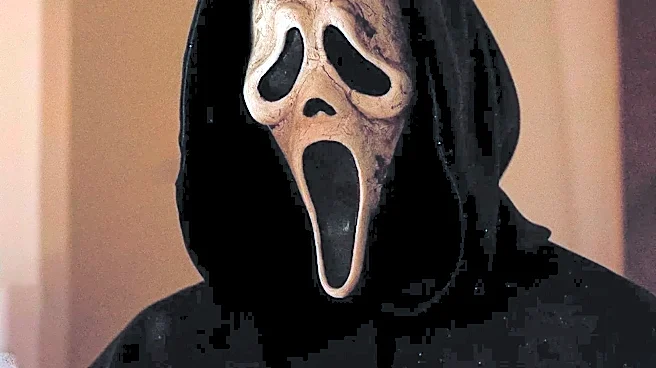
Who is Michael Myers? In the 1978 original, the most terrifying answer is: we don't really know. He isn't a monster with a complex, understandable motive. He is credited simply as 'The Shape,' a name Carpenter used in the script to define him not as a man, but as a thing—evil in human form. His pale, blank mask, famously a modified William Shatner mask, erases his humanity. He moves with a slow, deliberate pace, never running, which makes him seem both unnatural and unstoppable. This lack of motive is the key to his horror. We can't reason with him or predict his actions. Dr. Loomis describes him as 'purely and simply evil'. He represents the chilling, random violence that can erupt without cause, the boogeyman the kids fear is real. By keeping him a mystery, the film taps into a fundamental human fear of the unknown.
The Unforgettable Sound of Dread
You can't discuss 'Halloween' without talking about its score. After a test screening for a studio executive left her unscared, John Carpenter, a skilled musician, became determined to 'save it with the music'. Working on a shoestring budget, he composed the entire score himself in a matter of days. The main theme, a simple, repetitive piano melody played in an unsettling 5/4 time signature, is instantly recognizable. That unusual rhythm makes the world feel off-kilter, fundamentally wrong. The minimalist synth soundscape creates a constant, unnerving atmosphere of dread. It does as much to build the world of Haddonfield as the visuals do. The music acts as Michael's calling card, transforming scenes of quiet suburban streets into moments of unbearable tension long before the killer appears on screen.