





This Isn’t 1994’s Summer Fling
Anyone old enough to remember the 1994 World Cup recalls a certain novelty. It was a fun, star-spangled carnival that introduced a skeptical nation to the global game. It shattered attendance records and, crucially, gave birth to Major League Soccer.
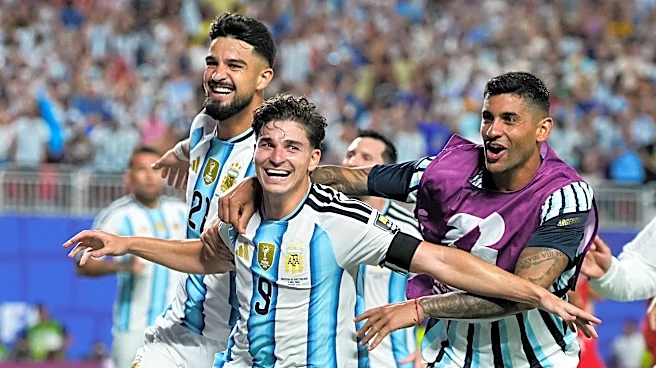
But it felt like a summer fling—a fun curiosity that faded when the NFL season kicked off. The 2026 tournament is a different beast entirely. It’s not introducing soccer to America; it’s accelerating momentum that’s been building for 30 years. The groundwork was laid by decades of youth soccer participation, the widespread availability of European league games on streaming platforms, and an increasingly sophisticated American fanbase. The arrival of Lionel Messi in 2023 was a seismic event, dramatically boosting MLS viewership and proving a global superstar could make the domestic league a worldwide attraction. This isn't a flash in the pan. It's a culmination.
The Numbers Are Staggering
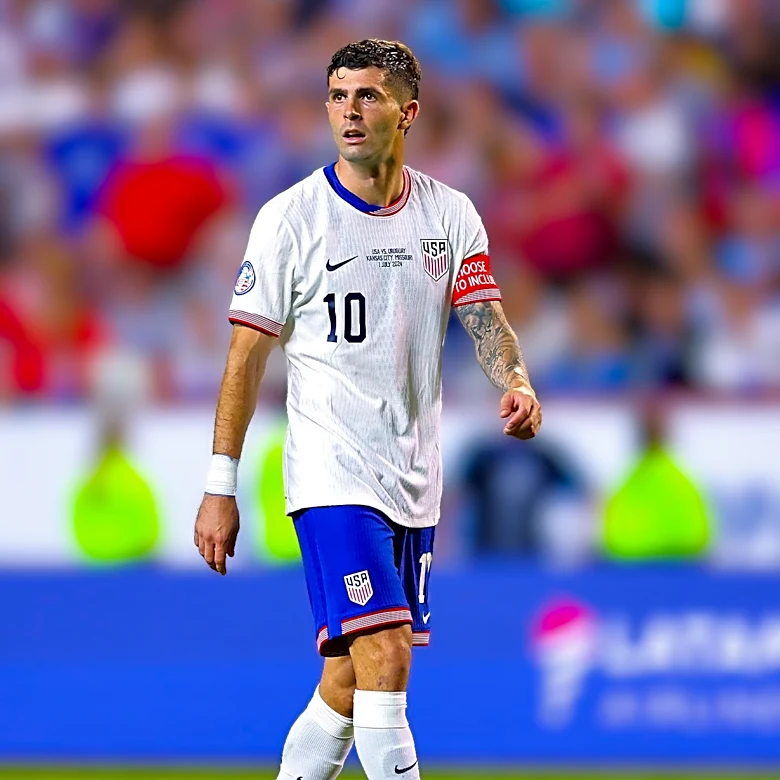
The raw data from the past month paints an astonishing picture. The U.S. Men's National Team's round of 16 loss to Belgium drew a combined audience of over 50 million viewers on Fox and Telemundo, making it the most-watched soccer telecast in U.S. history. That viewership rivals NFL conference championship games. But the obsession runs deeper than just rooting for the home team. Even after the USMNT’s exit, the numbers have held strong. A neutral-ground match between Mexico and England pulled in a massive 46.7 million viewers. Stadiums are operating at 99.7% capacity, with an average attendance of over 64,500 fans per game—a huge leap from the 2022 tournament. On social media, the tournament has generated billions of impressions, with TikTok emerging as a key platform for fan engagement, demonstrating a reach far beyond traditional sports media. These aren't the numbers of a niche sport; they are the metrics of a mainstream cultural event.
A Deeper, More Knowledgeable Fandom
Beyond the sheer volume of viewers, the nature of the conversation has changed. Pre-tournament chatter was filled with anxiety about whether America could be a good host. Now, downtowns and fan zones in cities like Kansas City, Atlanta, and Seattle are packed with diverse crowds celebrating the sport itself, not just a single team. The discourse is more nuanced. Younger fans, who grew up with the sport as a core part of their media diet, are driving the conversation online. They follow global stars on Instagram, consume highlights on TikTok, and can discuss the tactics of an England-Argentina semi-final with the same fluency as an NFC East showdown. The success of shows like "Ted Lasso" also helped prime a new audience, making the culture of global football more accessible and relatable. This isn't just about waving a flag; it's about a genuine love and understanding of the game.
So, Is This the Tipping Point?
It’s starting to look less like a question and more like a statement. The 2026 World Cup hasn't created a soccer obsession from scratch. Instead, it has acted as a massive accelerant on a fire that was already burning. For years, soccer's popularity has been steadily climbing, particularly among younger, more diverse demographics. What this tournament has done is take that growing interest and blast it into the stratosphere, making it impossible to ignore.
The key difference from 1994 is the infrastructure of fandom that now exists. MLS is an established, growing league. American players are regulars at top European clubs. And an entire generation has grown up with soccer as a normal, accessible part of the American sports landscape. The question is no longer whether Americans will ever truly love soccer. The question now is how dominant it can become.