

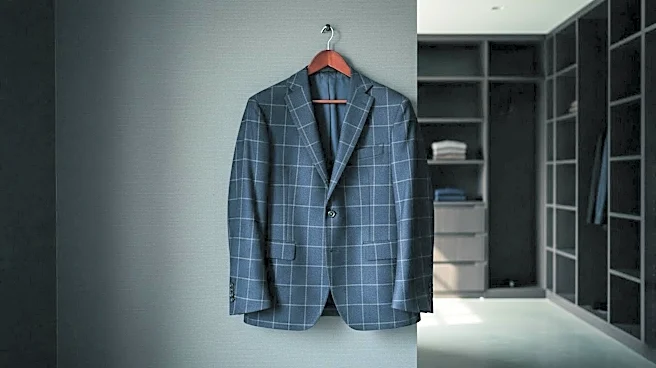
Start with Lightweight Fabrics
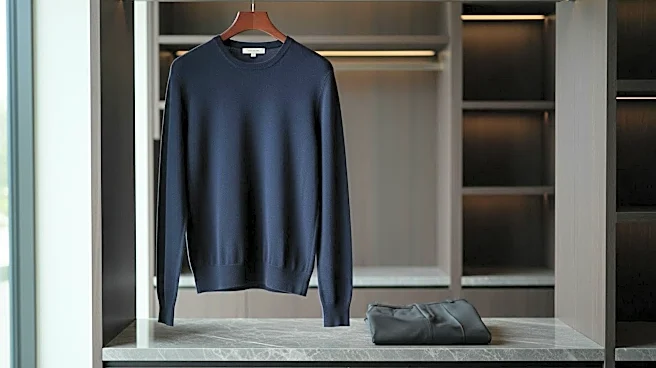
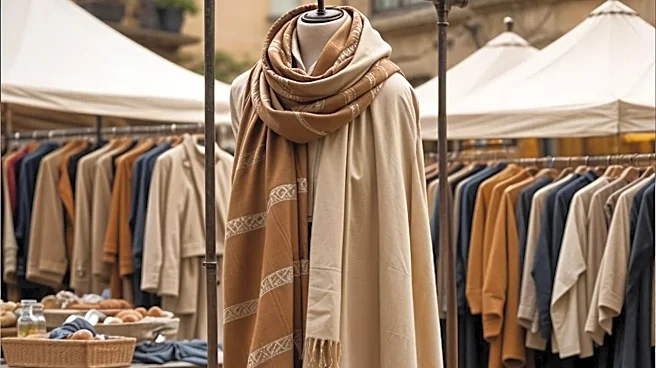
The first rule of layering for lightness is to avoid heavy, bulky materials. The goal is to create dimension, not volume. Start your outfit with a base layer made from fine, breathable fabrics. Think silk camisoles, thin cotton tees, or fine-gauge merino
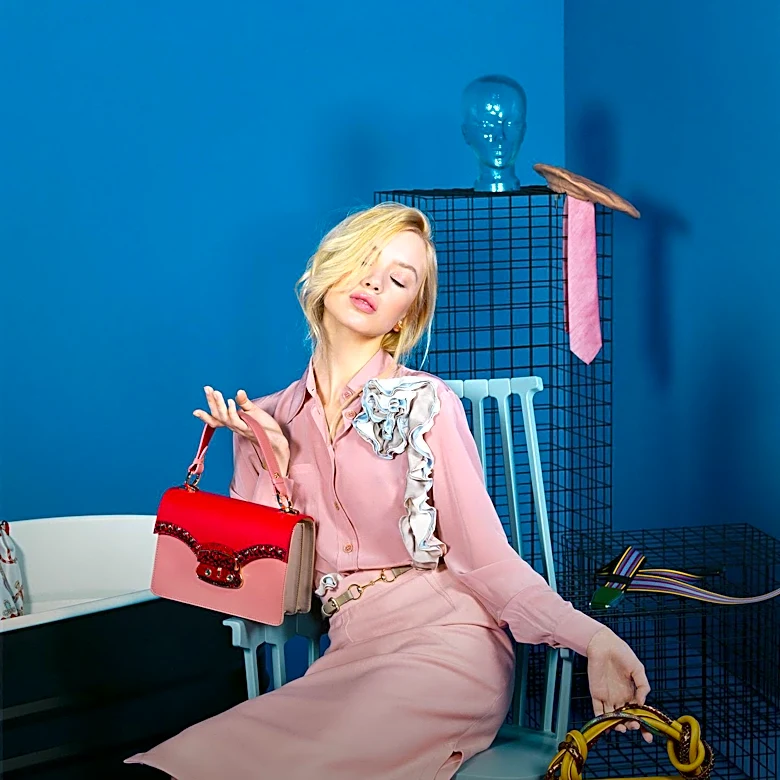
wool turtlenecks. These pieces sit close to the body without adding bulk, creating a smooth canvas. Subsequent layers should also be lightweight. A silk blouse under a fine-knit cardigan or a linen duster coat over a simple t-shirt and jeans adds visual interest and structure without weighing you down. Mixing these different textures—like smooth silk under soft wool—is what gives the outfit its sophisticated depth.
Embrace a Monochromatic Palette
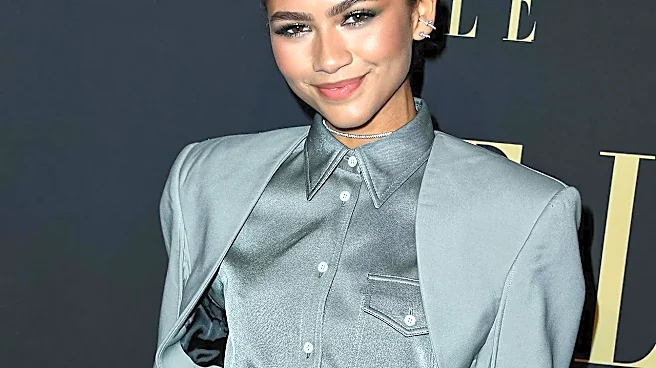
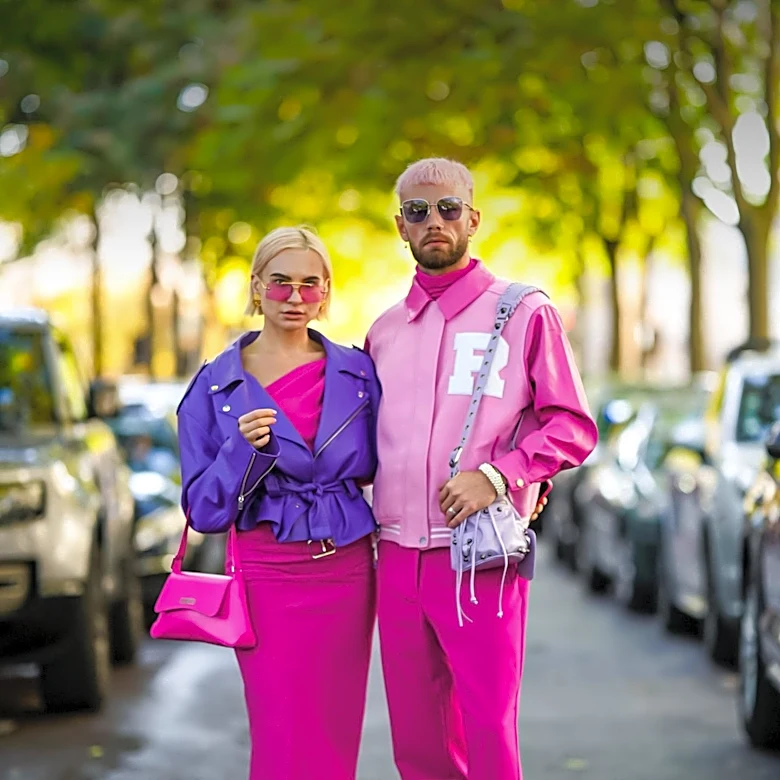
Dressing in a single color, or varying shades of it, is one of the most effective ways to look instantly streamlined. A monochromatic outfit creates an unbroken vertical line, which helps the eye travel smoothly from top to bottom, making you appear taller and leaner. This works even with multiple layers. Imagine a pair of charcoal trousers, a slate-gray top, and a light-gray blazer. Despite being three separate pieces, the consistent color story unites them into a single, cohesive look. To keep it from looking flat, play with different textures within your chosen color. A chunky knit sweater paired with silk pants in the same hue, for example, feels rich and intentional.
Use a 'Third Piece' to Create Lines
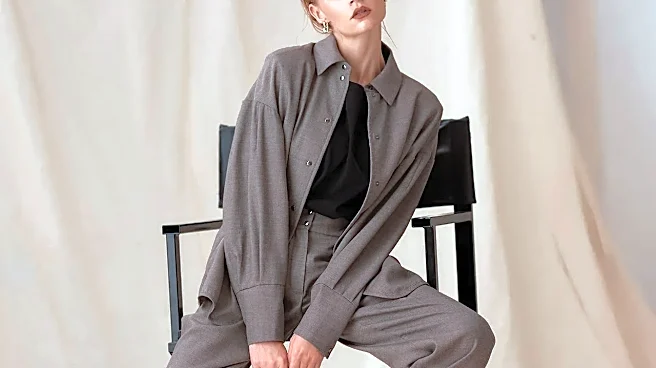
Stylists often talk about the "third-piece rule," which is the secret to making an outfit look complete and intentional. Your top is the first piece, your bottom is the second, and the third is a layering item like a blazer, vest, cardigan, or open jacket. This third piece is where the magic happens for creating a lighter look. An open, long-line layer like a trench coat or a duster creates two strong vertical lines down the front of your body, which has a powerful elongating and slimming effect. This visual trick draws the eye inward and upward, breaking up the width of the torso and making the entire silhouette appear narrower.
Master the Art of Proportion
Layering successfully is all about balancing proportions. If you're wearing something voluminous on top, keep the bottom half slim, and vice versa. For example, pair an oversized blazer with fitted trousers or slim-cut jeans to maintain a defined shape. Don't let your figure get lost under too many loose items. A simple belt can be transformative; cinching it at your natural waist over a dress and cardigan or even a blazer instantly adds structure and defines your silhouette, preventing the layers from looking shapeless. A half-tuck of a sweater into your pants can achieve a similar effect, signaling where your waist is without adding constriction.
Strategically Show a Little Skin
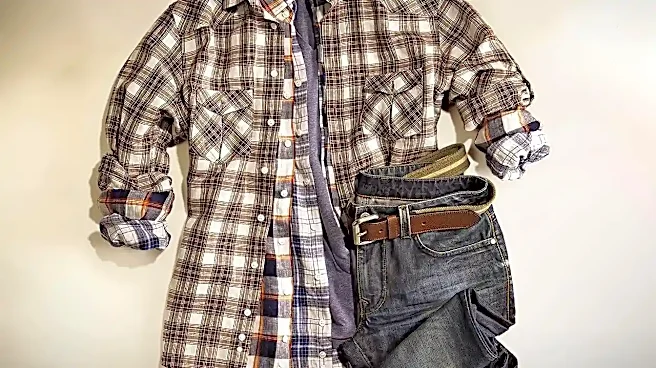
Even when you're layering up, allowing small glimpses of skin can make the entire outfit feel lighter and more relaxed. It breaks up the visual weight of the fabric and adds a sense of airiness. Simple gestures like rolling up your jacket sleeves to reveal your forearms, leaving a button-down shirt open at the collar to show your clavicle, or choosing pants that are cropped to expose the ankle can make a significant difference. These small details prevent a layered look from feeling heavy or stuffy, ensuring the final effect is one of effortless style rather than bundled-up necessity.