





An Anchor of British Identity
First, you have to understand that knitwear is baked into the British identity. It’s the practical response to notoriously damp and dreary weather, the cozy armor of fishermen on the North Sea, and the uniform of the countryside weekend. It represents
heritage, comfort, and a certain stoicism. But in the hands of London’s designers, this familiar foundation becomes a launchpad for something far more complex. They aren’t just making warm clothes; they are dissecting a cultural artifact. Where another city’s fashion week might treat a cable-knit as a simple layering piece, in London, it’s the main event—a garment loaded with history, ready to be celebrated, subverted, or completely torn apart.
The Avant-Garde Traditionalists
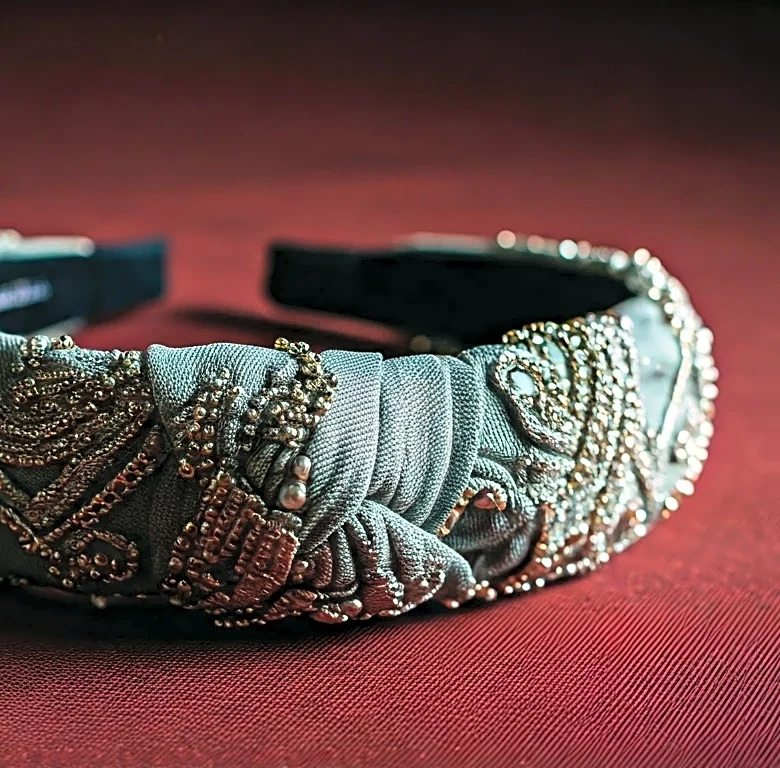
The first part of London's knitwear formula is a deep, almost academic respect for tradition, immediately followed by a playful urge to mess with it. Take JW Anderson, a master of this game. He can present a seemingly classic Aran sweater, but upon closer inspection, the proportions are warped, the texture is odd, or it's styled in a way that feels surreal and challenging. He understands the rules of classic knitwear so well that he knows exactly how to break them for maximum impact. Similarly, designers like Simone Rocha and Erdem Moralioglu infuse their knits with a haunting romanticism. They might embellish a simple cardigan with pearls and delicate embroidery, turning a utilitarian garment into a piece of wearable art that feels like a forgotten heirloom from a gothic novel. It's heritage, but viewed through a strange, beautiful, and slightly distorted lens.
Deconstruction and Raw Energy
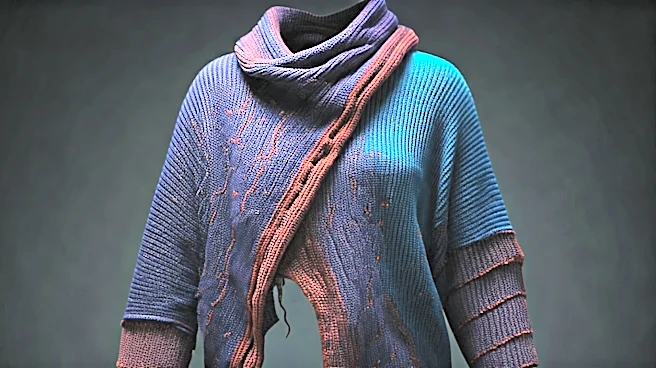
If one side of the formula is about twisting tradition, the other is about blowing it up entirely. This is where London’s punk legacy comes roaring to the surface. For decades, British subcultures have used knitwear as a medium for rebellion—think of ripped and safety-pinned sweaters from the 1970s. Today’s designers are continuing that legacy with more sophisticated techniques. Stefan Cooke, for instance, has become famous for his intricate cut-out knits, creating delicate, web-like patterns on jumpers that feel both fragile and aggressive. Others experiment with unraveling, inside-out construction, and asymmetry. This isn't about making something pretty; it's about channeling a raw, visceral energy. It speaks to a desire to expose the inner workings of a garment, to show the effort and the potential for imperfection. It’s a confident, unapologetic approach that feels uniquely London.
The New Intellectual Craft
The final ingredient in the formula is a forward-looking intellectualism. London’s design schools, like the prestigious Central Saint Martins, encourage students to think conceptually and push materials to their limits. This results in a generation of designers who approach knitwear with an engineer’s mind and an artist’s soul. They are experimenting with innovative, sustainable yarns, using digital knitting technology to create seamless, sculptural forms, and reviving forgotten craft techniques in a modern context. Designers like S.S. Daley weave entire narratives into their collections, with a single knitted vest telling a story of class, history, and British identity. This isn't just clothing; it’s a form of storytelling. The focus is less on fleeting trends and more on creating thoughtful, enduring pieces that make you think. This commitment to craft and concept ensures that the knitwear conversation in London is always moving forward.