

The Cradle of Creativity
You can't talk about London's experimental edge without talking about its world-famous art schools. Institutions like Central Saint Martins and the London College of Fashion are legendary for producing designers who think differently. Alumni include transformative
figures like Alexander McQueen and John Galliano, whose early work shocked audiences and redefined fashion. These schools don't just teach students how to sew; they teach them how to think, question, and provoke. The annual Central Saint Martins MA show is a highlight of London Fashion Week, celebrated for its raw energy and for giving designers total freedom to be true to themselves before the pressures of a client base set in. The result is a constant injection of talent into the city's bloodstream, with graduates encouraged to treat fashion as an art form, a tool for storytelling, and a vehicle for cultural commentary.
Freedom From the Sales Floor
Compared to the commercial behemoths of Paris and Milan, which are dominated by legacy luxury houses, London offers a different kind of ecosystem. It has historically been a place where young designers can make a name for themselves without needing a massive budget. This relative freedom from intense commercial pressure allows for more risk-taking. Designers aren't just creating another wearable blazer; they're exploring ideas about identity, gender, and art. The British Fashion Council’s NEWGEN initiative, for example, actively supports emerging talent, giving them a platform and resources. This season, the program highlighted designers like Francesca Lake, who uses clothing to explore cultural memory, and Petra Fagerström, known for her experimental textiles. This focus on nurturing the new, rather than just servicing the old, ensures London remains a laboratory for ideas that might be deemed too strange or uncommercial elsewhere.
A Legacy of British Rebellion
London's penchant for provocative style is deeply rooted in its cultural history. From the aristocratic dandies of the 18th century to the mods of the 1960s, British style has always had a rebellious streak. Nowhere is this more obvious than in the legacy of punk. In the 1970s, designers like Vivienne Westwood and Malcolm McLaren used their London boutique, SEX, to pioneer an anti-fashion aesthetic with ripped fabrics, safety pins, and provocative slogans. This was a deliberate attempt to subvert mainstream tastes and challenge the social and political status quo. That DIY, anti-establishment spirit has never really left. It lives on in the city's vibrant street style and the work of designers who embrace clashing prints, deconstructed silhouettes, and a general sense of irreverence. London's fashion identity is a conversation between Savile Row's pristine tailoring and the anarchic energy of its subcultures.
Good Taste is Overrated
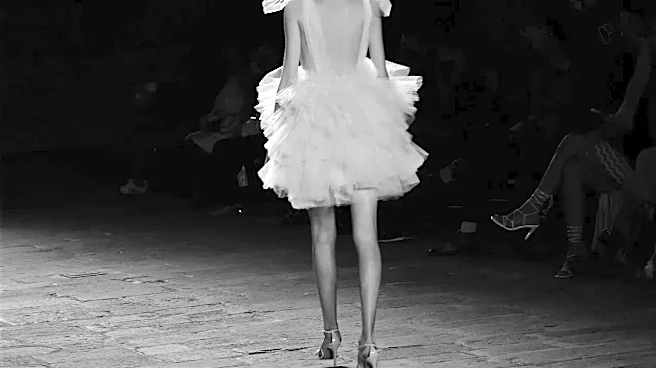
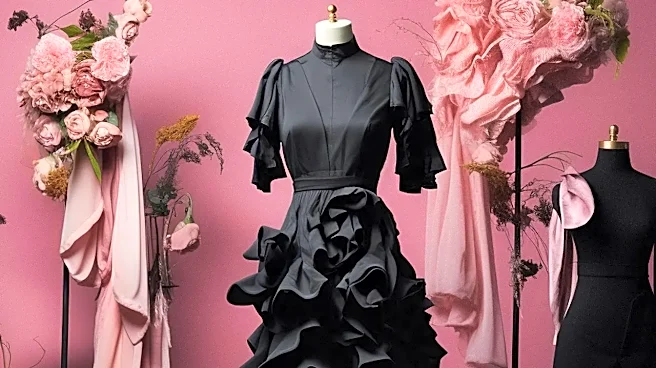
So, what does this 'bad taste' look like on the runway today? At the recent September 2026 shows, it was everywhere. Paolo Carzana presented collections with a deliberately raw and fragile quality, using handcrafted, plant-based textiles. Designers like Geordie Campbell are challenging traditional menswear by playing with queer identity and provocative slogan T-shirts. Even more established names like Simone Rocha continue to build on a language of subversion, pairing romantic, voluminous dresses with unexpected embellishments. It's this willingness to be a little bit 'off'—a little ugly, a little strange, a little challenging—that makes London so vital. It reminds us that fashion isn’t just about creating beautiful, sellable objects. It’s also about making people feel something, even if that feeling is slight discomfort.