





The Philosophy of 'Movie Dark'
First, forget 'real' darkness. True, absolute blackness is narratively useless in a visual medium. If you can't see anything, there's no story. Cinematographers don't eliminate light; they control it with extreme prejudice. The goal is to create 'movie
dark'—a visual language that feels like night but is actually a complex tapestry of subtle light, deep shadows, and intentional framing. This approach guides the audience's eye, builds suspense by hiding things just outside the visible space, and makes the eventual reveal that much more impactful. It's about shaping the absence of light as deliberately as you shape the light itself.
Motivated Lighting: The Anchor of Realism
The most powerful tool for selling a dark scene is 'motivated lighting'. This is the practice of ensuring every light source in the frame appears to come from a logical place within the world of the film. Think of the eerie glow from a refrigerator door, the nervous flicker of a candle, the cold blue light of a cell phone, or the sweep of headlights across a wall. By using and often exaggerating these 'practical' lights, a cinematographer grounds the darkness in reality. Even if the key light on an actor's face is actually a powerful film lamp just off-camera, it's positioned to look like it's coming from that desk lamp in the shot, making the entire scene feel more believable and immersive.
Turning Day into Night
Shooting at night is expensive, complicated, and often offers less control than filmmakers would like. Enter one of Hollywood's oldest tricks: 'day for night'. This technique involves shooting scenes during the day and using a combination of in-camera settings and post-production work to simulate nighttime. A cinematographer might use special filters to cut down the light and shift the color, intentionally underexpose the image, and avoid shooting the bright sky. In post-production, colorists will then crush the blacks, add a cool blue or gray tint, and precisely manage the contrast to complete the illusion. While modern cameras are more sensitive in low light, the control and cost-effectiveness of day-for-night shooting keeps it a staple in a filmmaker's toolkit.
The Power of Underexposure and Contrast
It might seem counterintuitive, but creating great darkness often involves intentionally starving the camera sensor of light. This is called underexposure. Rather than just getting a muddy, dark mess, skilled cinematographers use it to create rich, deep shadows that still hold a hint of detail. It’s a delicate balance; too much underexposure and you lose crucial information, but just enough creates a mood that feels tense and natural. This is often paired with high-contrast lighting. By making the bright parts of the image pop against the deep shadows, the frame gains depth and directs the viewer’s focus exactly where the storyteller wants it. This stark difference between light and dark is a hallmark of the horror and thriller genres.
Painting with Color
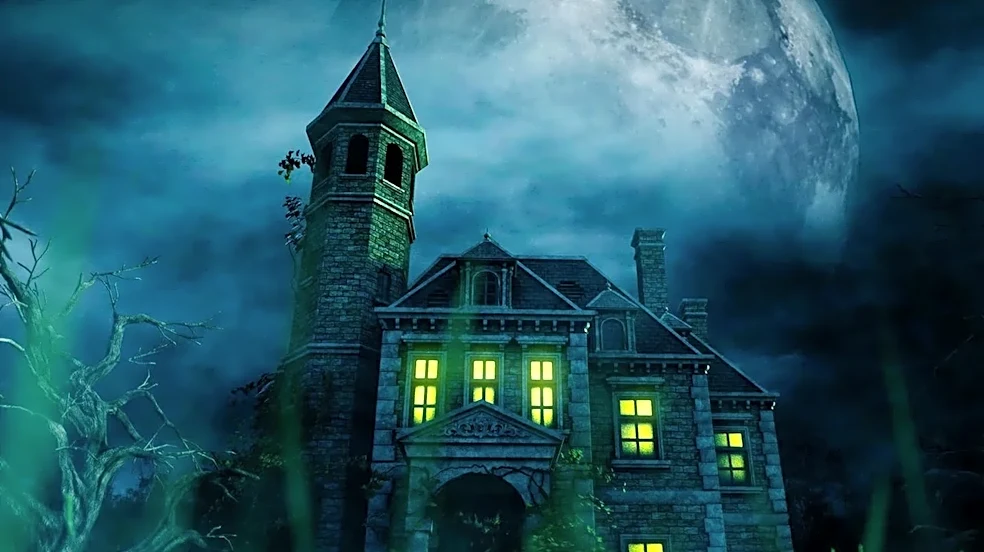
Darkness in film is rarely just black; it's a specific hue designed to evoke an emotional response. Through a process called color grading, filmmakers give their nighttime scenes a distinct personality. Cool blues and sterile greens are often used to create a sense of dread, alienation, or supernatural coldness. Think of the sickly green tint in many found-footage horror films or the deep, moody blues of a modern gothic tale. A sudden, jarring splash of a warm color, like a saturated red, can signal immediate danger or violence. This careful manipulation of color ensures that even the darkest corners of the frame are telling the audience how to feel, turning a simple shadow into a canvas for fear.