





A Cultural Pilgrimage, Not Just a Concert
To understand the intensity of the lineup debate, you first have to understand that Essence Fest is not just another music festival. Since its inception in 1995 as a 25th-anniversary celebration for Essence magazine, it has become the largest celebration of Black
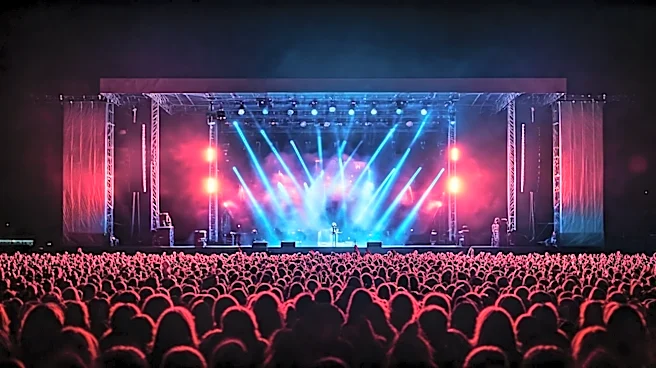
culture and music in the United States. [8] Often called “the party with a purpose,” it’s an annual cultural pilgrimage for hundreds of thousands, particularly Black women, who flock to New Orleans for a weekend of empowerment, community, and celebration. [2, 14] The event is a multi-faceted experience, with free daytime programming at the convention center featuring panels on wellness, business, and social issues, alongside the star-studded evening concerts at the Caesars Superdome. [3, 10] This deep cultural significance means attendees aren't just buying a ticket to see a show; they're investing in a cherished institution.
The Lineup as a Generational Statement
The roster of performers is seen as a direct reflection of the festival's identity and its commitment to its audience. Fans scrutinize the list to see who is being honored, who is being introduced, and what the overall message is. Is there a proper balance between legacy acts who built the foundation of R&B and soul, and the contemporary stars driving the culture forward? For 2026, the initial announcement celebrated women, featuring artists from the legendary Patti LaBelle to current chart-toppers like Cardi B and Latto in their festival debuts. [1, 20] The lineup also includes a highly anticipated performance by Brandy and Monica, tapping into powerful '90s R&B nostalgia. [19] These choices are interpreted as a statement on the festival's direction. A lineup that leans too heavily on nostalgia might alienate younger fans, while one that ignores legends could be seen as disrespecting the festival's roots. Every fan, therefore, becomes a critic, weighing in on whether Essence has curated the right mix to represent the full, dynamic spectrum of Black music.
The 'Box-Office' Math of a Destination Festival
Here’s where the “box-office forecast” analogy really clicks. Essence Fest is a destination event, meaning most attendees travel from out of state, incurring costs for flights, hotels, and food on top of the ticket price. [10] Like a moviegoer deciding if a film is worth the price of admission, potential Essence attendees do a cost-benefit analysis. Is this year's lineup worth the multi-day investment? The collective online debate serves as a public temperature check. A wave of excitement can signal a successful year, prompting people to book their trips. Widespread disappointment, however, can translate into real economic consequences, not just for the festival but for the city of New Orleans, which sees a significant economic impact from the event. [10] Fans debate the drawing power of each headliner, calculating who can fill a stadium and whether the undercard is strong enough to justify the expense. It’s a grassroots version of industry tracking, focused on cultural ROI (Return on Investment).
Every Fan Is Now a Pundit
Social media has democratized punditry. Platforms like X (formerly Twitter), Instagram, and TikTok provide a global stage for instant reactions. The moment the lineup drops, feeds are flooded with hot takes, detailed analyses, and passionate arguments. This digital discourse transforms every fan into a festival analyst. [13] They aren't just passively receiving information; they are actively shaping the narrative around the event's potential success or failure. This collective voice is powerful. It can build immense hype or create a cloud of doubt months before the first note is played. This public vetting process is intense because the fans feel a sense of ownership. The festival is a space created for and by their community, and the lineup is the annual promise of what that space will deliver. [2] The debates are a testament to how deeply they care about seeing it succeed.