




1. The Iconic, Minimalist Theme
You hear that simple, repetitive piano melody in 5/4 time, and you know he’s coming. John Carpenter’s theme for 'Halloween' is legendary for a reason. Composed in just a few days on a synthesizer because the film couldn't afford a full orchestra, its
genius lies in its simplicity. The insistent, looping rhythm creates a sense of inescapable doom. It’s not just background music; it’s Michael Myers’s sonic signature. The theme doesn’t just signal his presence—it becomes an extension of his relentless, unstoppable nature, turning a simple tune into a Pavlovian trigger for fear.
2. The Power of Absolute Silence
Just as powerful as a terrifying score is the complete absence of sound. Slashers masterfully use silence to heighten tension and put the audience on high alert. Before a jump scare, the ambient noise often drops away completely. This sudden quiet makes viewers lean in, their senses straining to find the threat they know is coming. In 'Halloween', this technique is used to create an eerie stillness right before Michael appears, making the eventual shock more potent. The silence resets our ears, ensuring the next sound—a footstep, a crash, a scream—lands with maximum impact.
3. Weaponizing Everyday Sounds
In a great slasher, the entire world is a potential threat, and the sound mix reflects that. This is called diegetic sound—noises that exist within the film's world, like footsteps, ringing phones, or creaking doors. Sound designers turn these ordinary noises into instruments of terror. The rustle of leaves outside a window isn't just wind; it’s a predator. The heavy, rhythmic sound of footsteps on a wooden staircase signifies the killer's methodical approach. By making the mundane menacing, the film suggests that there is no safe space.
4. The Unsettling Killer's 'Voice'
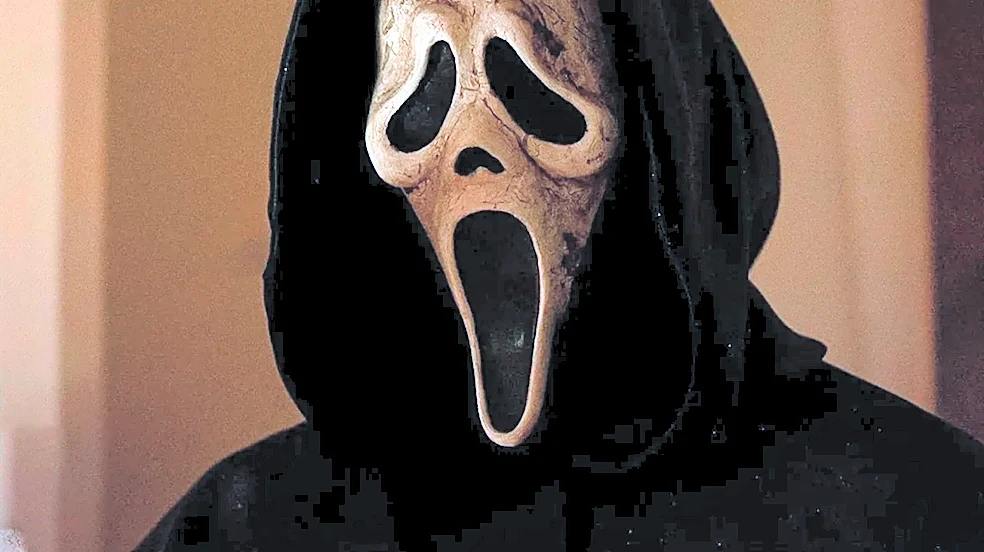
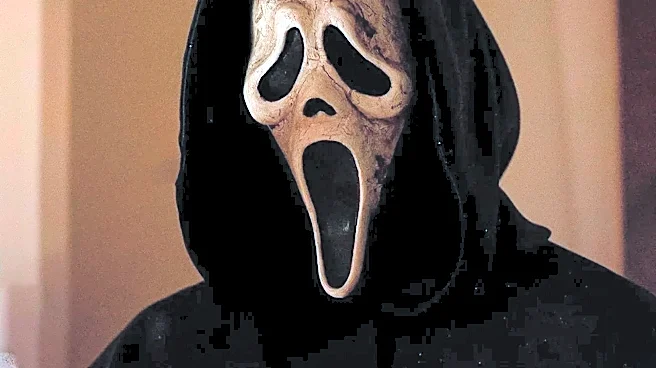
Many of the most iconic slashers are defined by their unique, non-verbal sounds. For Michael Myers, it’s the hollow, amplified sound of his breathing from behind the mask. It’s an unnatural, constant reminder of his presence, even when he's off-screen. This technique gives the killer a sonic identity that’s as recognizable as their weapon or mask. Think of the distorted voice of Ghostface in 'Scream'. These sounds are effective because they're abnormal and slightly inhuman, exploiting our natural aversion to distressing or unnatural vocal noises.
5. Low-Frequency Unease
Sometimes the most threatening sound is one you feel more than you hear. Horror films often use very low-frequency rumbles and drones to create a physical sense of anxiety and dread. This technique sometimes employs infrasound, which is sound below the range of normal human hearing but has been linked to feelings of unease and chills. This constant, subtle pressure works on a primal level, activating the brain's threat-detection centers without the audience even realizing it. It’s a gut-level feeling that something is deeply wrong, long before the killer appears.
6. The Classic Jump-Scare 'Stinger'
The jump scare is a slasher staple, and its effectiveness hinges on a sharp, sudden burst of sound called a 'stinger'. It’s often a dissonant blast of orchestral strings—a technique made famous by 'Psycho'—or a loud, crashing sound effect. Sound designers make these hits land with a rapid 'attack', meaning they reach peak volume almost instantly, triggering a physical startle reflex before our brains can even process the image on screen. The trick is contrast: a perfectly timed stinger after a moment of manufactured quiet is what makes you jump out of your seat.
7. Misleading Audio Cues
Masterful sound mixing plays games with the audience's perception of space. A sound designer might place a creaking noise in the left audio channel, drawing the viewer's attention to that side of the screen. We instinctively look for the source, our guard down for what's happening on the right. This is sonic misdirection. The killer then appears from the opposite side, making the scare more effective because we were tricked into looking the wrong way. It’s a clever manipulation that uses our own instincts against us, reinforcing the idea that the threat is smarter and always one step ahead.