





It All Starts in the Writers' Room
Long before any pumpkins are carved, a team of writers gathers to map out an entire season of television. For a traditional network show that premieres in the fall, this process begins in late spring or early summer. The writers' room is where the season's
major storylines are plotted, but it's also where individual episode ideas, like a Halloween special, are born. They have to decide not just what happens in the episode, but how it fits into the larger narrative. This planning phase ensures that scripts are ready well before cameras need to roll. A single script can take weeks to outline, write, and polish before it’s considered final.
The Mad Dash of Pre-Production
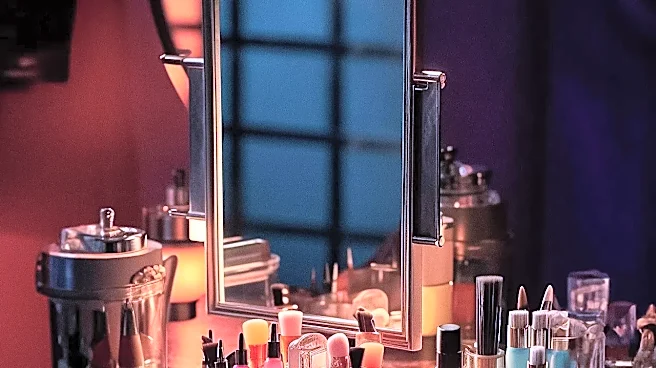
Once a script is approved, the show enters pre-production, a frantic period of planning that can last anywhere from a few weeks to a couple of months. This is where the episode is brought to life on paper. The director and producers break down the script scene by scene to create a detailed shooting schedule. For a Halloween episode, this stage is particularly complex. The team has to scout locations that look like autumn, even in July. The art department designs and builds spooky sets, while the costume department sources or creates everything from monster costumes to perfectly coordinated group outfits. Guest stars need to be cast and props, like 100 fake bats or a specific type of fog machine, must be procured. Every single detail is meticulously planned to avoid costly delays during filming.
Filming Fall in the Summer Heat
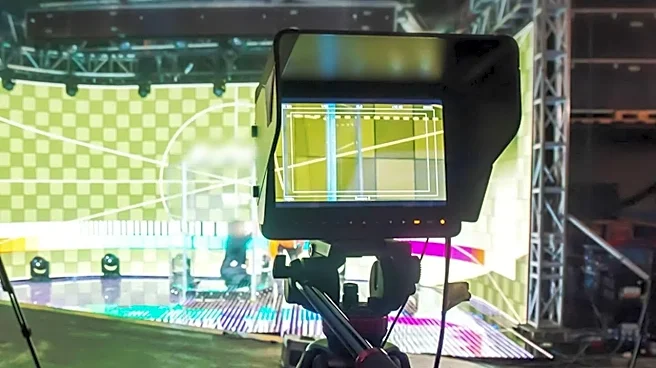
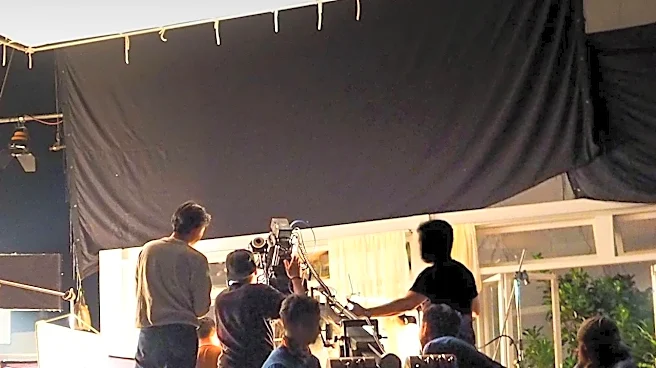
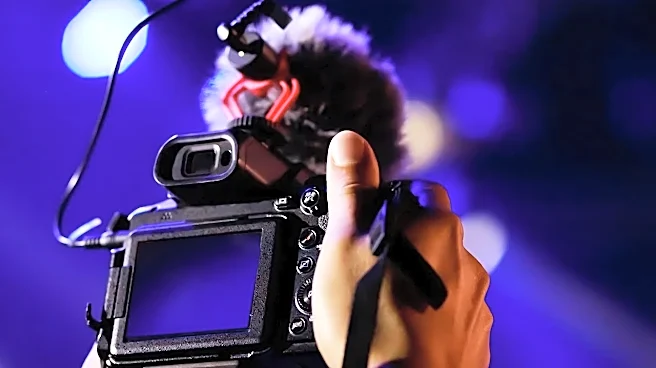
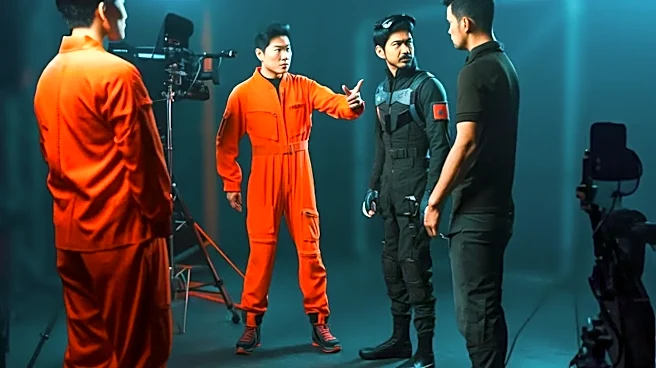
Principal photography, or the actual filming of the episode, is one of the shortest but most intense phases. A one-hour drama episode typically takes about seven to eight days to shoot. For holiday episodes, this often means actors are bundled up in sweaters and jackets in the middle of a sweltering summer. Crews become experts at faking the season. They use fake snow (often made of paper or special polymers), spray-paint leaves on trees to get the right autumnal hue, and rely on lighting to create a cool, fall atmosphere. It’s a classic bit of television magic: creating a convincing winter wonderland or a spooky Halloween night when it’s 90 degrees outside.
The Magic of Post-Production
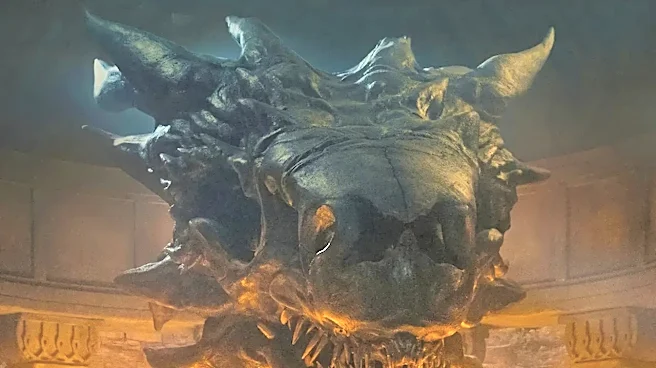
Shooting might be done, but the episode is far from finished. It now enters post-production, a process that can take several weeks. This is where editors assemble all the footage into a coherent story. Visual effects (VFX) artists add in ghosts, goblins, or any supernatural elements the script calls for. Sound designers layer in everything from creaking doors to spooky music, and a composer scores the episode to heighten the mood. Finally, a colorist grades the footage, giving it that signature crisp, shadowy look associated with Halloween. Each of these steps is a detailed craft that transforms raw footage into a polished final product.
Delivering to the Network
The entire process, from writing to final delivery, means a Halloween episode airing in October was likely finished by late August or early September at the latest. Networks need the final cut well in advance for several reasons. Their marketing teams need time to create trailers, promotional photos, and social media campaigns to build buzz. The episode also has to go through quality control and be prepared for broadcast or streaming distribution. This long lead time is a fundamental part of the television production machine, ensuring that when you settle on your couch for a spooky night in, the show is perfectly, and punctually, ready for you.