



Big Ideas, Simple Pitches
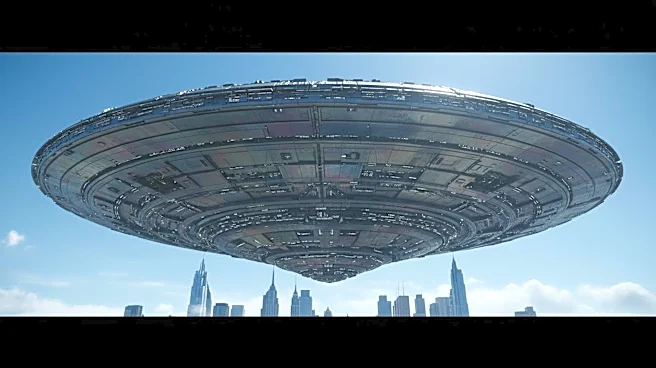
The genius of the '90s blockbuster was its high-concept hook, an idea so clean you could explain it in a single breath. What's Speed? It's "Die Hard on a bus." What's Jurassic Park? "Scientists clone dinosaurs, and it goes wrong." What's Independence
Day? "Aliens attack, and humanity fights back." These weren't convoluted stories requiring a deep dive into lore; they were thrilling scenarios. This simplicity was a strength, allowing filmmakers to focus on execution, character, and pure adrenaline. Modern blockbusters, often built on sprawling cinematic universes, can sometimes feel like homework, demanding that you've seen a dozen other films to understand the stakes. The '90s movie just needed you to show up, sit down, and hold on tight.
Explosions With Real Weight
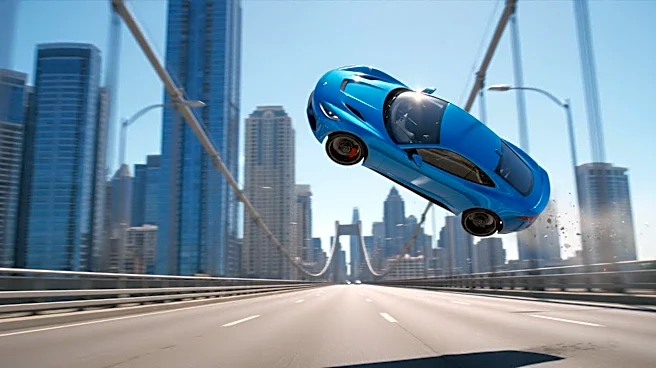
Before computer-generated imagery dominated every frame, spectacle had a tangible, physical quality. The action in the '90s felt raw and grounded because, for the most part, it was. Filmmakers relied on practical effects: real car flips, massive miniature sets for destruction, and stunt performers taking genuine risks. When the White House blew up in Independence Day, it was a detailed model being detonated. While '90s films like Terminator 2: Judgment Day and Jurassic Park were pioneers in CGI, they used it judiciously, blending it with groundbreaking practical animatronics. This hybrid approach gave the impossible a sense of reality. Today, while CGI can create anything, audiences can often sense the digital weightlessness, a stark contrast to the visceral, heavy-metal crunch of a '90s action sequence.
Charisma Was the Superpower
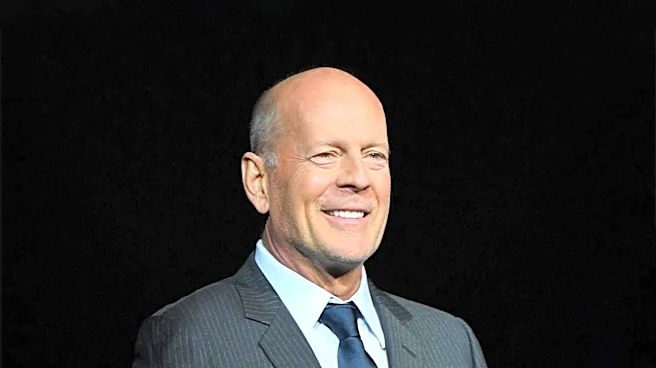
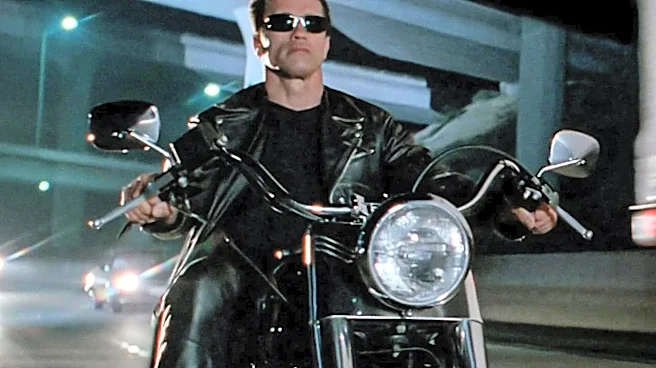
In the '90s, the star was the franchise. Arnold Schwarzenegger, Bruce Willis, Will Smith, and Keanu Reeves didn't need a super-suit to be larger than life; their personality was the main event. They played characters who were often regular people—cops, scientists, pilots—thrust into extraordinary circumstances, armed with little more than grit and a handful of memorable one-liners. Their charisma and commanding screen presence were the anchor. Audiences showed up for them. Today, the intellectual property is often the main draw. The hero's costume or the cinematic universe they inhabit can be more important than the actor inside, creating a different dynamic between the audience and the on-screen hero.
The Power of a Single Story
Most '90s summer blockbusters were built to be a complete and satisfying experience in one sitting. Sequels happened, of course—Die Hard with a Vengeance followed Die Hard 2—but they weren't the automatic default. Each film had to stand on its own two feet, delivering a thrilling beginning, a tense middle, and a cathartic end. There was no pressure to save the biggest moments for a post-credits scene or to spend a third of the runtime setting up the next installment. This self-contained structure allowed for a tighter, more focused narrative. It respected the audience's time and investment, delivering a full meal of entertainment rather than just an appetizer for a story that would continue two years later.