



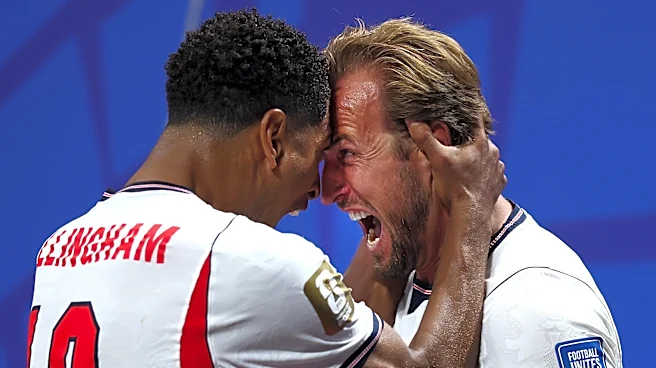


A Win Forged in Fire
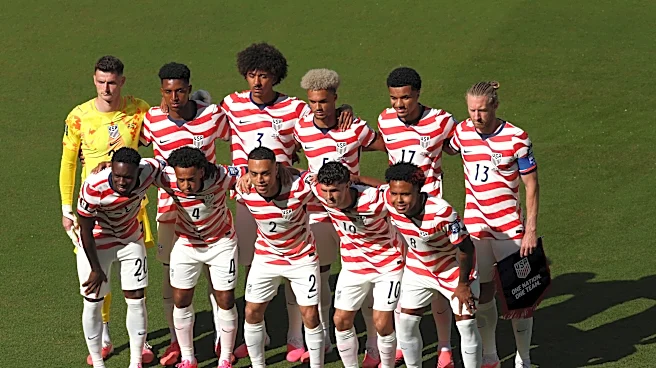
Look no further than the U.S. Men’s National Team’s recent knockout victory in the 2026 World Cup. It wasn’t just a win; it was a drama in three acts. Playing against a resilient Bosnia and Herzegovina side, the Americans secured a 2-0 victory to advance
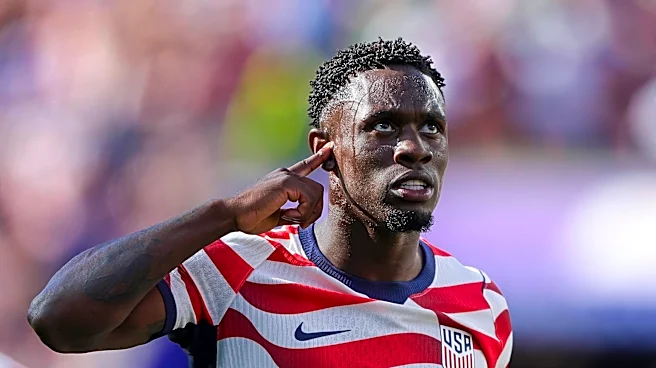
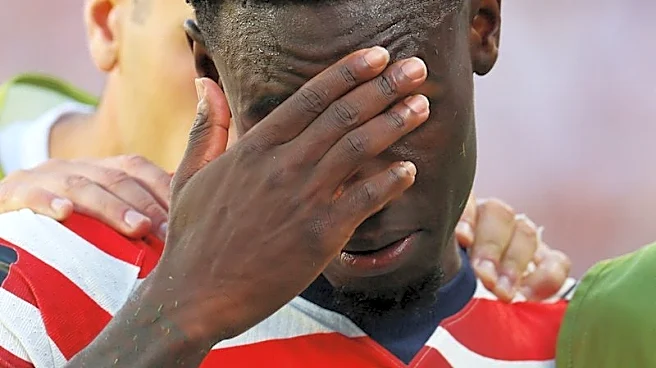
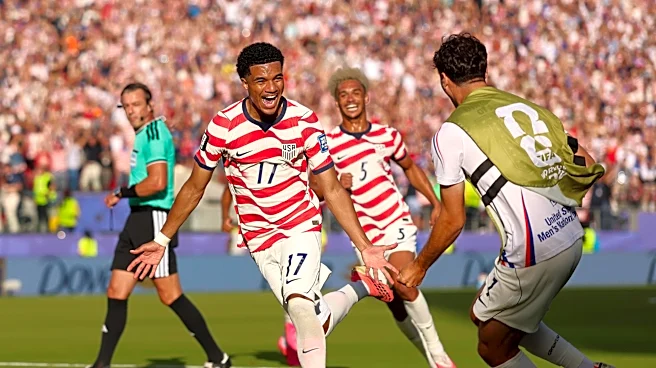
to the Round of 16 for the first time since 2002. But the scoreline doesn’t tell half the story. After Folarin Balogun scored the opener, he was later sent off with a red card, forcing the U.S. to play with only 10 men for a significant portion of the match. Instead of crumbling under the pressure, they dug in, held their ground, and even found a second goal—a spectacular free kick from Malik Tillman—to seal the deal. This wasn't a routine victory. It was a gritty, character-defining performance that gave the nation a story to rally behind.
The Sound of a Nation Believing
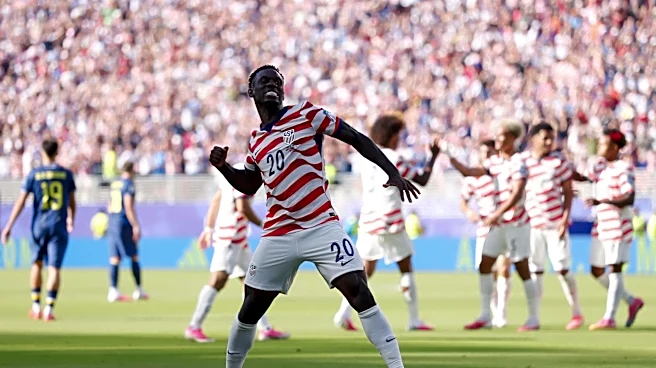
And rally they did. In the minutes after the final whistle, a palpable shift occurred. The low hum of cautious optimism that surrounds American soccer gave way to an explosion of genuine, unadulterated joy. Fan zones from California to Texas, which had been tense seas of red, white, and blue, erupted in celebration. Strangers hugged, chants of "U-S-A!" echoed through city streets, and social media lit up with a unified sense of pride. For a moment, the country wasn't a fractured collection of 330 million individuals; it was a single, unified team celebrating a shared success. This is the unique power of a World Cup run on home turf—it creates temporary, beautiful moments of unity, turning a simple sporting event into a nationwide cultural festival.
The Host Nation Phenomenon
What we're seeing is a classic case of the "host nation effect." It’s a well-documented phenomenon in international soccer where hosting the tournament provides a tangible, often unquantifiable, boost. Freed from the wear and tear of international travel and powered by the energy of their home crowds, host teams frequently overperform. Think of South Korea’s fairytale run to the semifinals in 2002 or Russia defying all expectations to reach the quarterfinals in 2018. Familiarity with the climate, the stadiums, and the unwavering support of an entire country creates a powerful psychological advantage. It transforms pressure into fuel. Players often talk about feeling an extra surge of adrenaline, and that energy can be the difference-maker in a tight match.
From Host to Contender
A win like this does more than just advance the team to the next round. It fundamentally changes the narrative. The U.S. is no longer just a gracious host for the world’s biggest sporting event; it is now an active and dangerous participant. The conversation shifts from logistics and tourism to tactics and belief. Suddenly, casual sports fans who might have only tuned in out of patriotic obligation are genuinely invested. They know the players' names, they understand the stakes against Belgium in the next round, and they are rearranging their schedules to watch. This single victory has pulled millions of Americans deeper into the tournament's orbit, transforming them from spectators into true supporters.