
Defining the ‘Quiet Luxury’ Uniform
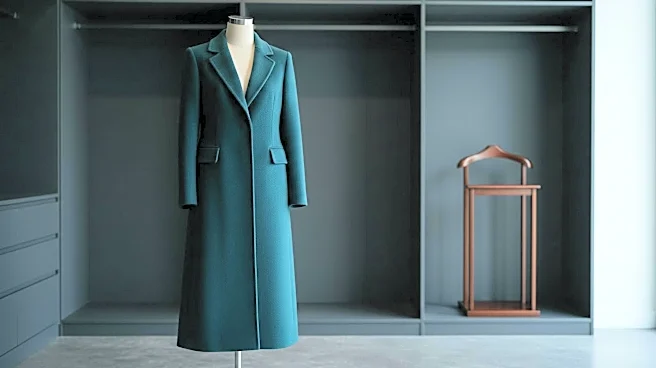
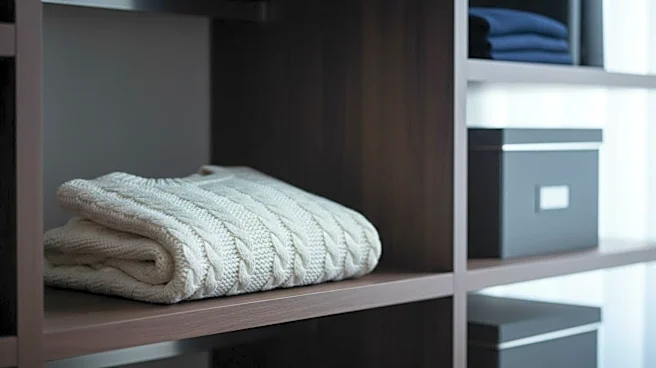
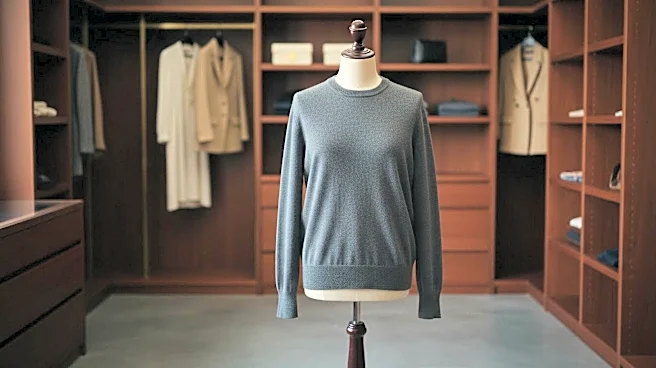
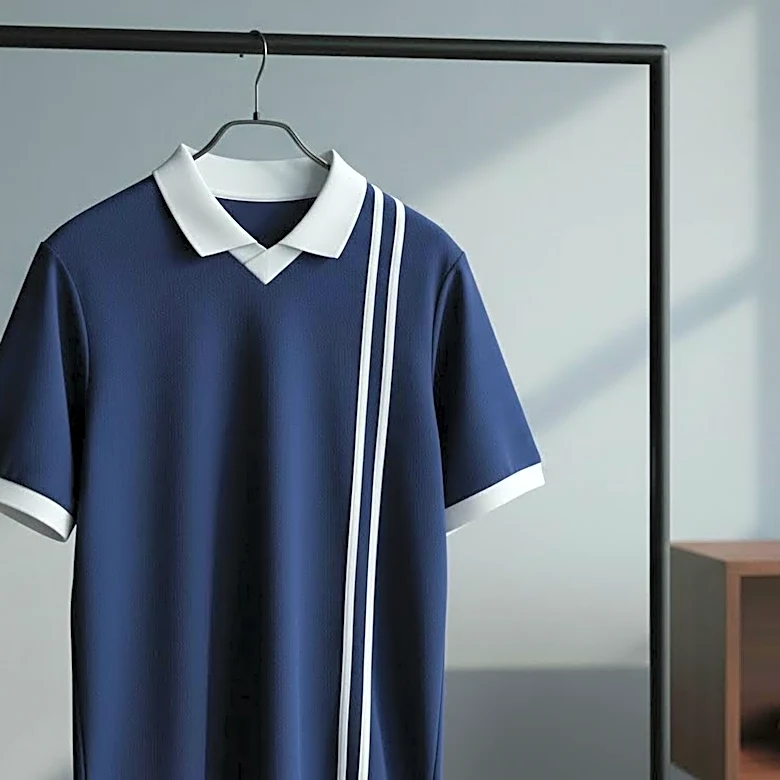
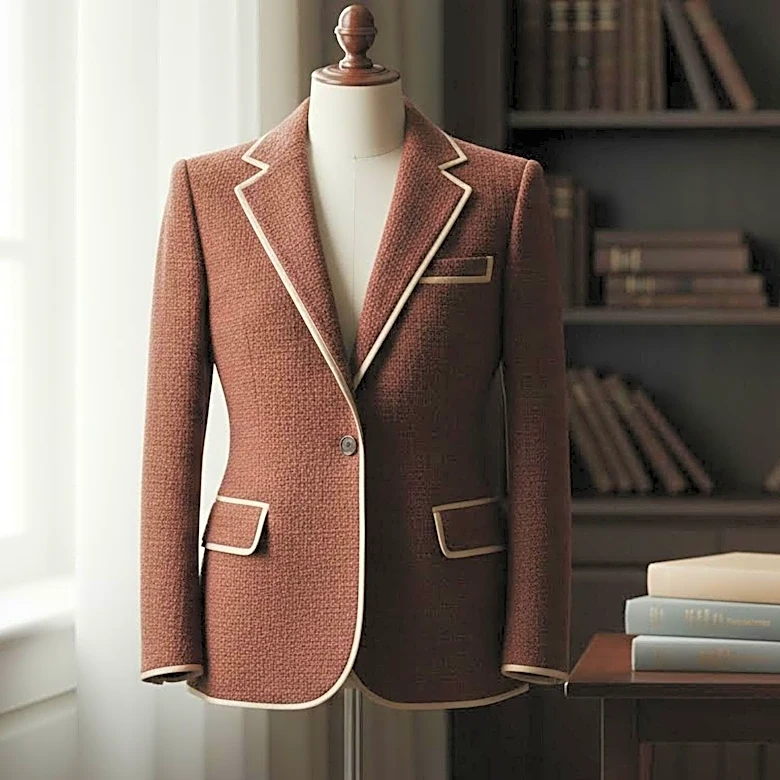
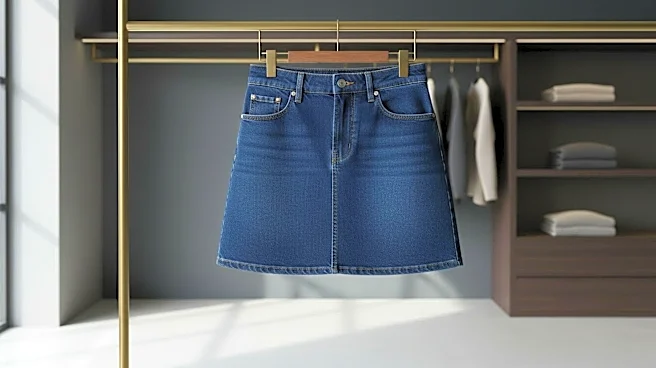
First, let's define the trend. Often called “quiet luxury,” the Old Money aesthetic is less about specific items and more about a philosophy. It whispers wealth instead of shouting it. Think impeccably tailored trousers, cashmere sweaters in neutral shades
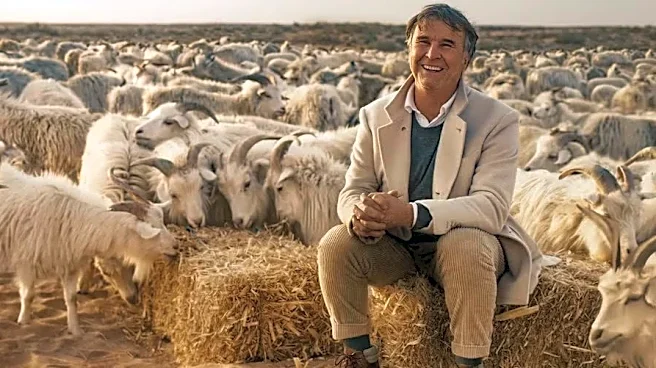
like beige and navy, and classic leather goods without a single visible logo. The value isn’t in the brand name plastered across the chest, but in the quality of the fabric, the precision of the stitching, and the timelessness of the silhouette.. Brands like The Row, Loro Piana, and Brunello Cucinelli are the standard-bearers, but the look is more about an inherited sense of style than a shopping spree.. It’s an intentional choice to invest in pieces that will look just as good in ten years as they do today, signaling a confidence that doesn't require overt validation..
Rewind to the Decade of 'More'
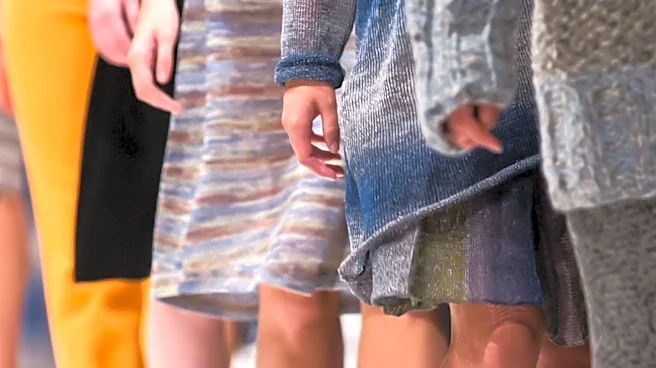
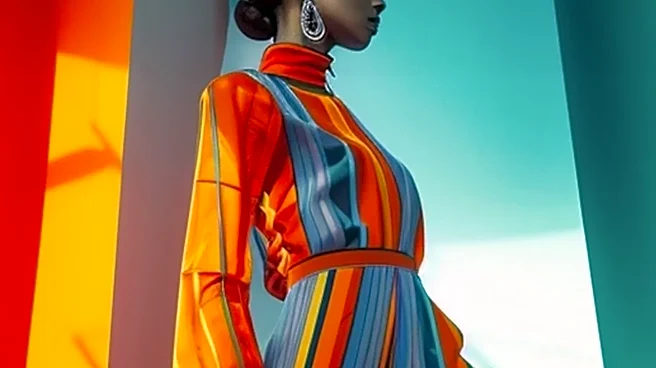
To understand where this quietude came from, we have to remember what came just before it: the 2010s. That decade was the absolute opposite of subtle. It was the era of logomania, where luxury was measured by the size and recognizability of the emblem on your belt, bag, or t-shirt.. Streetwear's fusion with high fashion brought us hype-driven drops from brands like Supreme and Off-White, where the logo was the product.. Fashion was loud, fueled by influencer culture, fast-fashion hauls, and a maximalist ethos. Chunky “dad” sneakers, neon colors, and bold, look-at-me patterns dominated.. It was a visual feast, but also a relentless cycle of consumption that prized newness and visibility above all else, creating an environment of constant sartorial noise.
The Inevitable Fashion Whiplash
After years of shouting, a whisper can feel powerful. The shift to Old Money aesthetics is a classic case of cultural fatigue. The pendulum, having swung so far into the territory of maximalism and conspicuous branding, was bound to swing back.. Observers call it a much-needed “palate cleanser.”. The move toward quiet luxury represents a rejection of the visual clutter and trend-chasing of the 2010s. It reflects a changing set of values, perhaps accelerated by the introspection of the pandemic, prioritizing longevity and substance over fleeting hype.. It suggests that for a new generation of consumers, the ultimate flex isn't showing everyone what brand you’re wearing, but cultivating a style so assured it doesn't need to announce itself at all..
A Cycle as Old as Style Itself
This pendulum swing is not a new phenomenon; it’s a foundational principle of fashion history. As one exhibition from the Fashion Institute of Technology noted, for every action in fashion, there is an equal and opposite reaction.. The stark, edgy minimalism of the 1990s was a direct response to the extravagant, shoulder-padded excess of the 1980s.. The flapper-era freedom of the 1920s followed the rigid corsetry of the Victorian age. In every era, fashion oscillates between periods of restraint and exuberance, simplicity and decoration. The current obsession with the Old Money aesthetic is simply the latest chapter in this ongoing story, a collective sigh of relief after a decade-long party.