




The Psychology of Waiting
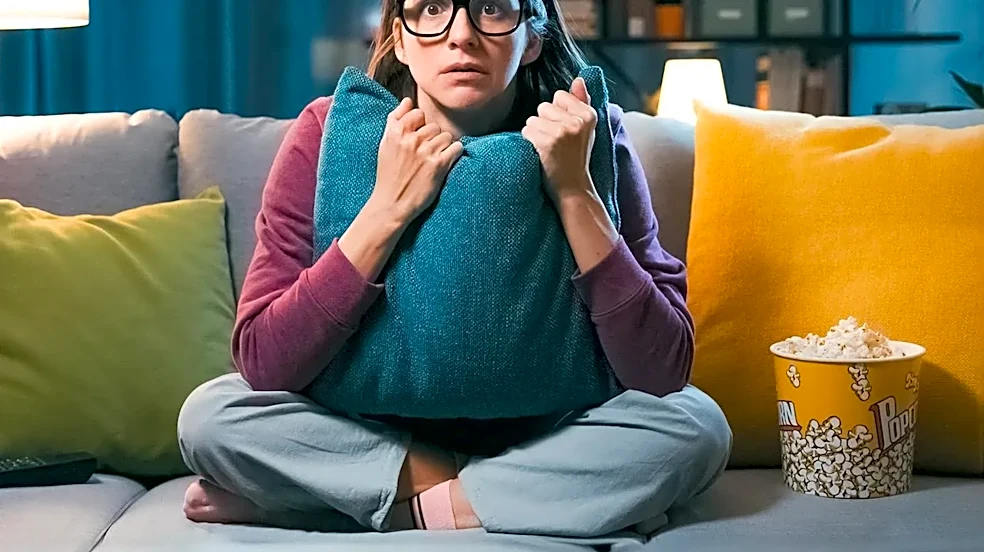
That agonizing moment of silence before a jump scare isn't just an absence of noise; it's a weapon. Psychologically, our brains are pattern-recognition machines. We get used to the rhythm of a film—the background music, the ambient sound, the pace of the dialogue.
When an editor abruptly cuts all that away, it breaks the pattern. That silence acts as a vacuum, forcing you into a state of heightened alert. According to psychologists, this sensory deprivation makes you anxious, your body releasing stress hormones like adrenaline and cortisol in anticipation of a threat. You know something is coming, you just don't know what or when. The editor is using your own brain's predictive nature against you, making you the architect of your own rising dread.
It’s a Team Sport: Editing and Sound Design
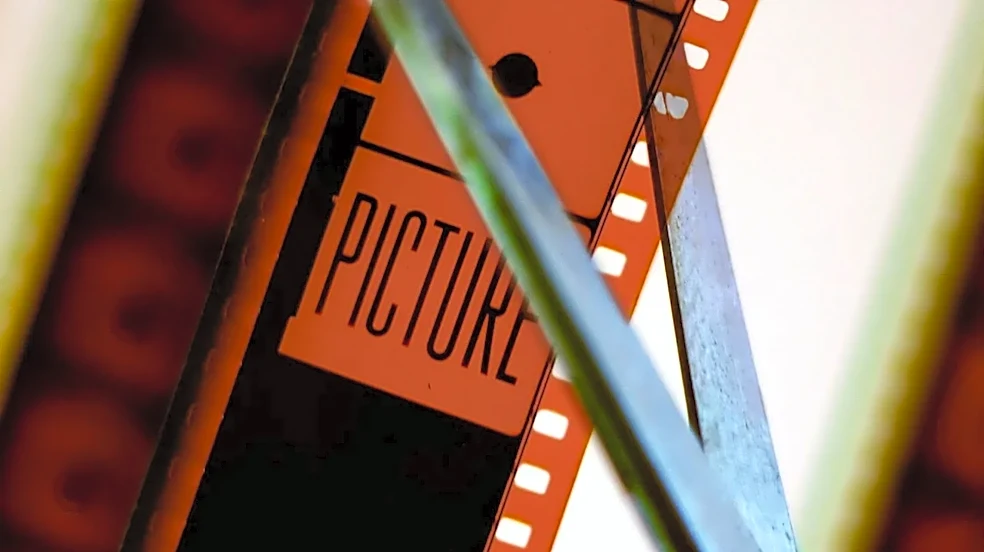
A great pause is a collaborative masterpiece, primarily between the picture editor and the sound designer. The editor controls the 'when,' and the sound designer controls the 'what.' The process often starts by building a dense soundscape. Think of a scene in a creaky old house: you hear the wind outside, the floorboards groaning, and a tense musical score. This is called creating a 'bed' of sound. An editor then works with the sound team to suddenly pull that bed out from under the audience. The abrupt transition from noise to silence is what creates the initial shock. Then, during that silence, your ears are straining so hard that even the tiniest sound—a distant floorboard creak, a character's shallow breath—becomes monumental. This makes the eventual loud, sharp sound of the scare itself feel even more explosive. It's a carefully orchestrated crescendo followed by a void, and then a sonic blast.
The Art of the 'Held' Shot
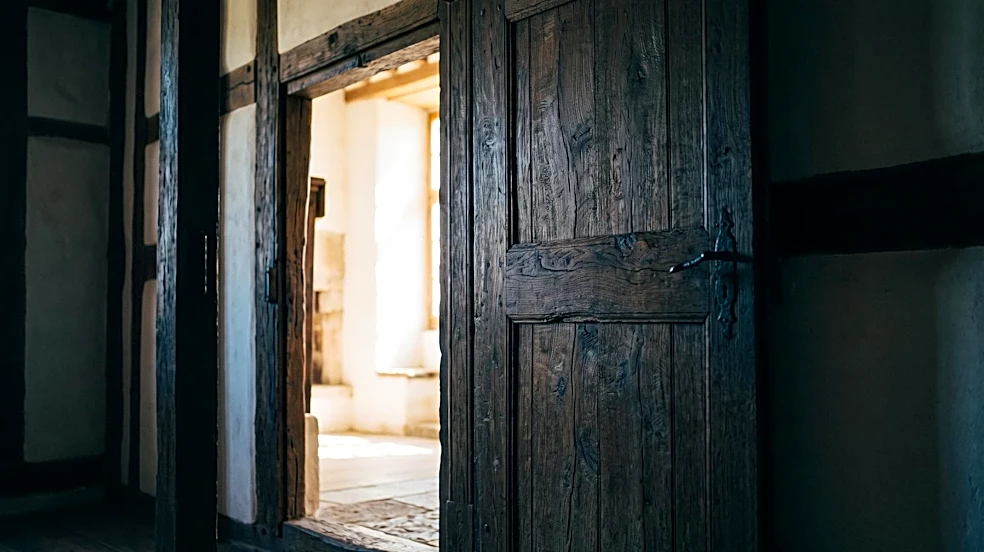
Editors don't just manipulate sound; they manipulate time. One of the most common techniques is to hold on a shot just a few frames longer than feels natural. Think of a character staring down a dark hallway. A normal shot might last three seconds. The editor might stretch it to four or five. As a viewer, you might not consciously register the extra second, but you feel it. It creates an 'unnatural' rhythm that tells your subconscious something is wrong. This technique, often combined with a slow camera zoom or a static, unmoving frame, lulls the audience into a state of tense observation. By locking the viewer's gaze, the editor ensures they are looking exactly where the scare will happen, or, even more cleverly, in the completely wrong direction.
Mastering Misdirection
The most sophisticated jump scares use the pause not just to build tension, but to misdirect the audience's attention. An editor might use the silence to make you focus on the foreground, perhaps a character's terrified face. You become so fixated on their reaction that you don't notice the figure slowly coming into focus in the background. This is a classic bait-and-switch. Alfred Hitchcock was a master of this, training the audience to look for one thing while the real threat emerged from somewhere else entirely. The infamous demon scene in 'Insidious' is a perfect example. We are focused on the conversation at the table, lulled by the normalcy of the scene, when the pause signals a shift. We lean in, expecting something, but the sudden appearance of the red-faced demon directly behind a character is so unexpected in its placement that it becomes instantly iconic. The silence gave the editor the perfect canvas to paint the scare where we least expected it.