







The First Shockwave: A Charming Cannibal
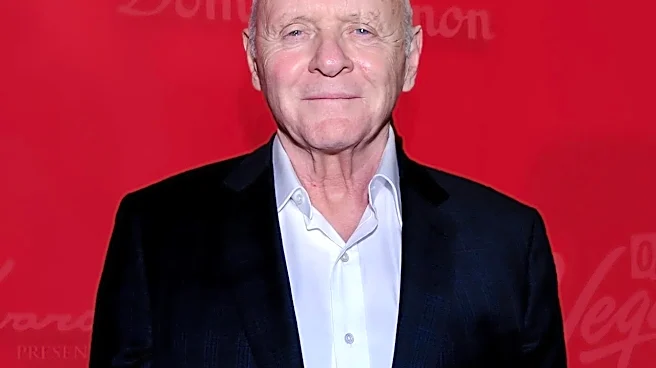
Anthony Hopkins secured his first Oscar in 1992 for a role that redefined screen villainy: Dr. Hannibal Lecter in The Silence of the Lambs. With less than 25 minutes of screen time, he created a character so magnetic and terrifying that the Academy couldn't
look away. The win itself was an upset. The critical favorite that year was Nick Nolte for his deeply vulnerable turn in The Prince of Tides. But Hopkins’s performance was a cultural phenomenon, a lightning-in-a-bottle moment that proved too potent to ignore. The audience in the theater erupted when his name was called, signaling a rare moment when an edgy, horror-adjacent performance broke through the Academy’s traditional preference for prestige drama. It was a popular surprise, one that showed voters could be swayed by an electrifying performance that transcends its genre, even if it meant sidelining a more conventional frontrunner.
The Prestige Years: A String of Near Misses
After his explosive win, Hopkins entered a period of steady, masterful work that earned him consistent recognition, but no more trophies. He was nominated just two years later for his role as the repressed, heartbreakingly dutiful butler in The Remains of the Day (1993), a performance many consider the pinnacle of his career. He lost to Tom Hanks, who won for the timely and transformative role in Philadelphia. Then came nominations for playing a tormented president in Nixon (1995) and John Quincy Adams in Amistad (1997). During this stretch, Hopkins solidified his status as one of the world's greatest living actors. The nominations were a sign of the immense respect he commanded within the industry. Yet, he became the perennial nominee, the esteemed artist who was always in the conversation but never quite made it to the podium again. This pattern is common for legends; the Academy honors them with nominations but often looks to award newer faces or more transformative roles.
The 2021 Upset That Stunned Hollywood
For nearly three decades, it seemed Hopkins's Oscar story was written. Then came The Father. In 2021, the Best Actor race had a narrative that felt pre-ordained. Chadwick Boseman, who had tragically passed away months earlier, was the overwhelming favorite to win a posthumous Oscar for his titanic final performance in Ma Rainey's Black Bottom. He had won the Golden Globe and the Screen Actors Guild Award, two of the most reliable predictors. The Oscar ceremony itself was even restructured to present Best Actor last, a move widely interpreted as a plan to end the night with a poignant tribute to Boseman. Instead, the final envelope revealed Hopkins's name. The actor wasn't even present, and the show ended abruptly, leaving viewers stunned. Insiders were just as shocked. So what happened? Hopkins had won the BAFTA, the British Academy's award, a sign of his strength with the growing international wing of Oscar voters. Furthermore, his portrayal of a man succumbing to dementia was so profoundly moving and technically brilliant that it simply compelled voters to choose it on merit alone, overriding the powerful emotional narrative driving Boseman's campaign.
What His Journey Reveals About Oscar Voters
Anthony Hopkins's Oscar trajectory offers a fascinating lesson in Academy psychology. His win for The Silence of the Lambs was a vote for pure, undeniable cultural impact. His nominations in the '90s represented respect and admiration for his consistent excellence. But his victory for The Father was the most revealing of all. It was a testament to the power of the performance itself, delivered directly to voters via at-home screeners in a pandemic year. It suggested that, despite the endless campaigning and media narratives that dominate awards season, a significant portion of the Academy’s thousands of members still vote with their gut. They are not a monolith. They can choose to ignore sentiment, industry politics, and predictions to reward what they subjectively believe is the single best achievement. Hopkins's win proved that even in a modern Oscar race defined by narratives, a performance of sheer, undeniable power can still deliver a knockout punch when no one sees it coming.