



The Ultimate High-Pressure Playlist
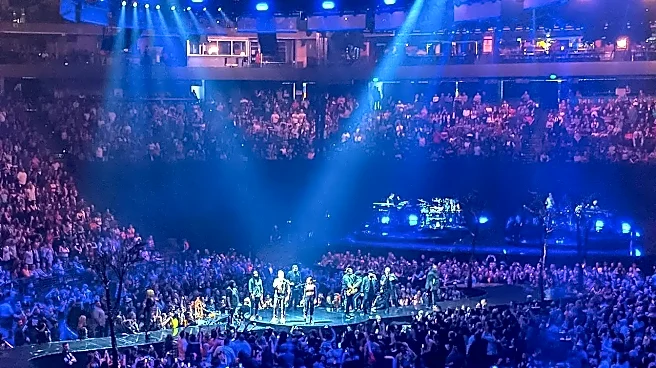
Unlike a headlining tour where an artist has two hours to win over a dedicated fanbase, the iHeartRadio Music Festival is a different beast. The format is a rapid-fire showcase of massive stars from different genres, all performing condensed sets. Artists
often have 30 minutes or less to make an impact on a diverse audience, many of whom might be seeing them for the first time. The goal isn't just to play music; it's to deliver a memorable, high-impact summary of their entire career. This unique pressure transforms setlist creation from a simple song selection into a strategic mission. Every choice is magnified, and there's no room for error.
The Science of the Perfect Opener
First impressions are everything. The opening song's job is to immediately grab the audience's attention and establish the energy for the entire set. Many artists resist the urge to lead with their single biggest hit. Instead, they often choose a song that is upbeat, familiar, and confident—something that pulls the crowd in without giving away the main event too early. This initial track serves as a statement of intent, signaling to a mixed festival crowd what kind of experience they are about to have and getting them invested from the very first chord. It’s less about the climax and more about a confident handshake.
Crafting a Narrative Arc
A great setlist isn't just a playlist; it's a story with a beginning, middle, and end. Artists think of this as building an emotional journey for the audience. This involves creating waves of energy, rather than maintaining one flat level. After a strong start, the middle of the set is where performers can take more risks. This is the time to introduce a new single, play a slightly deeper cut for the dedicated fans, or slow things down with a ballad to create a moment of intimacy and connection. This change of pace makes the return to high-energy tracks feel even more powerful. This dynamic flow, with its peaks and valleys, keeps the audience engaged and prevents listening fatigue.
Balancing Hits, Fan Favorites, and New Material
For any established artist, the central conflict of setlist creation is balancing what the crowd expects with what the artist wants to play. For legacy acts like Anthrax, guitarist Scott Ian has noted it's impossible to make everyone happy when you have a dozen albums of material. At a festival like iHeartRadio, the priority often shifts toward the hits. The audience is broad, and a setlist packed with recognizable, singalong-ready anthems is a reliable way to win over the entire arena. However, artists also need to feel connected to their performance, which often means including a song they are personally passionate about, or testing out new material. The perfect balance ensures the casual listener is satisfied while the artist remains authentic and engaged.
The Peak-End Rule and a Lasting Impression
Psychological principles play a direct role in how a concert is remembered. According to the "peak-end rule," people primarily judge an experience based on its most intense point (the peak) and how it finishes (the end). Artists use this to their advantage. The final songs of a set are chosen to be the most memorable and emotionally resonant. This is where the biggest, most universally beloved hit is often placed. The goal is to send the audience home on an emotional high, ensuring that their final memory of the performance is a powerful one. That epic, all-in singalong that feels so spontaneous is often the most calculated moment of the entire show, designed to create a lasting, positive memory.