






The Sound You Can't Escape
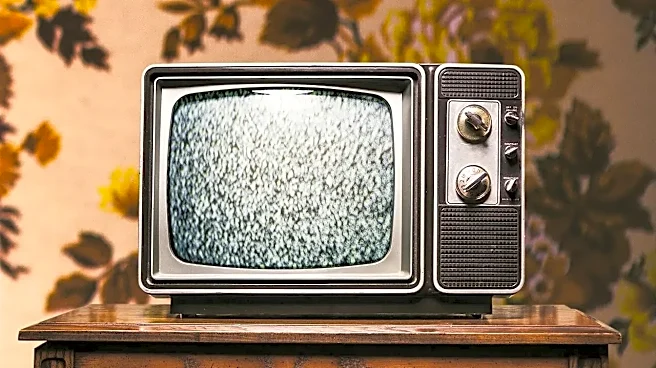
You already know what sonic branding is, even if you don't know the term. It’s the two-note “ta-dum” that precedes every Netflix binge. It’s the ominous “dun-dun” that punctuates drama on Law & Order. It’s the snowy static and celestial choir of an HBO
Original. These aren't just sounds; they are audio logos, meticulously crafted to create an instant connection between a sound and a brand. In a world where we are constantly bombarded with visuals, a unique audio cue can be a far more powerful tool for capturing our attention. It’s a shortcut directly into our brain's emotional and memory centers, creating recognition that visuals alone often struggle to achieve.
More Than Just a Jingle
The power of a sound cue lies in its ability to bypass rational thought. The part of your brain that processes sound, the limbic system, is also responsible for emotion and memory. This deep-seated neurological link is why a snippet of a song can transport you back to your high school prom, and it's what brands are tapping into. These sounds aren't just catchy tunes; they are psychological triggers. Netflix famously wanted its sound to create a feeling of suspense and signal that something great was about to happen. A study of supermarket shoppers famously found that playing French music led to an increase in French wine sales, while German music boosted German wine sales—with most shoppers not even consciously noticing the music. The sound creates a feeling, and that feeling drives behavior.
The Anatomy of an Earworm
These iconic sounds are rarely happy accidents. The famous Law & Order “clang,” as its creator Mike Post calls it, is a complex mashup of up to a dozen sounds, including a jail door slamming, a gavel, and even a recording of 500 men stomping on a wooden floor. Producer Dick Wolf needed a sound to transition between scenes, and Post delivered something that has since become synonymous with the entire justice system on television. Similarly, the Netflix “ta-dum” took a year to perfect. Early versions almost included the sound of a goat bleating. The final version is a combination of several sounds, including sound designer Lon Bender knocking his wedding ring on a cabinet to create the percussive hit, which is followed by a reversed and processed guitar swell to create the 'blossoming' effect.
The New Audio Arms Race
In the crowded streaming era, this audio arms race has become more critical than ever. With viewers often scrolling on a second screen, a sonic logo is the most effective asset for grabbing their attention. Research has shown that sonic brand cues can outperform logos, slogans, and even celebrity endorsements in capturing audience focus. Think about it: you can close your eyes or look away from the screen, but you can't as easily ignore a sound. For a new show premiering this August, establishing a memorable audio signature isn't just a gimmick; it's a survival tactic. That single sound is a piece of branding that can travel from a theatrical trailer to a 15-second TikTok clip, building recognition and telling the audience, without a single visual, exactly what world they are about to enter.