









The Weight of Historical Duty
When a network plans a Juneteenth special, the impulse is understandable: treat the topic with reverence. This usually translates into documentaries chronicling the delayed announcement of emancipation in Galveston, Texas, or prestige dramas depicting
the brutality of slavery and the hard-won fight for freedom. These stories are essential. They provide crucial context for a history that many Americans are still learning, and they honor the gravity of the subject. Without them, we risk losing the anchor of the holiday itself. But an exclusive diet of historical reverence can be limiting. It can inadvertently frame Blackness as a story defined solely by struggle and trauma. When every depiction is somber and every narrative arc is rooted in past suffering, it can become emotionally exhausting for the very audience it seeks to engage. It also risks flattening the meaning of Juneteenth, reducing it from a celebration of multifaceted freedom to a simple, somber history lesson.
The Sharp Wit of Genre
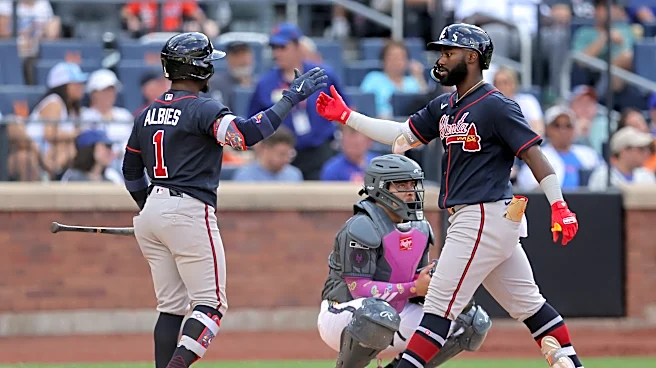
This is where genre storytelling comes in. Shows like Donald Glover’s *Atlanta* have already provided a masterclass. The series’ iconic “Juneteenth” episode doesn’t feature period costumes or historical reenactments. Instead, it uses surreal satire to dissect the modern commodification of Black culture. By placing its characters in an absurd party hosted by a wealthy white liberal who “loves” Black people, the episode makes a sharper, more cutting point about performative allyship and cultural appropriation than any documentary ever could. Similarly, the “Juneteenth” episode of *Black-ish* used the structure of a musical—with animated segments by the creators of *Schoolhouse Rock!*—to make history vibrant, accessible, and memorable. It demonstrated that you don't have to choose between education and entertainment. Comedy, satire, and even musicals are not distractions from the history; they are powerful tools for interpreting its modern-day echoes.
Imagining Liberation Beyond the Past
Juneteenth is not just about remembering the end of a horrific chapter. It is also a celebration of liberation itself—a concept that is forward-looking, imaginative, and infinite. This is where speculative genres like science fiction and horror can do what historical drama cannot. Sci-fi can explore what true, unencumbered Black futures look like. What does a society built on the promise of Juneteenth actually become? What technologies, philosophies, and communities emerge? Horror, on the other hand, can provide a visceral, allegorical language for systemic oppression. Shows like *Lovecraft Country* and films like *Get Out* have already proven that the genre is an incredibly effective vehicle for exploring the terrors of racism. A Juneteenth horror episode could personify the lingering ghosts of inequality or the psychological nightmare of navigating a world that still hasn't fully reckoned with its past. These stories don't just retell history; they allow us to *feel* the stakes in our bones.
Expanding the Emotional Palette
The fear, of course, is that using genre might trivialize a sacred day. This is a fundamental misunderstanding of what good genre storytelling does. It doesn't dilute meaning; it refracts it through a new lens, revealing angles and truths we might have otherwise missed. The goal isn’t to replace historical dramas but to supplement them. A block of Juneteenth programming could—and should—include a solemn documentary, a sharp satirical comedy, and a mind-bending sci-fi allegory. Doing so would create a richer, more holistic portrait of the holiday. It would acknowledge that the legacy of emancipation is not just about historical fact, but about the joy, the pain, the absurdity, and the boundless potential that freedom entails. It allows for anger and laughter, for reflection and for dreaming. By embracing the full spectrum of storytelling, television can honor the past while helping us all imagine a more liberated future.