



1. Master the Art of Textural Contrast
When your color palette is restrained, texture becomes your primary tool for creating visual interest. Milanese style setters prove that a monochromatic or neutral-toned outfit is anything but boring when you mix materials. Imagine a pair of crisp cotton
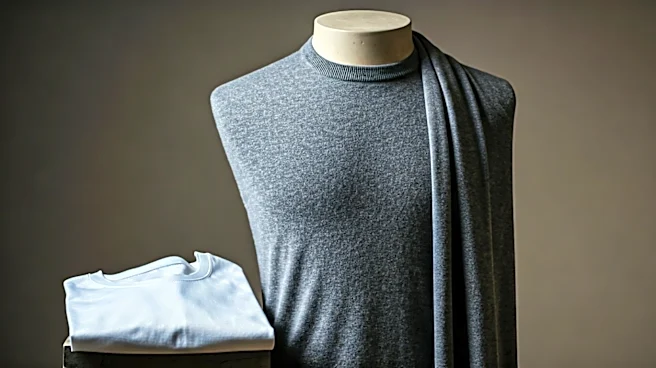
trousers in a stone color, paired not with a simple t-shirt, but with a chunky, ribbed-knit sweater in a similar ecru shade. The interplay between the smooth, flat weave of the pants and the three-dimensional depth of the knit creates a sophisticated look. Think about combining different fabric 'families' in one outfit: the slight sheen of a silk-blend shirt under a matte linen blazer, or the ruggedness of raw denim paired with the softness of a cashmere crewneck. This approach adds a tactile dimension that feels luxurious and considered, proving that neutrals are a playground for fabric, not a limitation.
2. Embrace the Relaxed Silhouette
The era of ultra-slim, restrictive tailoring is giving way to a more comfortable and elegant silhouette. Milan’s best-dressed men are championing this shift, particularly within a neutral framework. The key is proportion. A well-executed relaxed look isn't just about wearing bigger clothes; it's about balance. Try a pair of wide-leg trousers in charcoal or olive and anchor them with a more structured, but not tight, piece on top, like a classic chore coat or a slightly oversized Oxford shirt. The volume on the bottom is balanced by the clean lines up top. This modern silhouette allows for beautiful movement and conveys a sense of effortless confidence—the Italian concept of *sprezzatura*. It's a style that prioritizes comfort without sacrificing an ounce of polish, and it works exceptionally well with the earthy, architectural feel of a neutral wardrobe.
3. Build Around a Statement Outerwear Piece
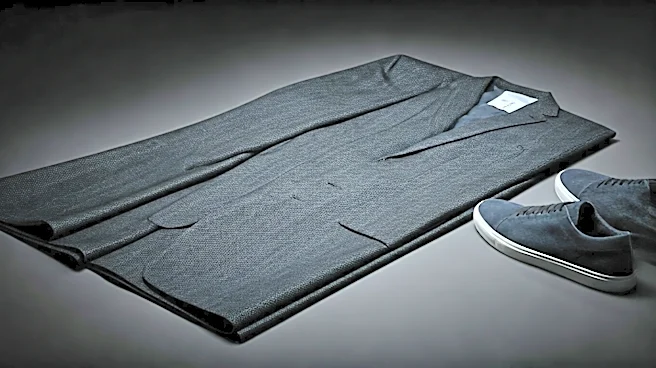
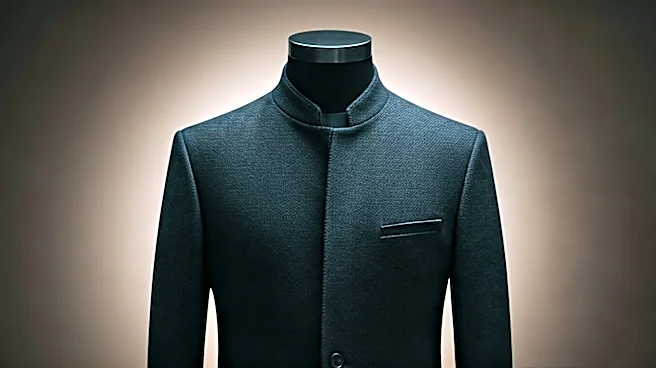
A simple uniform of a black t-shirt and grey trousers can be instantly transformed with the right piece of outerwear. This is a foundational principle of Milanese street style. Invest in one truly great coat or jacket in a versatile neutral—think a classic camel overcoat, a sharp navy peacoat, or a technical trench in a deep olive green. This single item becomes the hero of your outfit. The beauty of this approach is its simplicity. The base layers can remain minimal and comfortable, while the coat does all the heavy lifting, providing structure, silhouette, and a powerful first impression. It's a practical strategy for travel and changing weather, but more importantly, it's a shortcut to looking put-together with minimal effort. Look for quality construction, a timeless cut, and a fabric that feels as good as it looks.
4. Use Tonal Layering for Depth
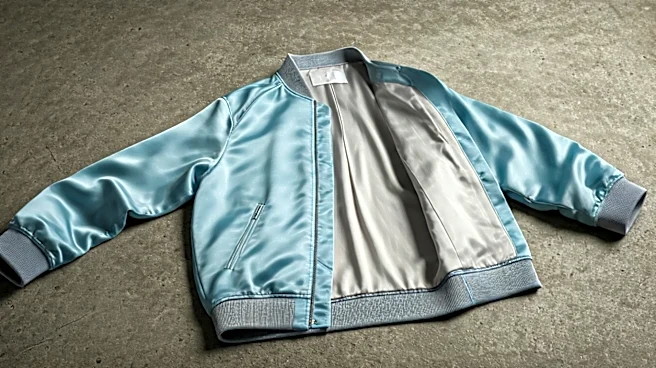
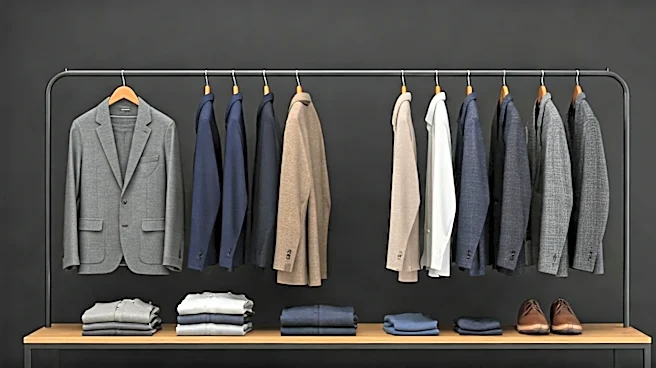
Sticking to one color family doesn’t have to mean looking flat. Tonal dressing—layering different shades of the same color—is a subtle art that creates incredible depth. An outfit composed of various shades of beige, cream, stone, and khaki feels richer and more complex than a single block of color. Start with a light base, like an off-white t-shirt, and layer a slightly darker taupe button-down over it, left open. Top it off with a field jacket in a deeper shade of khaki or brown. Each layer is distinct yet harmonious, drawing the eye in and creating a cohesive, intentional look. This technique works with any neutral family: explore the spectrum from light grey to deep charcoal, or from pale sky blue to dark navy. It's a sophisticated way to wear your favorite colors while adding nuance and dimension.
5. Let Your Accessories Do the Talking
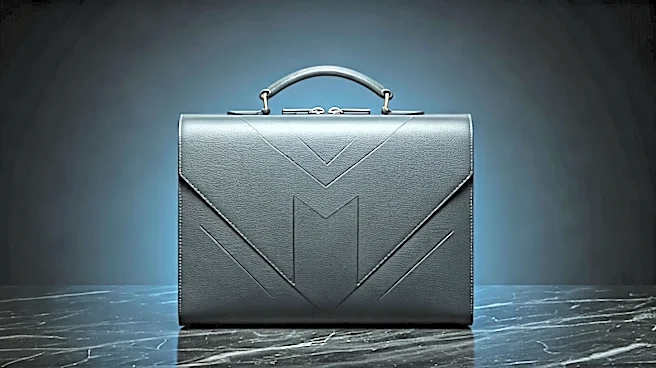
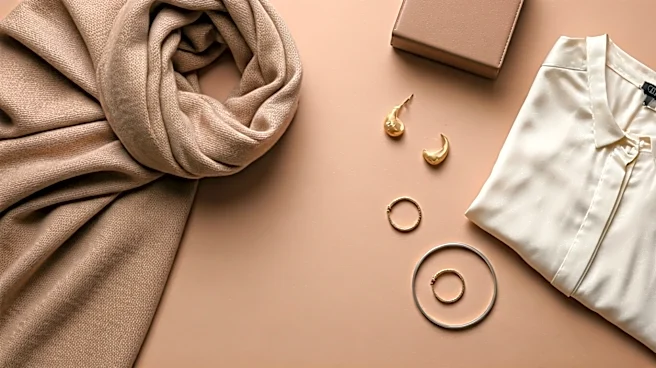
When your clothing is understated, your accessories have the space to shine without competing for attention. This doesn't mean you need flashy logos or loud jewelry. In Milan, it’s about choosing accessories with character. A simple black knit and trousers become a 'look' with the addition of a beautifully crafted leather tote bag or a pair of perfectly chosen, substantial loafers. It could be a pair of vintage-inspired sunglasses with a unique frame shape, a simple silk scarf tied neatly at the neck, or a well-made belt with an interesting buckle. These small details signal an attention to craft and personal style. They complete the outfit, tying the neutral elements together and adding a point of focus that elevates the entire ensemble from simple to stylish.