





Federer vs. Nadal: The 2008 Wimbledon Final
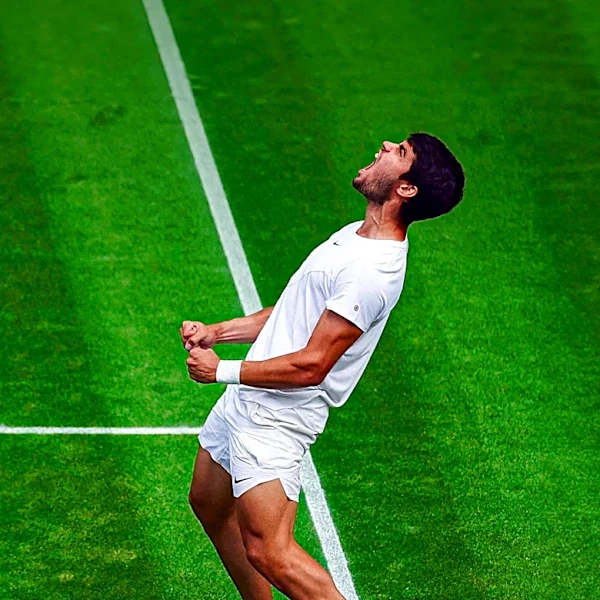
For five straight years, Roger Federer was the untouchable king of Wimbledon. His elegant, all-court dominance on grass seemed absolute. Meanwhile, Rafael Nadal was the undisputed “King of Clay,” a relentless force at the French Open. The 2008 Wimbledon final
was their third consecutive meeting for the title, but this time felt different. Nadal was closing the gap. In a nearly five-hour epic, interrupted by rain and fading light, the two titans battled. The match is widely considered the greatest in tennis history. Nadal stormed to a two-set lead before Federer, in a display of champion’s resolve, clawed his way back, winning two nail-biting tiebreaks. But in the dimming twilight, Nadal broke Federer late in the fifth set, winning 9-7. The victory shattered Federer’s aura of invincibility at the All England Club and proved Nadal was more than a clay-court specialist. It was a seismic shift, legitimizing Nadal's claim as a true all-surface great and setting the stage for him to eventually surpass Federer for the World No. 1 ranking.
Magic vs. Bird: The 1984 NBA Finals
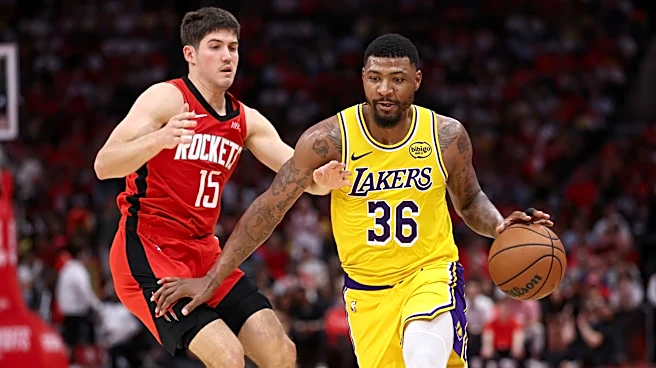
The rivalry between Magic Johnson and Larry Bird didn’t just define an era of basketball; it saved the NBA. Their first championship clash in the pros came in 1984, a collision course that had been brewing since their iconic NCAA title game in 1979. The Lakers, led by the flashy and charismatic Magic, were pitted against Bird’s gritty, blue-collar Celtics. The series was a brutal, seven-game war. The Lakers looked to be in control, but a series of late-game blunders and critical turnovers by Magic—which earned him the moniker “Tragic Johnson”—cost them dearly. A hard foul by Kevin McHale on Kurt Rambis in Game 4 is often cited as the turning point that injected the series with a renewed intensity. The Celtics ultimately triumphed in Game 7 in the sweltering Boston Garden. For Bird, who was named series MVP, it was personal validation, finally getting his championship revenge over Magic. For Magic, the loss was a crucible, a painful lesson that would fuel his drive for the rest of the decade.
Brady vs. Manning: The 2006 AFC Championship
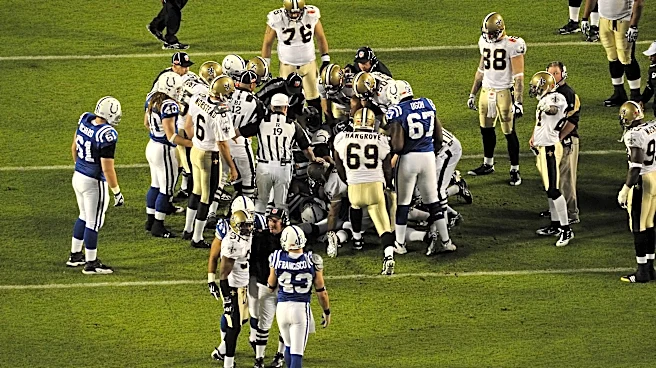
For years, the narrative was set: Tom Brady was the clutch winner, the postseason giant, while Peyton Manning was the regular-season titan who faltered in January, often at the hands of Brady’s Patriots. By the 2006 AFC Championship, Manning's Colts had repeatedly seen their Super Bowl hopes dashed by New England. This time, playing on their home turf, the Colts fell into a familiar hole, trailing 21-3. But then, the script flipped. Manning led the Colts on a furious comeback, culminating in the largest comeback in a conference title game's history. The game-winning drive in the final minutes was a masterclass in precision and poise, capped by a Joseph Addai touchdown run. Brady’s final desperation drive ended with a game-sealing interception. The victory wasn’t just a ticket to the Super Bowl, which the Colts would go on to win; it was a complete rewriting of Manning’s legacy. He had finally slain his dragon, proving he could win the biggest games when it mattered most and shaking the unfair label of a postseason choker.
Ali vs. Frazier: The 'Thrilla in Manila'
No rivalry was more personal, political, and punishing than Muhammad Ali vs. Joe Frazier. Their third and final fight in 1975 was the brutal culmination of years of animosity. Billed as the “Thrilla in Manila,” the bout was fought in punishing, near-inhuman heat and humidity. For 14 rounds, the two legends absorbed and delivered unbelievable punishment. Ali controlled the early rounds with his speed, but Frazier’s relentless body attack and thudding left hook wore the champion down in the middle rounds. The fight turned into a battle of pure will. By the late rounds, both men were utterly exhausted and battered. Ali later claimed it was the closest he had ever been to death. Before the 15th round, Frazier’s trainer, Eddie Futch, made the difficult decision to stop the fight against his boxer’s wishes, as Frazier’s eyes were swollen shut. Ali won, cementing his claim as “The Greatest,” but the fight took an irreversible toll on both men. It stands as a monument to their courage and the ultimate example of a rivalry where victory came at an almost unbearable cost.