





A Symbol for a New Frontier
To understand the Moon Person's power, you have to go back to its origins. When MTV launched on August 1, 1981, it wasn't just a new channel; it was a cultural explosion. The network's very first broadcast featured footage of an Apollo astronaut planting
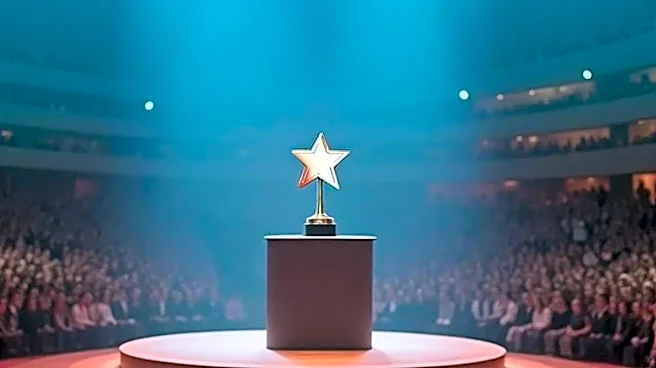
a flag on the moon, but with a crucial twist: the stars and stripes were replaced by the MTV logo. This audacious act of branding—claiming the new frontier of music television—was the concept behind the award. First handed out in 1984, the statuette, then called the "Moonman," was a physical manifestation of this idea: a bold, futuristic figure staking a claim for a new generation of artists and a new medium. It wasn't just a trophy; it was a statement of arrival.
The Trophy as a Canvas
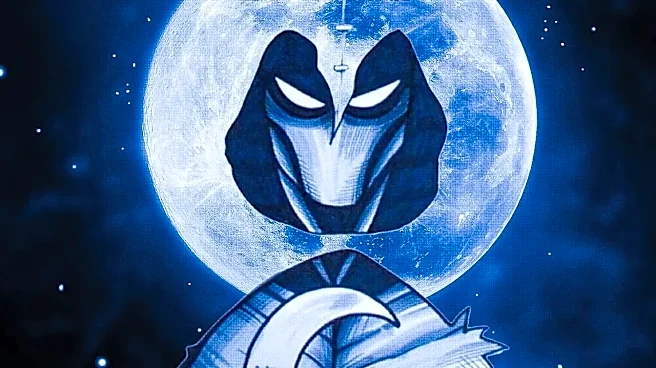
Part of the Moon Person’s genius is its simultaneous distinctiveness and blankness. The silhouette is instantly recognizable, but its simple, chrome form has proven to be an irresistible canvas for reinterpretation. In 2013, graffiti and pop artist KAWS was the first to redesign the trophy, giving it his signature skull and crossbones head and “XX” eyes. Fashion designer Jeremy Scott followed in 2015 with a colorful, winged version. For MTV's 40th anniversary in 2021, celebrated artist Kehinde Wiley, known for his presidential portrait of Barack Obama, draped the figure in intricate botanical vines, a commentary on diversity and American history. Each redesign allows the award to absorb and reflect contemporary artistic conversations, ensuring it never feels static or dated. It evolves with the culture it celebrates.
From Moonman to Moon Person
Perhaps the most significant evolution of the award came in 2017, when MTV officially renamed it the "Moon Person." Network president Chris McCarthy explained the change by asking, “Why should it be a man?” The move, which coincided with the removal of gendered acting categories at the MTV Movie & TV Awards, was a direct response to a more inclusive cultural moment. This wasn't just a semantic tweak; it was a fundamental update to the symbol's core identity. By shedding its masculine-coded name, the trophy affirmed that the future it once represented was one open to everyone, regardless of gender or identity. This adaptation ensured its continued relevance to a new generation of artists and fans who demand and expect inclusivity.
A Prop in Pop Culture History
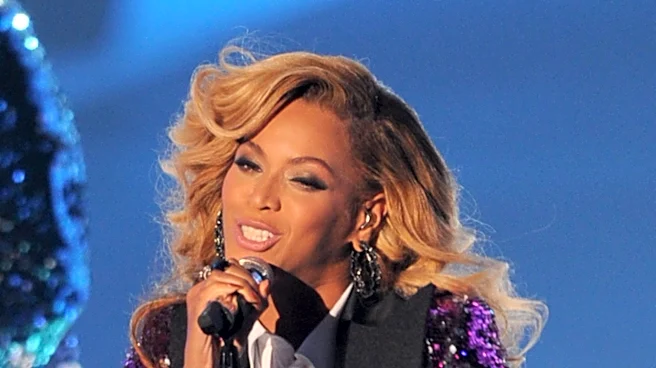
Ultimately, the Moon Person’s meaning is forged not in a studio but on the VMA stage itself. It is a silent witness and often a prop in some of pop music's most unscripted, chaotic, and legendary moments. It was the award Taylor Swift was accepting when Kanye West interrupted her in 2009. It’s what Cardi B cradled in a blanket in 2018, tricking the audience into thinking she was holding her newborn daughter. And it's the symbol of ultimate achievement that artists like Madonna, Peter Gabriel, and Beyoncé have held aloft after career-defining performances. The trophy accrues value with each iconic speech, controversy, and tearful acceptance. It's not just an award for making history; it's a part of that history.