



The Art of the Imperceptible
For years, the conversation around men’s makeup has been caught in a binary: either the bare-faced ruggedness of a 1950s movie star or the expressive, gender-bending artistry of a rock icon. But the most forward-thinking creative directors and makeup artists
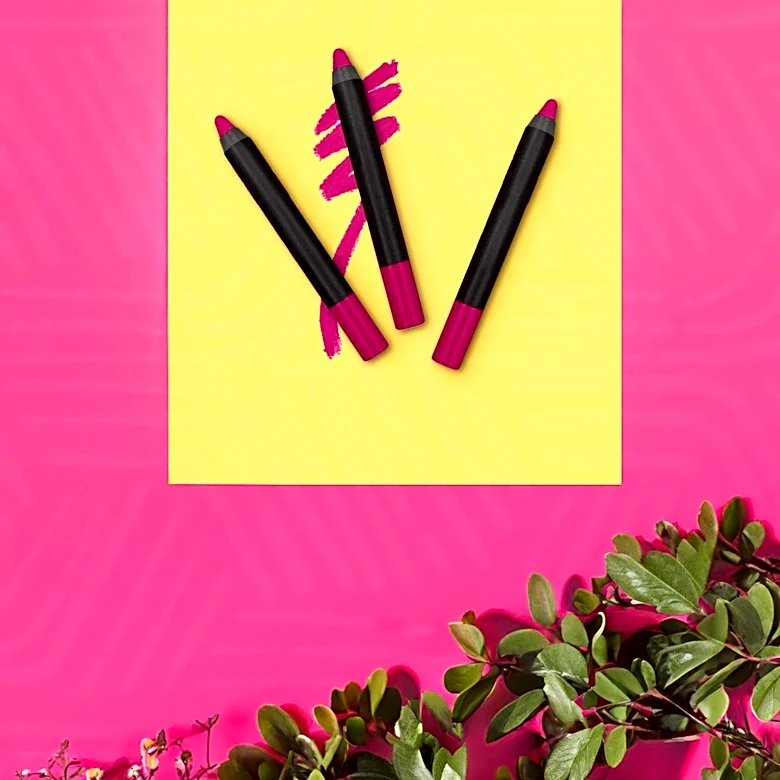
are now championing a third way. It’s not about applying foundation to create a blank canvas or using contour to sculpt an entirely new face. Instead, the new ideal is about strategic, almost invisible, enhancement. Think of it as the beauty equivalent of 'quiet luxury.' The goal isn't to look like you’re wearing makeup; it’s to look rested, healthy, and hydrated. The techniques are subtle: a touch of concealer blended seamlessly under the eyes, a clear brow gel to groom hairs into place, a hydrating balm that gives lips a natural sheen without a trace of gloss. It’s a painstaking process of making someone look like the absolute best version of their natural self.
Health as the New Foundation
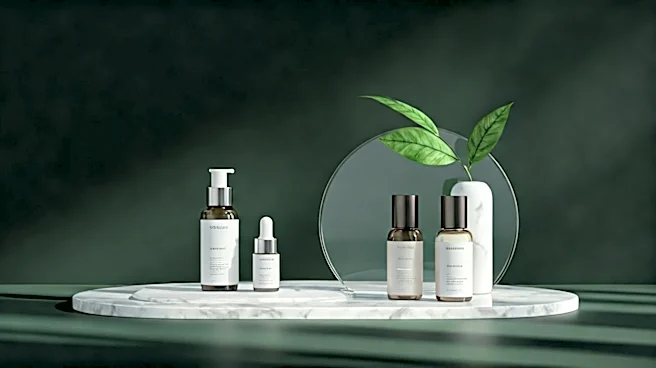
The old approach to beauty, for any gender, often began with coverage—a layer of foundation designed to erase pores, spots, and redness, creating a uniform surface. The modern runway approach flips this on its head. The foundation is now healthy skin itself. Makeup artists for top-tier brands like Zegna, Prada, and Dior Men spend more time on skin prep than on color application. The backstage kit is overflowing with hydrating serums, plumping moisturizers, calming mists, and facial massage tools. The idea is to create a luminous, vibrant complexion from within, so that only the most minimal product is needed afterward. This shift signifies a deeper cultural trend: wellness is the ultimate status symbol. A face that glows with health communicates discipline, vitality, and well-being far more effectively than a face masked by heavy product. It’s not about faking perfection; it’s about showcasing genuine self-care.
A Rejection of Digital Distortion
This move toward restraint is also a quiet rebellion against the “Instagram Face” that dominated the 2010s. For nearly a decade, social media feeds were saturated with a highly specific look: sharp contouring, heavy baking powder, blinding highlighter, and perfectly carved-out brows. It was a digital-first aesthetic, designed to look flawless through a phone screen. High fashion is now offering a compelling alternative. By championing subtlety, designers are celebrating the texture, character, and so-called imperfections of real human skin. A hint of a shadow under the eye, the natural flush of a cheek, or the unique shape of a brow are no longer flaws to be corrected but individual traits to be embraced. This aesthetic feels more sophisticated and, frankly, more modern. It acknowledges that we live in a hyper-filtered world and chooses, deliberately, to ground itself in something more authentic and tangible.
The Confidence of Less
Ultimately, the power of this restrained beauty lies in the confidence it projects. It takes a certain security to present a version of yourself that is enhanced rather than hidden. It implies you don't need a mask. This philosophy aligns perfectly with the broader evolution of modern menswear, which has moved away from rigid, performative archetypes toward a more relaxed and personal form of self-expression. A man who is comfortable in clothes that are soft, fluid, and unrestrictive is also likely to be comfortable in his own skin. The beauty look is simply an extension of that ethos. It’s not about pretending to be flawless; it’s about having the confidence to be seen as you are, just on a very good day. This quiet assertion of self is far more powerful and contemporary than any bold color or dramatic transformation could ever be.