
Choosing a winter coat is a major style investment. Beyond warmth, the cut dramatically shapes your silhouette. The central debate often comes down to two classics: single-breasted versus double-breasted. But which one actually changes your proportions
more?
The Workhorse: Understanding the Single-Breasted Coat
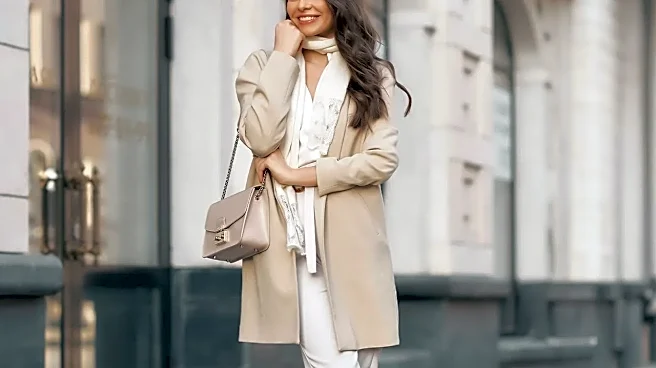
The single-breasted coat is the most common and versatile style you'll find. Its defining feature is a single column of buttons and a narrow overlap of fabric at the front. This clean, minimalist closure creates a strong vertical line down the center of your body. The visual effect is one of elongation. By drawing the eye up and down, a single-breasted coat tends to make the wearer appear taller and leaner. This is why it's considered a universally flattering choice, working well for nearly every body type, from petite to plus-size. Its simplicity also makes it a flexible wardrobe staple; it looks just as natural worn open over a casual sweater as it does buttoned up for a formal event. If you want a coat that seamlessly adapts to your day without adding visual bulk, the single-breasted is the undisputed champion of understated elegance.
The Statement: Deconstructing the Double-Breasted Coat
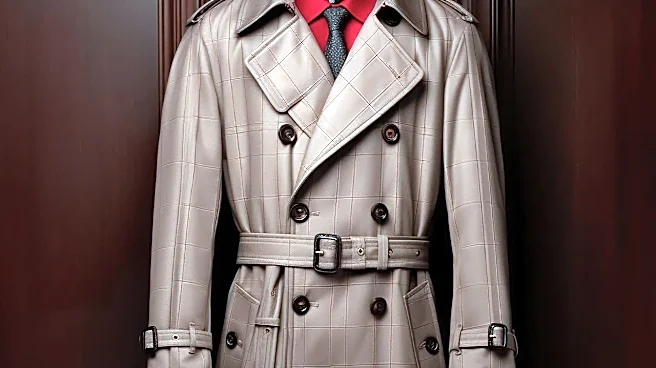
A double-breasted coat is defined by its two parallel columns of buttons and a wide, overlapping front panel. This extra layer of fabric is the key to its transformative power. Unlike the single-breasted coat's vertical illusion, the double-breasted style introduces horizontal lines across the torso, causing the eye to travel from side to side. This effect, combined with the additional fabric, visually broadens the chest and shoulders. The lapels on a double-breasted coat are also typically wider and peaked, pointing upwards to further accentuate the shoulder line and create a powerful V-shape. This structure adds architectural presence and formality, projecting an air of confidence. However, this added volume and structure mean it's less forgiving. It's designed to be worn closed to maintain its shape, as the overlapping fabric can look untidy when left open.
The Verdict: The Double-Breasted Changes Proportion More
Without question, the double-breasted coat changes your proportions more dramatically. Its entire design is based on adding visual width and structure. The overlapping panels, the double row of buttons, and the assertive peak lapels all work together to create a broader, more powerful silhouette. While a single-breasted coat creates a subtle illusion of height, the double-breasted actively reconstructs your upper body's perceived shape, making your shoulders appear stronger and your chest wider. This isn't a good or a bad thing; it's a tool. The significant change it creates is exactly why it's considered a 'statement' piece. It announces its presence and deliberately alters your frame, whereas the single-breasted style aims for a more streamlined, natural enhancement of your existing lines.
How to Choose the Right Cut for Your Goals
The better question isn't which coat changes proportion more, but which change you want to create. Your choice should be guided by your body type and your style aspirations. If you want to appear taller or slimmer, or if you have a broader frame, the single-breasted coat is a reliable choice. Its clean, vertical lines offer a flattering, elongating effect without adding bulk. It's the safe, versatile bet. Conversely, if you have a tall, slim build or narrower shoulders and want to create the illusion of a broader, more commanding frame, the double-breasted coat is your ally. It's particularly effective for creating an hourglass shape, as the wide shoulders make the waist appear smaller by comparison. For shorter individuals, a double-breasted coat can sometimes feel overwhelming, but a shorter cut can make the style work. Ultimately, the 'better' coat is the one that achieves the silhouette you feel most confident in.