






An Artist in Transition
By 1961, Ricky Nelson was at a crossroads. He was one of the biggest stars in America, a teen idol whose fame was amplified weekly on his family's sitcom, "The Adventures of Ozzie and Harriet." But Nelson was more than a pretty face for the cameras; he was a serious
musician with a deep love for rock and roll and a clear artistic vision. He had already charted numerous hits, but as he matured, he fought for more creative control, a common struggle for artists of his era who were often managed by powerful producers and label heads. He wasn't just the clean-cut kid from television; he was a musician eager to transition from teen sensation to a respected artist on his own terms.
The Song That Almost Wasn't
The song at the center of the drama was "Travelin' Man," a tune penned by songwriter Jerry Fuller. Originally intended for the legendary Sam Cooke, the demo was dismissed by Cooke's manager and was literally rescued from the trash by Nelson's bassist, Joe Osborn. Osborn knew it was perfect for Ricky, and Nelson loved it instantly. The song, a breezy tale of a globetrotting heartbreaker with a girl in every port, had all the makings of a hit. During the recording session on March 13, 1961, everything was falling into place—the smooth vocals backed by Elvis Presley's go-to group, The Jordanaires, the tight rhythm section—everything except for one crucial element.
A Standoff Over a Solo
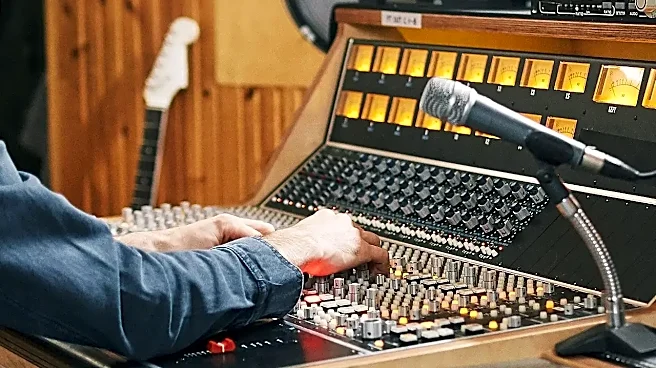
The session hit a wall when it came time to record the guitar solo. The sound just wasn't right. The session guitarist, a professional and capable musician, couldn't produce the specific, vibrant sound that Nelson heard in his head. For Nelson, the solo wasn't just filler; it was the key to unlocking the song's energy. Frustration mounted with each take. This wasn't merely a technical issue; it was an artistic one. Nelson knew the song needed a certain spark, a signature lick that would make it unforgettable. When it became clear he wasn't going to get it from the players in the room, he made a bold move. He stopped the session and walked out.
The Call to a Legend
This wasn't a temper tantrum. It was a calculated act of creative preservation. Nelson left the studio with a purpose: to get the one man he knew could nail the part. He called his regular lead guitarist, James Burton. Already a legend in his own right for his pioneering work on Dale Hawkins' "Susie Q," Burton was the architect of Nelson's signature rockabilly sound. Though under contract with Nelson, he wasn't at the initial session, but he answered the call. Burton came into the studio, listened to what Nelson wanted, and proceeded to lay down one of the most iconic guitar solos of the era. His clean, melodic, and impossibly catchy playing was exactly what the song needed. The problem was solved, not by compromise, but by conviction.
A Number One Hit and a Lasting Legacy
"Travelin' Man" was released as a double A-side with another Burton-fueled classic, "Hello Mary Lou." It shot to number one on the Billboard Hot 100, becoming Nelson's final chart-topper. The song's success was a vindication of his artistic instincts. The walkout wasn't just a footnote; it was a defining moment where an artist risked a session to protect his vision, and in doing so, created something timeless. The guitar solo became a benchmark, studied and emulated by countless aspiring guitarists. The entire episode solidified Nelson's status not just as a pop star, but as a musician with an unwavering commitment to his sound, a quiet rebel who knew that sometimes you have to walk away to get things right.