



The Rebel Against the Machine
To understand Tom Petty’s impact in the studio, you first have to remember what mainstream rock sounded like in the 1980s. It was the age of excess, defined by booming gated reverb on the drums, slick synthesizers, and a digital polish that often scrubbed
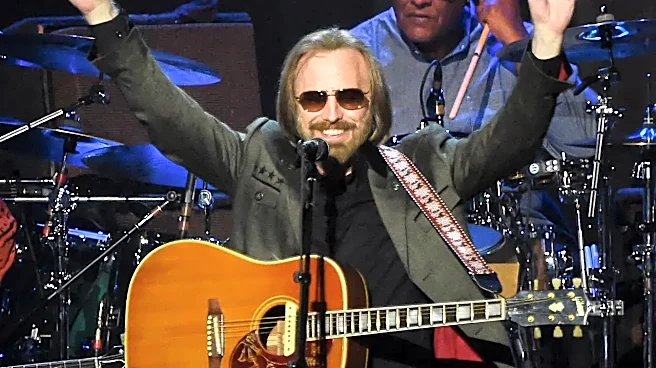
away any sense of raw energy. Artists and producers were chasing a sound that was bigger, cleaner, and often, colder. Petty, a rock and roll purist from Gainesville, Florida, wanted no part of it. He and The Heartbreakers built their sound on a foundation of '60s classicism: The Byrds' jangle, The Rolling Stones' grit, and Bob Dylan's lyrical directness. While some of his contemporaries were embracing the new wave of studio technology to create futuristic sounds, Petty was digging in his heels, determined to capture the sound of real musicians playing together in a room. This wasn't just a stylistic choice; it was a philosophical rebellion against the prevailing trends of the day.
Feel Over Flawless Perfection
At the core of Petty’s recording ethos was a belief in authenticity. He prioritized the 'feel' of a performance over technical, metronomic perfection. For him and The Heartbreakers, the magic happened when they were playing live together, feeding off each other's energy. This approach is why albums like "Damn the Torpedoes" crackle with an urgency that was often missing from other records of the time. His producer on "Wildflowers," Rick Rubin, fostered this by creating an environment where the band could sound organic and human. This commitment to capturing a live, band-in-a-room energy meant accepting the slight imperfections that make music feel alive. While other producers were painstakingly programming drum machines and quantizing every note to a perfect grid, Petty was chasing the lightning in a bottle that comes from a group of musicians who implicitly understand each other.
The Analog Advocate
Petty was a lifelong champion of analog recording, preferring the warmth and texture of magnetic tape to the pristine, often sterile world of digital recording. He famously lamented that modern digital files like MP3s delivered only a fraction—as little as 5%, by his estimation—of the sonic information he heard in the studio. This wasn't just cranky nostalgia. Analog tape naturally compresses sound in a way that is pleasing to the human ear, adding sonic character and a sense of depth. He also fought back against the 'Loudness Wars'—the modern trend of mastering music to be as loud as possible, which often crushes the dynamic range and subtlety of a recording. He insisted on mastering his catalog with dynamics intact, even if it meant his records were quieter than others. He trusted that if you turned up the volume, the richness and detail would be their own reward.
Finding the Right Co-Pilots
Petty’s genius was in knowing how to collaborate without compromising his vision. His work with Jeff Lynne (of ELO fame) on "Full Moon Fever" and the Traveling Wilburys records is a case study in perfect production. Lynne, himself a master of intricate, layered sound, helped Petty craft pop-rock anthems that sounded huge yet still retained an organic core. Later, his partnership with Rick Rubin for the seminal album "Wildflowers" represented a different kind of synergy. Rubin encouraged Petty to strip his songs down to their emotional essence. He found a sweet spot between Lynne's meticulous overdubbing and the Heartbreakers' desire for live takes. Both producers understood Petty's core values, helping him refine his sound rather than trying to change it. This ability to absorb influences while staying true to his roots was Petty's superpower.