





1. It's About Texture, Not Just Color
The first rule of the Milanese monochrome playbook is that a single color does not mean a single note. The secret is to create visual interest through a rich tapestry of textures. An American might throw on a black cotton t-shirt with black jeans and
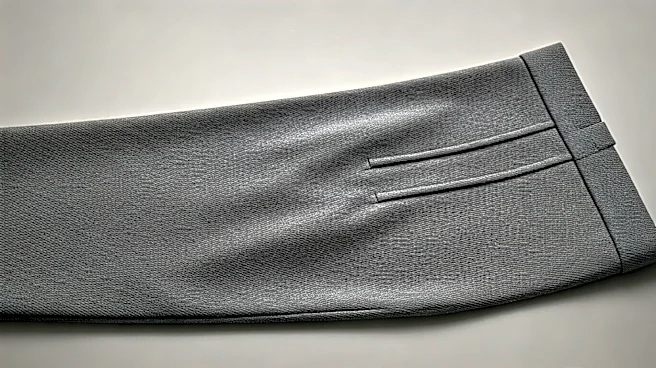
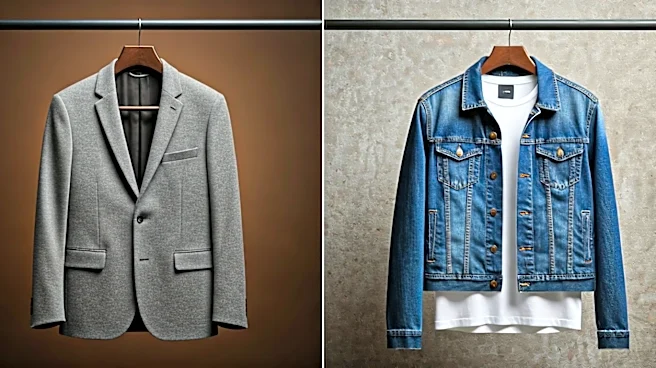
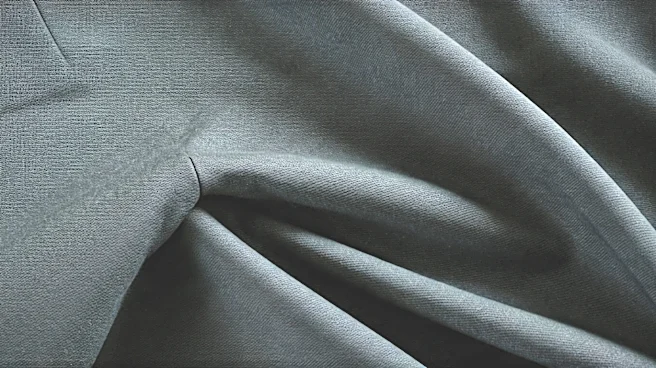
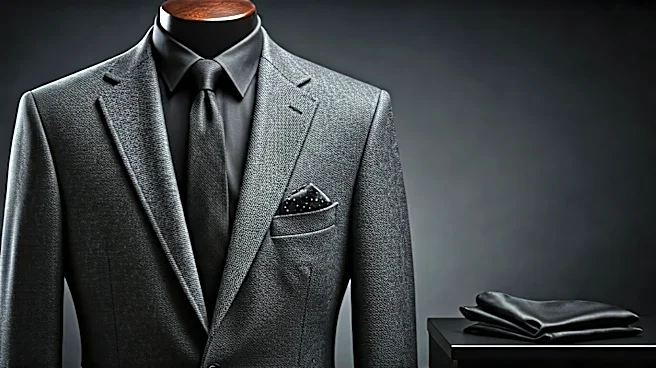
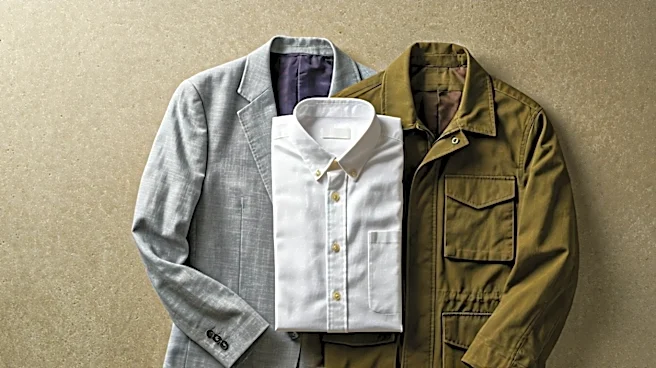
call it a day. A Milanese man, however, composes an outfit. Imagine a fine-gauge merino wool sweater in charcoal, paired with heavier, structured wool trousers in a slightly darker shade, and finished with polished black leather shoes. Each piece is black or grey, but the interplay of smooth wool, coarse fabric, and shiny leather creates depth and sophistication. This textural contrast is what prevents the outfit from looking flat or, worse, like a uniform. Think about mixing cashmere with denim, silk with linen, or corduroy with cotton—all within the same color family.
2. Master the Tonal Spectrum
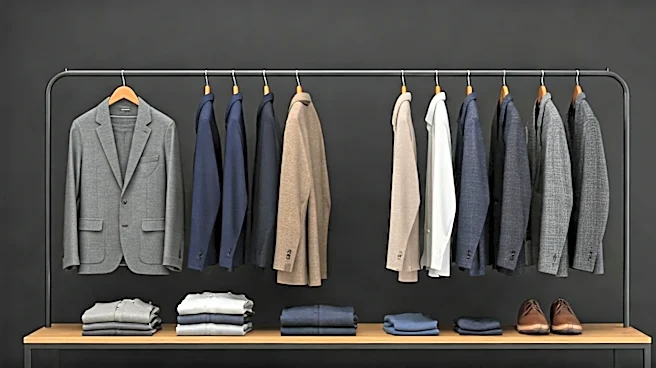
Monochrome doesn't have to mean one identical shade from head to toe. In fact, it rarely does in Milan. The true discipline is found in tonal dressing—expertly layering different shades of the same color. This is where the look graduates from simple to sublime. A palette of blues might include a navy blazer, a sky-blue Oxford shirt, and deep indigo denim. A dive into beige could involve a camel overcoat, oatmeal-colored knitwear, and stone-hued chinos. By sticking to one color family but exploring its full range, you create a look that is cohesive and intentional yet dynamic. It shows a command of color theory without shouting it. The key is to ensure the tones are distinct enough to be noticed but close enough to remain harmonious.
3. The Silhouette Is Everything
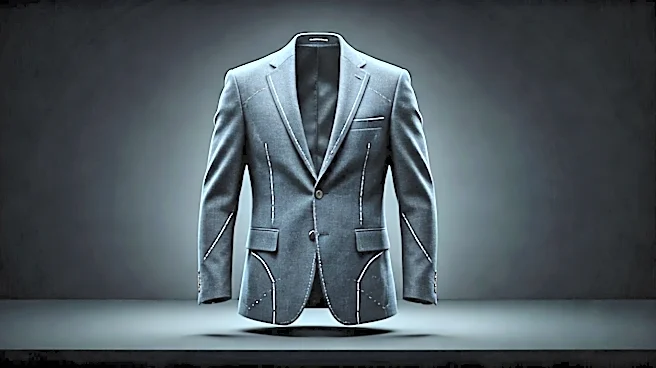
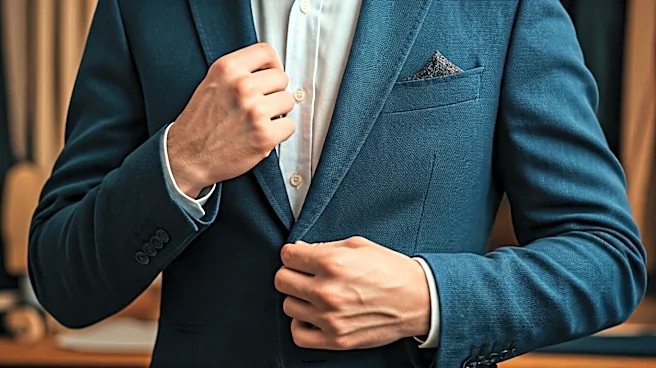
When you remove the distraction of multiple colors, the cut and fit of your clothes become paramount. This is where Italy’s legendary tailoring heritage comes into play. A monochrome outfit without a strong silhouette can quickly look like a shapeless blob. The Milanese approach emphasizes clean lines and a perfect fit, whether it's the sharp shoulder of a blazer, the precise break of a trouser over a loafer, or the simple drape of a well-cut overcoat. This doesn't necessarily mean everything must be slim-fit. A more relaxed, flowing silhouette can also work, but it must be intentional. The proportions have to be right. This focus on form is the architectural foundation upon which the entire monochrome discipline is built. Without it, the effect is lost.
4. Use Accessories as Punctuation
A truly disciplined monochrome look understands the power of the right accent. It’s not about introducing a loud, contrasting color, but about adding points of interest that complete the picture. This is often achieved through accessories. A classic watch with a leather strap, a simple silver bracelet, or a beautifully crafted leather belt with a subtle buckle can elevate the entire ensemble. The same goes for footwear; a pair of perfectly polished loafers or minimalist white sneakers (in an all-white or all-black look) act as a deliberate finishing touch. Sunglasses, too, are not just for sun protection; they are a critical piece of facial architecture. These elements aren't afterthoughts; they are the final, carefully chosen details that signal mastery.
5. Embrace Sprezzatura (Studied Carelessness)
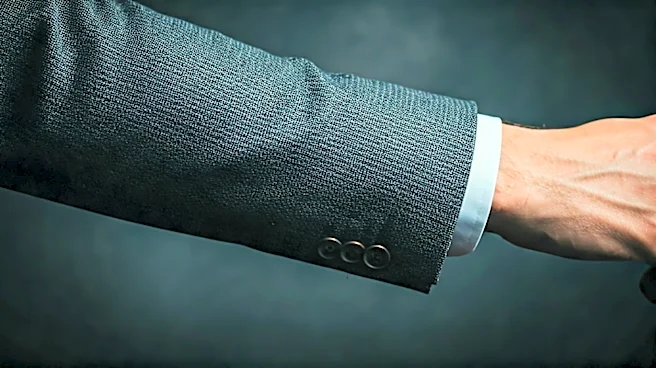
Finally, the most elusive and essential ingredient: *sprezzatura*. This famous Italian concept describes a kind of studied nonchalance, the art of making the difficult look effortless. After all the careful selection of texture, tone, and fit, the final step is to wear it all with an air of complete ease. It’s the slightly unbuttoned shirt cuff, the casually draped scarf, or the jacket slung over a shoulder instead of worn. It’s the confidence that keeps the meticulously planned outfit from appearing stiff or try-hard. This is the human element that breathes life into the discipline. It’s the understanding that style is not just about the clothes you wear, but the attitude with which you wear them.