







What on Earth Is a Color Pipeline?
Think of a color pipeline as the entire journey a film's visual information takes, from the moment it’s captured by the camera to the moment it hits your screen. It’s a series of technical and artistic steps designed to ensure the colors you see are exactly
what the filmmakers envisioned. This isn't just about making things look pretty; it's about maintaining creative intent. Every stage, from the set to the post-production studio, involves transforming data to preserve the film's specific look and feel, whether it’s the gritty, rain-slicked streets of a noir thriller or the vibrant, otherworldly hues of a sci-fi epic. A well-managed pipeline ensures consistency across countless different devices and formats.
The Journey: From Camera to Grading Suite
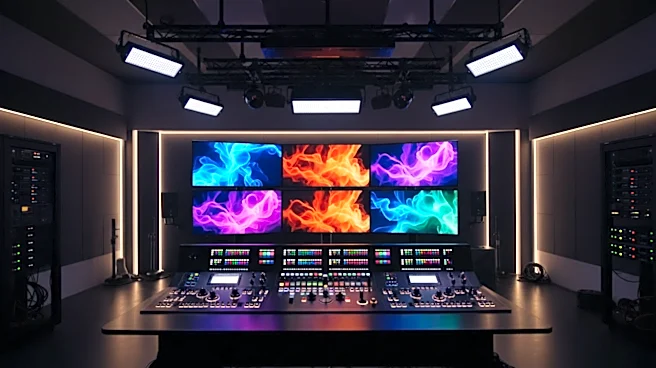
It all starts on set. Modern digital cameras capture footage in a “raw” or “log” format, which looks flat, desaturated, and low-contrast to the naked eye. This is intentional. This format preserves the maximum amount of light and color data, giving filmmakers the most flexibility later on. The next major stop is the post-production house for the Digital Intermediate (DI) process. Here, a specialist known as a colorist works with the director and cinematographer to manipulate the footage. This stage, called color grading, is where the movie gets its final, distinctive look. Using specialized software, the colorist adjusts contrast, saturation, and specific hues to enhance the mood and support the story, turning that flat footage into a polished, cinematic image.
The Screener Problem: Where It All Goes Wrong
After all that meticulous work, a master version of the film exists, perfectly calibrated for a high-end cinema projector or a reference-quality grading monitor. The problem is, that’s not how most awards voters watch movies. They watch them on laptops, tablets, and consumer-grade televisions, all of which display color differently. To get the film to voters, studios create compressed digital files for streaming. While the industry has largely moved away from wasteful DVD screeners, the digital delivery system introduces its own set of variables. Without a strictly controlled pipeline that accounts for these different displays, the film's carefully crafted look can be completely distorted. A dark, shadowy scene might become a block of incomprehensible black, while a subtly warm, romantic scene might look jarringly orange.
Why It Can Make or Break an Oscar Campaign
For an awards voter watching dozens of films, the viewing experience is everything. A film that looks washed out, overly dark, or just plain wrong can immediately be perceived as less professional or artistically unsuccessful. The emotional impact gets lost. A director's masterful control over mood and tone, executed perfectly by the colorist, evaporates on a poorly calibrated screen. Imagine a voter trying to appreciate the stunning cinematography of a film when all they see are crushed blacks and bizarre skin tones. This technical failure can easily be mistaken for an artistic one, potentially costing a film nominations or votes in key categories. Studios and post-production houses are increasingly focused on creating specific versions for these home-viewing environments, but it remains a significant challenge to ensure that every voter sees the film as it was meant to be seen, preserving the art in the artifice.