




The Narrative of the Overdue Veteran
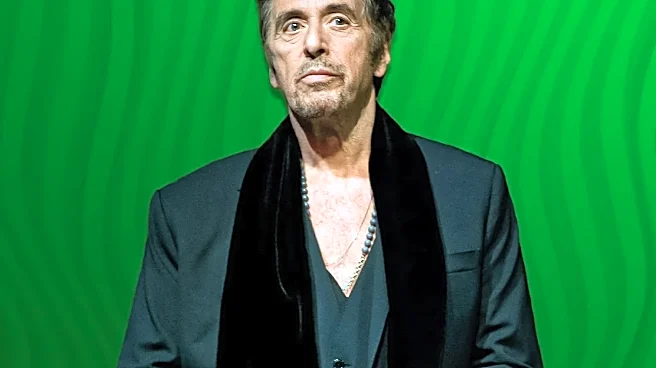
To understand the impact of Al Pacino’s 1993 Oscar speech, you have to understand the story leading up to it. By the early ‘90s, Pacino was widely considered one of the greatest actors of his generation, yet he had never won an Academy Award. He had a staggering
seven nominations for iconic roles in films like 'The Godfather,' 'Serpico,' and 'Dog Day Afternoon'. This created a powerful narrative within the industry: Pacino was due. This wasn't just trivia; in Hollywood, narrative is everything. The idea that an actor of his stature was repeatedly overlooked built a groundswell of support. When he was nominated for both Best Actor for 'Scent of a Woman' and Best Supporting Actor for 'Glengarry Glen Ross' in the same year, the stage was set for a correction. The industry wasn't just voting on a single performance; it was voting to finally honor a legend.
The 'Scent of a Woman' Turning Point
When Jodie Foster announced his name, the energy in the Dorothy Chandler Pavilion was electric. Pacino took the stage and immediately broke the mold of the humble, succinct winner. "You broke my streak," he began, before launching into a speech that was part raw emotion, part performance art. It was chaotic, heartfelt, and utterly captivating. He spoke of his desire for the work, the spirit of the artists, and let out the now-famous "Hoo-ah!" from his winning role. Unlike the carefully prepared lists of thank-yous common at the time, Pacino’s speech felt like a dam breaking. It was personal, slightly unhinged, and completely authentic to the persona he had built over decades. It wasn't just a speech; it was the climactic scene in the long-running drama of Al Pacino versus the Academy.
From Gratitude to Performance
Historically, Oscar speeches were moments of gratitude or, occasionally, political statements. Think of Sally Field's earnest "You like me!" or Marlon Brando’s protest via Sacheen Littlefeather. Pacino’s speech represented a new model: the acceptance as a final, masterful performance. He wasn't just accepting an award; he was embodying the very passion that his fans and peers admired. This performance-based approach raised the stakes for future winners. An actor could no longer just get up and read a list of agents and managers. The speech itself became a new metric of a winner's worth, a chance to prove, one last time, why they deserved to be on that stage. It blurred the line between the role they won for and their persona as an artist.
The Ripple Effect on Campaigning
So, did Pacino's speeches literally change how ballots were cast? The direct line is hard to prove. But what it undeniably reshaped was the strategy of an Oscar campaign. Before Pacino, campaigning was often a subtle art. After, the 'overdue veteran' narrative became a powerful, explicit tool. His win and speech proved that a compelling personal story could be just as important as the performance itself. Actors and their campaign managers learned that building an emotional arc—the struggle, the near-misses, the eventual triumph—could resonate deeply with Academy voters. The acceptance speech was no longer just the end of the race; it was the anchor leg. It was the moment to seal the narrative, to create an iconic memory that validated the win and made voters feel good about their choice. This focus on authentic, emotional storytelling during a campaign has only intensified in the decades since.