




The Grammy Stamp of Approval
When the Grammys decide to honor a hip-hop legend, it feels like a diplomatic affair. Take the much-discussed 50th-anniversary tribute in 2023. Curated by Questlove, it was an impressive, sprawling medley that zipped through decades of hits, from Grandmaster
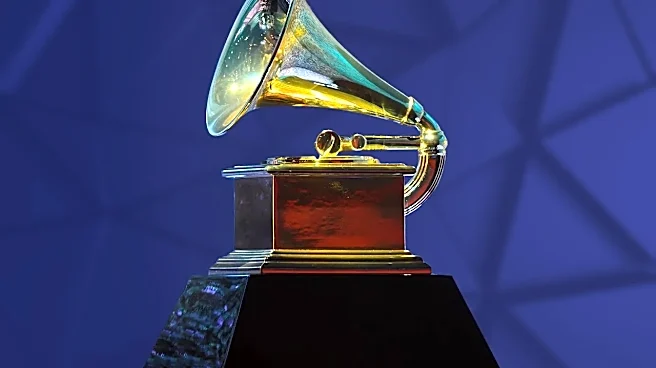
Flash to GloRilla. It was a powerful acknowledgment from the music industry's most traditional institution, signaling that hip-hop's pioneers are now worthy of canonization. For decades, however, the Grammys' relationship with hip-hop has been fraught with tension. The first-ever rap Grammy in 1989 wasn't even televised, prompting a boycott from nominees like DJ Jazzy Jeff and Will Smith. Since then, a long list of questionable wins, genre mischaracterizations, and snubs of groundbreaking albums has left many artists and fans skeptical. So when the Grammys roll out the red carpet for a tribute, it often feels like an act of assimilation. It presents hip-hop history as a completed chapter, packaged for a mainstream audience that may not know the cultural nuances. It’s prestige as defined by the establishment: a final, formal acceptance into the big, multi-genre tent.
A Celebration From Within the Culture
The VH1 Hip Hop Honors, which ran for years starting in 2004, operated on a completely different value system. Instead of waiting for legends to become palatable to a broad audience, it celebrated them from a place of deep, internal respect. The show honored not just rappers, but the architects of the culture, from DJs like Kool Herc to moguls like Russell Simmons. Crucially, it gave flowers to living, breathing icons for their historical significance, not just their commercial success. The tribute performances were a core part of this. They weren't just medleys; they were carefully curated acts of reverence. When honoring Rakim, you’d see artists he directly influenced, like Talib Kweli and Raekwon, perform his verses. The 2016 revival, “All Hail the Queens,” honored Queen Latifah, Salt-N-Pepa, Missy Elliott, and Lil' Kim. The tributes came from artists like Remy Ma, Trina, and Fantasia, creating a powerful sense of lineage and sisterhood. This was prestige defined by one’s peers. It wasn't about joining another institution's hall of fame; it was about being recognized by the community you helped build.
External Validation vs. Internal Respect
This contrast reveals two fundamentally different ideas of musical greatness. A Grammy tribute signifies that you've become so big the mainstream can no longer ignore you. It's external validation, often bestowed long after an artist's peak cultural impact, as seen when Nas performed solo for the first time decades into his career. This recognition is powerful, but it comes from an institution that many feel has historically misunderstood the genre it’s celebrating. The Hip Hop Honors represented internal respect. The accolades came from artists, producers, and fans who lived the culture and understood the context. A tribute to Queen Latifah wasn't just about her hit songs, but about her role in breaking barriers for women in rap and transitioning to Hollywood, paving the way for others. The show’s closing performance of “U.N.I.T.Y.” featured generations of female MCs on stage together, a visual testament to her specific legacy. One form of prestige is about being let into the club; the other is about being the reason the club exists in the first place.
Who Defines the Legacy?
While the VH1 Hip Hop Honors is no longer a regular event, its spirit endures. The value system it championed—peer-to-peer respect, cultural authenticity, and historical knowledge—is arguably more important than ever. The Grammys have made efforts to improve, with more diverse voters and elaborate hip-hop segments, but the perception of them as an out-of-touch institution persists. Many prominent artists, from Jay-Z to Drake, continue to criticize the awards, suggesting that their validation is no longer the ultimate prize. As hip-hop enters its sixth decade as a global force, it has built its own ecosystem of prestige. From viral Verzuz battles that celebrate catalog depth to genre-specific awards and media platforms, the culture has proven it is more than capable of honoring its own heroes. The Grammy tribute remains a significant moment of visibility, but the true measure of an artist's legacy may no longer be decided by a golden gramophone, but by the lasting respect of the community they represent.