

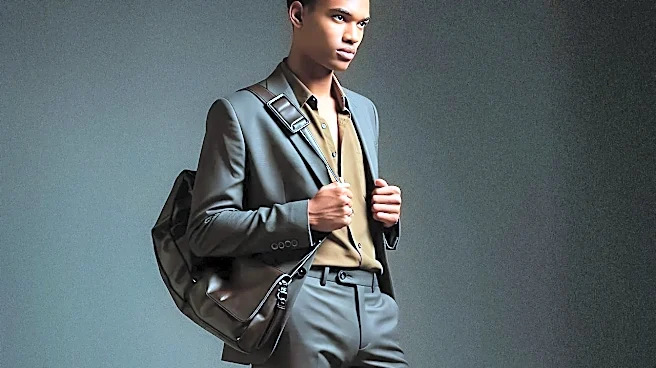

The classic tuxedo is an icon of formalwear, but its rigid structure can feel more like a uniform than a personal statement. The goal today is to find the sweet spot: relaxed but not casual, elegant but not stiff. It's a subtle art.
Soften the Silhouette
The foundation of a relaxed
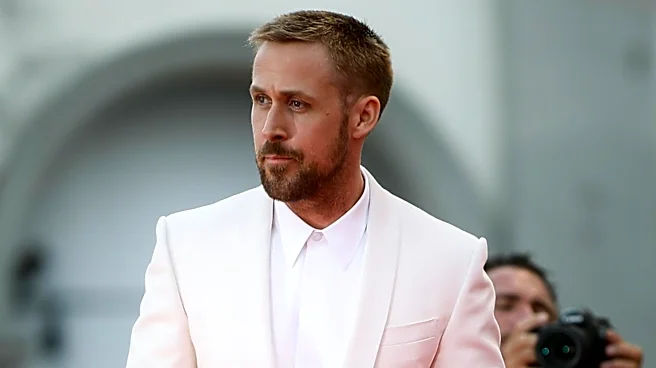
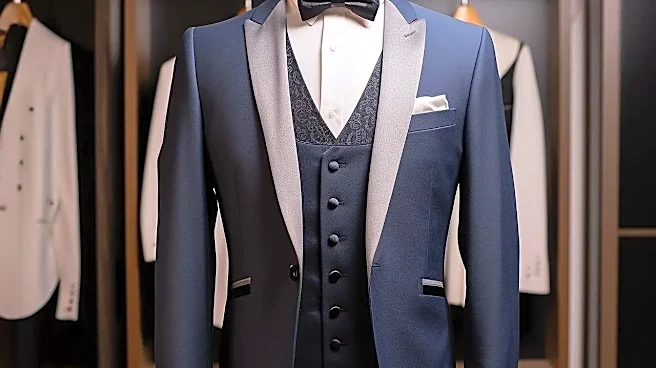
tuxedo is its cut and construction. Historically, tuxedos featured heavily padded, structured shoulders to create a formidable silhouette. Modern tailoring, however, favors a more natural shoulder line with minimal padding. This creates a softer, less intimidating shape that moves with your body. The fit is tailored and clean, but not restrictive. Look for jackets with a 'modern fit', which contours the waist without being tight, and trousers that are tapered but still comfortable through the thigh. The goal is a streamlined profile that suggests ease and confidence, a far cry from the boxy rental tuxes of the past.
Embrace Texture and Color
Fabric is your secret weapon for adding personality. While black wool is timeless, modern tuxedos embrace a wider, richer palette of materials and colors. Velvet has become a popular choice, offering depth and a touch of old-Hollywood elegance, especially in deep jewel tones like burgundy, forest green, or midnight blue. These colors are now considered sophisticated alternatives to basic black for many formal events. Textured fabrics, like a subtle jacquard or a woven blend, also add visual interest without shouting. Even a wool-silk blend can provide a subtle sheen that feels more luxurious and less uniform than standard-issue wool. This move toward varied textures and colors is central to making the tuxedo feel like a personal choice, not an obligation.
Rethink the Shirt and Neckwear
The stiff, pleated-bib tuxedo shirt is no longer the only option. A simple, high-quality white dress shirt with a spread collar and a clean front can instantly modernize the look. It's less fussy and allows the jacket to be the main focus. As for neckwear, while a self-tied bow tie is a classic for a reason, the rules have loosened. For less strict dress codes, a slim black necktie can offer a sharp, contemporary alternative. And in some fashion-forward contexts, stylists are even forgoing neckwear altogether, relying on a crisp shirt to maintain a polished V-shape at the chest. The key is to keep the choice intentional and clean.
Lose the High_Shine Patent Shoe
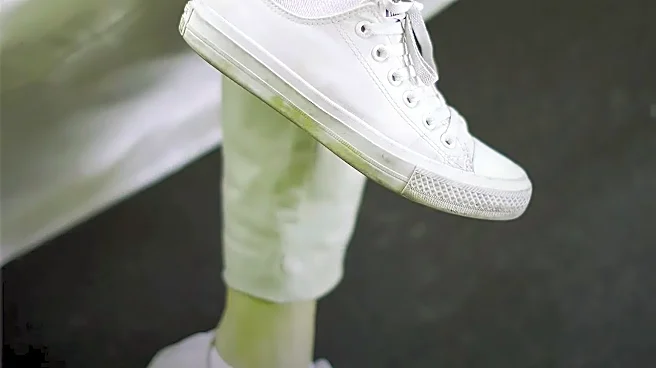
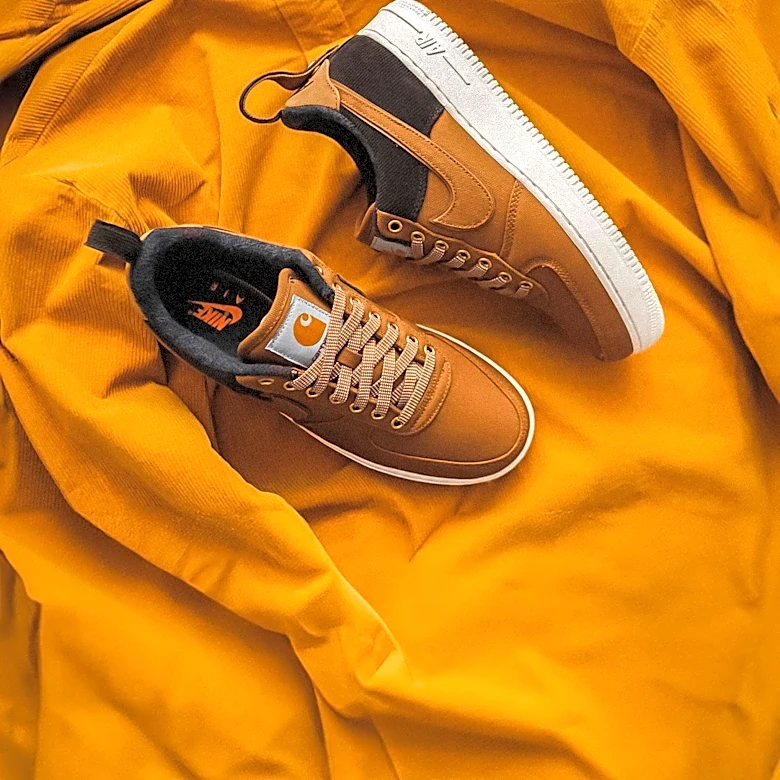
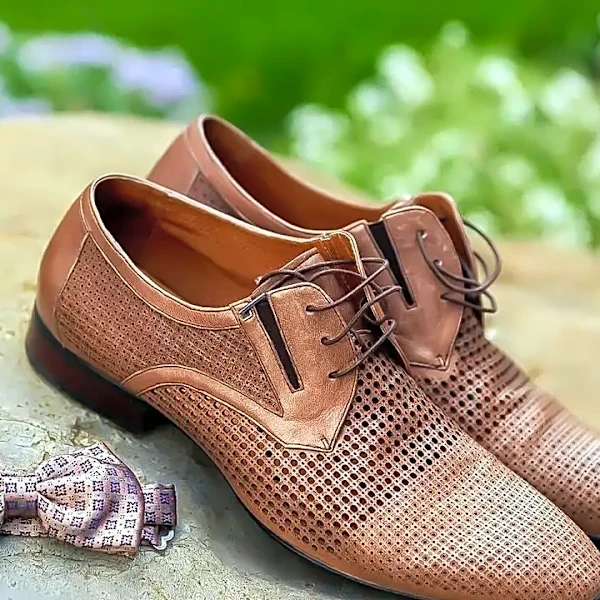
Patent leather oxfords are the traditional choice, but they can also feel rigid. One of the easiest ways to inject a relaxed feel into your formalwear is through your footwear. Polished leather loafers or even sleek velvet slippers have become widely accepted and stylish alternatives. These options feel more personal and comfortable while remaining squarely in the 'formal' category. For a bolder, more creative take, some style influencers have even paired tuxedos with clean, high_end leather sneakers, though this move is best reserved for events without a strict 'black tie' mandate. The point is to choose a shoe that complements the refined nature of the tuxedo but feels authentic to your own style.
Accessorize (and De-'Accessorize') with Intent
The cummerbund, once a staple meant to cover the waistband, is now often seen as optional for a more modern, streamlined look. Many contemporary tuxedos are worn without one, especially when the jacket is kept buttoned. Instead of adhering to a rigid set of accessories, the modern approach is about personal, thoughtful touches. A simple pocket square in a silk or cotton fabric can add a touch of character. A classic timepiece or a unique pair of cufflinks communicates sophistication without being flashy. The idea is to subtract the unnecessary—like the cummerbund if it feels dated to you—and add small details that reflect your personality.