





What Exactly Is Seam Allowance?
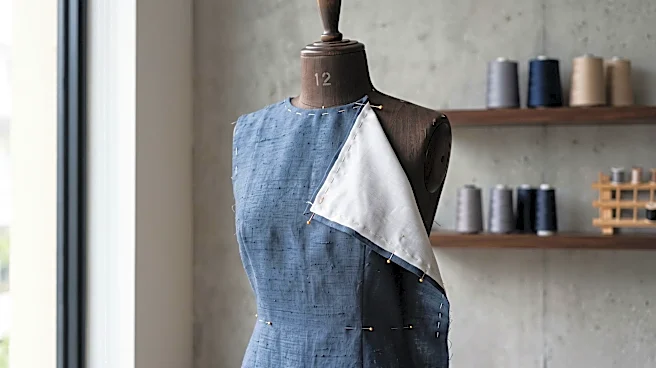
Seam allowance is the small amount of extra fabric between the stitching line and the raw edge of the material inside a garment. Think of it as a built-in buffer zone. Its primary purpose during construction is to provide enough space to securely join
two pieces of fabric, preventing the stitches from pulling out or the edges from fraying. But for the owner of the garment, it serves another critical function: it's the raw material a tailor uses to perform alterations. Without enough of this hidden fabric, letting a garment out is often impossible.
The Golden Rule: How Much Is Enough?
Not all seam allowances are created equal. In mass-market clothing, the standard for home sewing patterns is often 5/8 of an inch (about 1.5 cm), a measurement that provides enough room for secure seams and minor adjustments. However, in fast fashion, where minimizing fabric usage cuts costs, seam allowances can be drastically smaller, sometimes as narrow as 1/4 inch (about 0.6 cm). For a tailor to let a garment out, they typically need at least a half-inch of fabric to work with on each side of the seam. A generous seam allowance of one inch is even better, as it could allow a pair of pants or a dress with two side seams to be let out by a total of two inches. Taking a garment in, on the other hand, requires no extra fabric, as the tailor is simply creating a new, larger seam allowance.
A Smart Shopper's Guide to Checking Seams
You don’t need to be a sewing expert to evaluate a garment’s potential for alterations. Before you buy, simply turn the item inside out and examine its construction. Pay close attention to the major vertical seams, like the side seams of a shirt or the center back seam of trousers and skirts, as these are the most common points for letting a garment out. Gently pull the fabric apart at the seam to see how much extra material is folded inside. If you can see a healthy margin of fabric—ideally a half-inch or more—it's a good sign. If the stitching is uncomfortably close to the fabric's raw edge, you'll know that letting it out isn't an option.
A Telltale Sign of Quality
A generous seam allowance is often an indicator of a well-made garment. Manufacturers who include more fabric are investing in the longevity of their product, acknowledging that a person's body may change over time. In high-end and couture clothing, seam allowances can be an inch or wider, specifically to allow for future tailoring. Conversely, razor-thin seam allowances are a hallmark of fast fashion, where the priority is producing the maximum number of units at the lowest possible cost. These garments are built for a single season, not a lifetime of wear and adjustment. Beyond just the width, look at how the seam is finished. A clean, neatly finished edge, like a French seam where the raw edge is enclosed, signifies higher quality than a simple overlocked stitch, which is prone to unraveling.
Knowing the Limits of Alteration
While seam allowance is the most critical factor for letting out a garment, some alterations are complex regardless of the available fabric. Areas with tight curves, like armholes and necklines, are particularly tricky and usually have very narrow seam allowances to reduce bulk. Restructuring the shoulders of a jacket or altering intricate patterns can also be difficult and costly. Understanding the role of seam allowance empowers you to make smarter purchasing decisions. By taking a moment to look inside a garment, you can determine if it has the potential to be tailored for a perfect fit, ensuring it remains a favorite piece in your wardrobe for years to come.