


Beyond Superficial Style Advice
When the fashion press covers holiday dressing, the advice often feels generic and untethered from meaning. You’ll find suggestions for comfortable-yet-chic outfits, tips on avoiding red wine stains, and maybe a nod to florals for spring. While practical,
this focus on the superficial misses the deeper story of why we dress up for the Seder. Unlike a typical dinner party, the Passover Seder is a highly structured ritual meal recounting the journey from slavery to freedom. It’s an evening steeped in symbolism, and how we present ourselves can be a personal, symbolic act—a dimension often lost in articles that treat it like any other social gathering.
An Embodiment of Freedom and Renewal
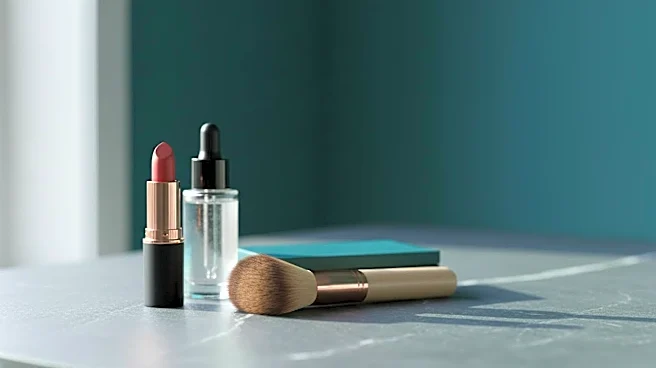
At its heart, Passover is the festival of liberation. It commemorates the Israelites’ exodus from Egyptian bondage, a transition from degradation to dignity. This narrative of renewal isn't just a historical story to be retold; it’s an experience we are meant to feel personally. Choosing to spend time on hair and makeup is a quiet but profound way to internalize this theme. It is a deliberate act of making oneself feel renewed, dignified, and worthy of celebration. After the hard work of cleaning and cooking, taking a moment to care for oneself is a personal exodus from the mundane. It is a claiming of one's own freedom and a rejection of the idea that one's worth is tied only to labor.
The Beauty of the Commandment
There's a beautiful concept in Jewish tradition called hiddur mitzvah, which means to beautify a commandment. The Talmud suggests that we should strive to perform mitzvot, or commandments, in the most aesthetically pleasing way possible—using a beautiful menorah, a hand-embroidered matzah cover, or a silver Seder plate. This principle can and should be extended to ourselves as participants in the ritual. By adorning ourselves, we are beautifying our fulfillment of the Seder's obligations. The intention and care we bring to our appearance elevate the entire experience. It’s not about vanity but about honoring the mitzvah, showing respect for the tradition, and enhancing our own connection to the divine.
Dressing for a Sacred Occasion
The act of dressing for the occasion signals its importance. We wear suits to weddings and black to funerals; our clothing communicates respect and sets a tone. The Seder is not just a family meal; it is a sacred, choreographed experience with thousands of years of history. Taking the time for hair and makeup is a modern way to honor that history. It draws a clear line between this night and all other nights. Historically, purchasing new, “Pesadik” (fit for Passover) clothing was a common practice for American Jews, a way to celebrate freedom and renewal. While a new outfit isn't always necessary, the spirit of renewal remains. The effort we put into our appearance is a non-verbal declaration that this night is different, special, and deeply meaningful.