





The All-Too-Familiar Genius Trope
Our culture is obsessed with the myth of the solitary genius. From Tony Stark forging his first suit in a cave to Sherlock Holmes solving crimes that baffle everyone else, we love the idea of one brilliant mind standing against impossible odds. It's a powerful
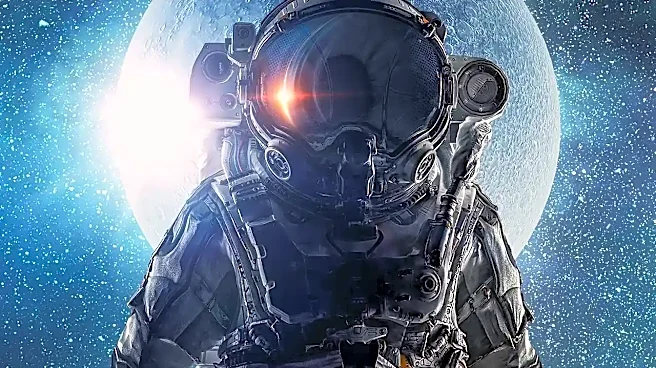
and romantic narrative: progress and salvation resting on the shoulders of a singular, exceptional individual. When “Project Hail Mary” opens, it feels like we’re in for another classic of the genre. Dr. Ryland Grace, a junior high science teacher, wakes up from a coma on a spaceship, millions of miles from home, with amnesia and his two crewmates dead. Humanity’s fate rests on his ability to solve a cosmic crisis—an alien microbe is literally eating the sun. The setup is perfect for a story about one man’s ingenuity against the vast, cold emptiness of space.
Then, a Knock on the Hull
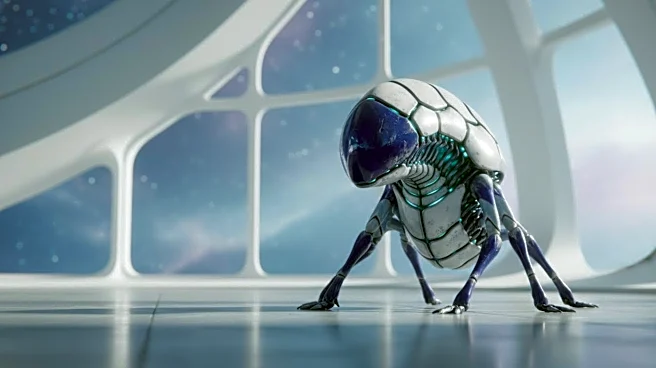
The story’s first and most crucial twist isn’t a scientific puzzle; it’s a social one. Grace discovers he is not alone in this distant solar system. Another ship is there, facing the exact same problem for its own home world. Onboard is an alien engineer Grace affectionately names Rocky. Rocky is a spider-like creature from a high-pressure ammonia atmosphere who perceives the world through echolocation and communicates via musical chords. At first, their relationship is pure necessity, a cautious exchange of scientific principles to establish common ground. But this initial contact quickly blossoms into the book’s central driving force. The story pivots from being a tale of lonely survival to a chronicle of the universe's most unlikely friendship.
A Partnership That Redefines Heroism
The genius of “Project Hail Mary” is that neither Grace nor Rocky could succeed alone. Their collaboration isn't a convenient subplot; it is the entire plot. Grace is a brilliant theoretical biologist, but he’s a clumsy engineer. Rocky is a master craftsman and engineer, but he lacks Grace’s specific biological insights. They are two halves of a whole solution. The novel spends significant time detailing how they bridge their immense biological and cultural differences. They learn each other's languages, share meals (on opposite sides of a divider), and develop a deep, genuine affection built on mutual respect and trust. Their problem-solving sessions are a masterclass in collaboration, with each partner’s strengths covering the other’s weaknesses. This isn't just a buddy-cop story set in space; it’s a profound statement that the biggest challenges require more than one perspective. It argues that true innovation comes from the space between different minds working together.
More Than Just Teamwork
The theme of collaboration runs deeper than just the Grace-Rocky dynamic. The entire Hail Mary mission was born from unprecedented global cooperation back on Earth. Faced with extinction, the nations of the world pool their resources and best minds, a starkly optimistic view in today's fractured geopolitical landscape. The book argues, at every level, that unity is not just a nice idea but a fundamental survival tool. Grace’s final, story-defining choice isn’t about saving humanity because it’s his duty; it’s about saving his friend because it’s his purpose. He sacrifices his chance to return to Earth as a hero to ensure Rocky’s survival, a decision that cements the book's core message. Heroism isn’t about solitary genius or fulfilling a mission; it's about connection and the selfless acts that spring from it.