



The Rules of the Royal Box
Getting a coveted invitation to the Royal Box at Wimbledon, extended by the Chairman of the All England Club, comes with sartorial strings attached. The dress code is a pillar of the event's tradition and is strictly enforced. For men, the rules are simple:
a jacket and tie are mandatory. For women, the directive is “smart daywear,” which generally translates to below-the-knee dresses, tailored trouser suits, or elegant jumpsuits. One of the most significant rules for women is a practical one: no hats. This ensures that every guest has an unobstructed view of the Centre Court action. While the rest of the Wimbledon grounds have a more relaxed, though still smart-casual, atmosphere, the Royal Box maintains a standard of formal daywear that sets it apart. Famously, Formula One champion Lewis Hamilton was once denied entry for not meeting the dress code, proving that the rules apply to everyone, regardless of status.
Why a Dress Code Is a Minimalist's Best Friend
At first glance, a strict dress code might seem like the enemy of a minimalist ethos, which often prioritizes freedom and simplicity. However, the opposite is true. A clear framework like Wimbledon's eliminates the pressure to chase fleeting, high-impact trends. Instead, it encourages a focus on the core principles of minimalism: quality, silhouette, and longevity. When you can’t rely on a flamboyant hat or a loud logo, you’re forced to appreciate the power of a perfectly tailored blazer or a dress made from beautiful, high-quality fabric. This mindset shifts the focus from “what can I wear that’s new?” to “what can I invest in that will always be appropriate?” The Royal Box’s rules are a built-in guide to curating a wardrobe of timeless pieces that communicate elegance through cut and construction, not decoration.
Building Your Capsule: The Minimalist's Approach
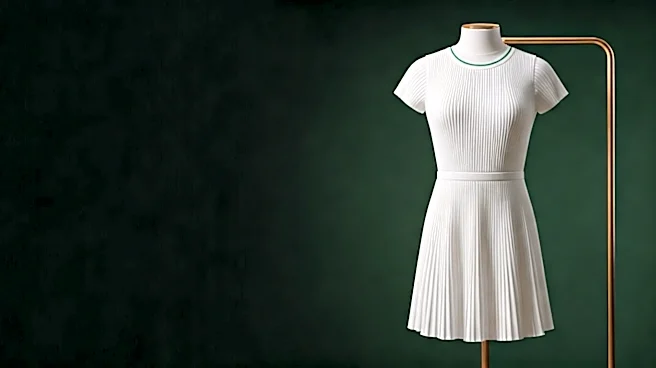
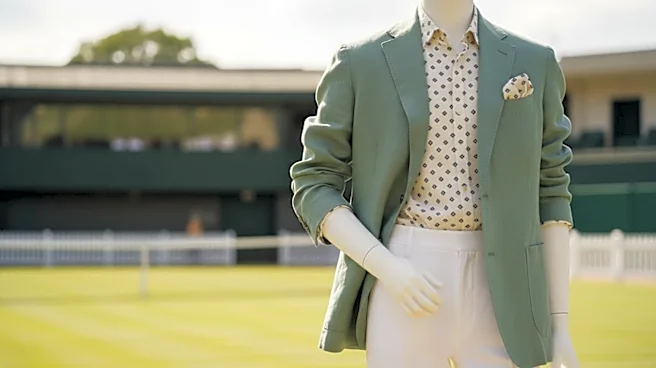
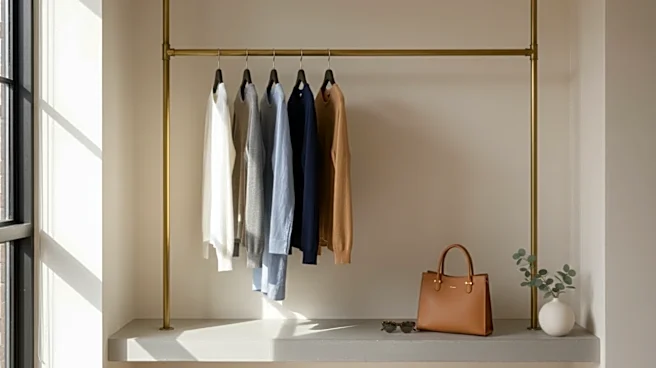
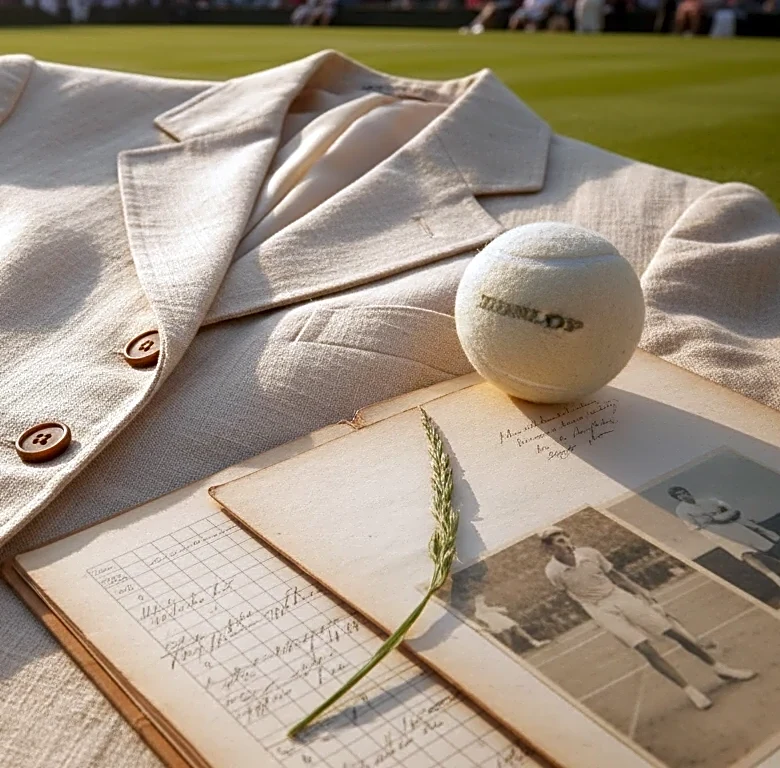
For a minimalist buyer, dressing for a formal day event is about strategic investment in versatile, high-quality staples. For women, this could mean a single, impeccably cut dress in a solid neutral or a subtle, timeless print like polka dots. Think of a silhouette that can be dressed up or down for other occasions, from a wedding to a boardroom meeting. A tailored blazer is another non-negotiable; it can be paired with a matching trouser or draped over a simple slip dress. For men, the key is a well-fitting navy or grey blazer in a natural, breathable fabric like wool or linen. This can be worn with classic chinos or smart trousers. The goal is to own fewer, better things. A cost-per-wear analysis is crucial; a $400 dress worn a dozen times is a smarter buy than a $150 trend piece worn only once.
Accessorizing with Quiet Confidence
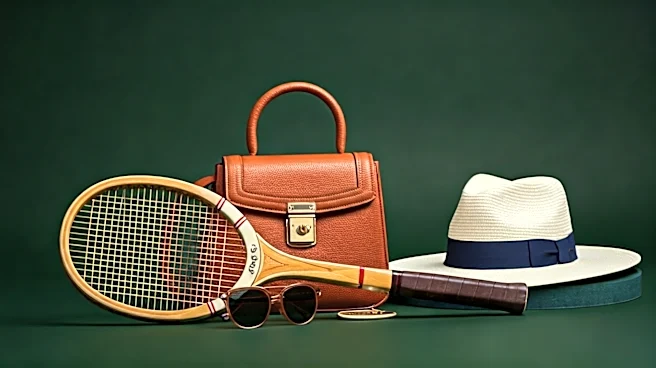
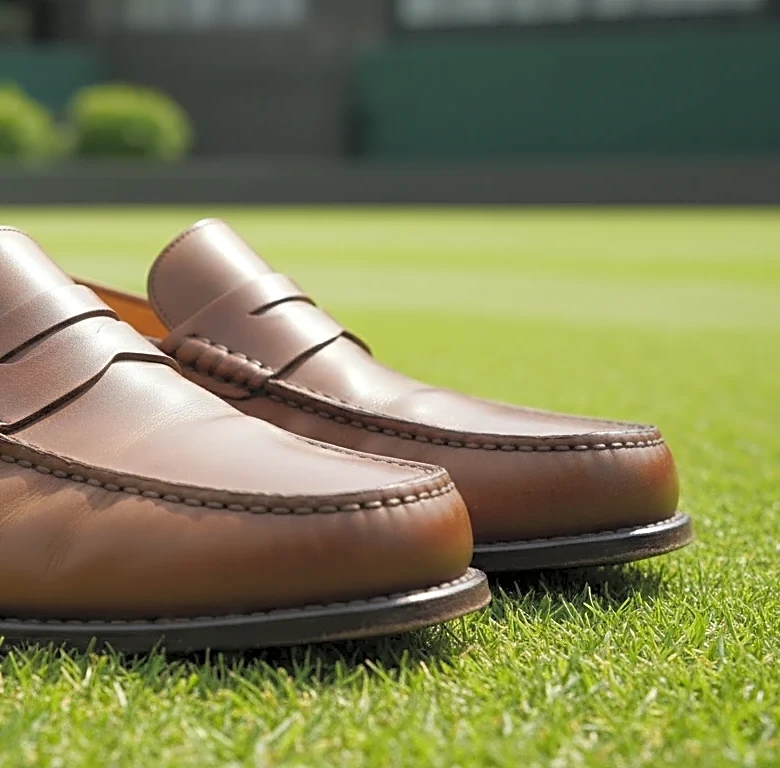
With a minimalist outfit, accessories aren't an afterthought—they're the finishing touch that elevates the entire look. The “quiet luxury” trend seen on the courts aligns perfectly here. It’s about choosing pieces that signify quality without shouting. For women, this means a structured leather handbag, elegant low heels or flats, and subtle jewelry like a classic watch or a simple pendant necklace. For men, a quality silk tie, a crisp pocket square, and classic leather Derby shoes or loafers complete the look. Sunglasses are essential for both practicality and polish. The key is restraint. Each accessory should feel intentional and contribute to an overall sense of composed elegance rather than competing for attention.
The Smart Shopping Mentality
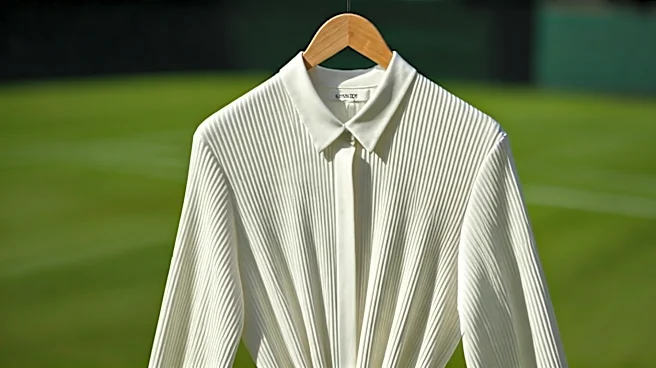
Adopting a minimalist buyer's lens for event dressing transforms how you shop. Instead of searching for a “Wimbledon outfit,” you hunt for the perfect white button-down shirt, the ultimate wide-leg trouser, or the timeless trench coat that will serve you for years to come. Focus on fabric quality—materials like silk, crepe, and high-quality linen not only look more expensive but also hold their shape and last longer. Analyze the architecture of a garment. Is the tailoring sharp? Are the seams flawless? These are the details that matter when an outfit is stripped of embellishment. This approach ensures your wardrobe is not a collection of single-use costumes but a functional, beautiful system of pieces that work together, ready for any invitation that comes your way.