
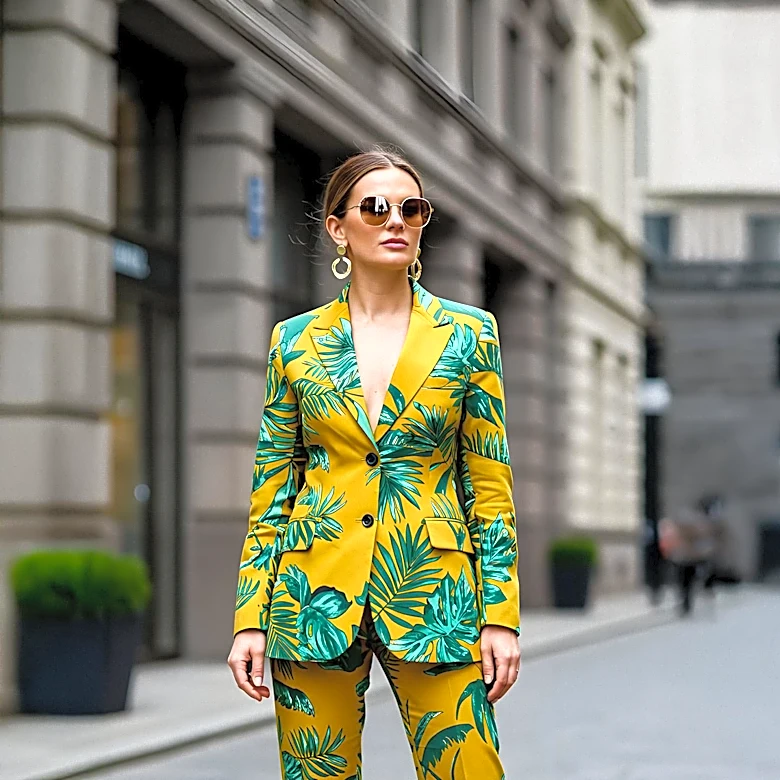





Remember when 'transitional dressing' was a neat little term for that predictable wardrobe shift in early fall or spring? That era is over. Now, getting dressed feels like a daily gamble against a four-season forecast in a single day.
The End of Predictable Seasons
Not long ago, the
fashion calendar was as reliable as the seasons themselves. Spring/Summer collections hit stores in February, and Autumn/Winter appeared in September. Transitional dressing was the art of navigating those in-between weeks—pairing a light sweater with summer skirts or breaking out the ankle boots while it was still warm enough for a t-shirt. It was a finite, predictable challenge. But as climate patterns become more erratic, with heatwaves in October and cold snaps in May, the concept of a 'season' has lost its meaning. This has created a state of perpetual transition, where the weather forecast is too unpredictable for any one type of wardrobe to make sense for long.
Climate Change as the Ultimate Disruptor
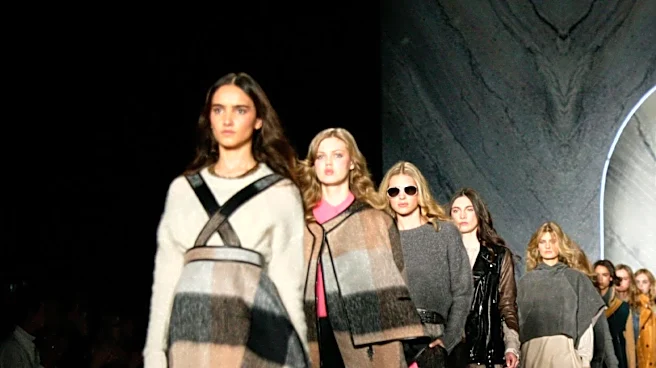
The most significant driver of this shift is, unsurprisingly, climate change. Unseasonably warm autumns delay the need for heavy coats and knitwear, leaving retailers with unsold inventory and consumers confused. A chilly morning can bleed into a sweltering afternoon, making that cozy sweater you left the house in feel like a personal sauna by lunchtime. This daily temperature whiplash makes planning an outfit a frustrating exercise in risk management. The industry is being forced to adapt, but it’s a slow process. While runway shows might feature thick winter coats, attendees are often still dressed for summer, highlighting the growing disconnect between the clothes being sold and the weather we're actually experiencing.
The Indoor-Outdoor Wardrobe Split
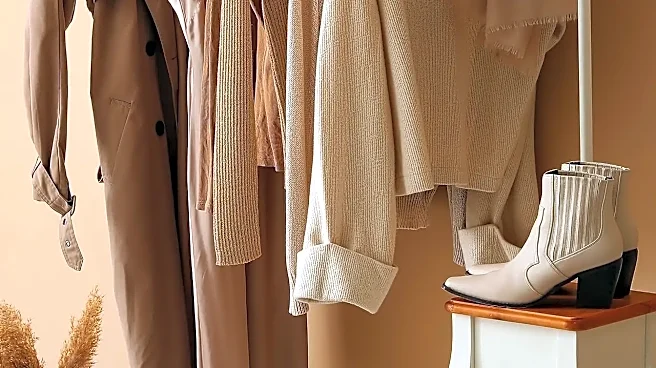
Our modern, climate-controlled existence adds another layer of complexity. We shuttle between aggressively air-conditioned offices, heated cars, and cozy homes, creating personal microclimates that have little to do with the world outside. This forces a reliance on constant layering—a cardigan to survive the office chill, a trench coat for the rainy commute, and a base layer that won't cause you to overheat the moment you step indoors. The perfect outfit must now perform across a range of temperatures, making versatile, adaptable pieces more valuable than ever. However, these 'do-it-all' garments are notoriously hard to find, leading to wardrobes full of clothes that only work in very specific, and increasingly rare, conditions.
Fast Fashion and the 52-Season Year
While climate change scrambles the natural seasons, fast fashion has completely dismantled the traditional industry calendar. Brands that once produced four collections a year now drop new 'micro-trends' weekly, creating a '52-season year'. This relentless cycle encourages a culture of overconsumption, where clothes are seen as disposable items to be worn a few times and discarded. The result is a closet full of low-quality, trend-driven pieces that aren't built to last or to be versatile. This constant influx of newness makes it difficult to invest in the high-quality, 'seasonless' staples that are essential for navigating a year of unpredictable weather.
The Hunt for a 'Seasonless' Solution
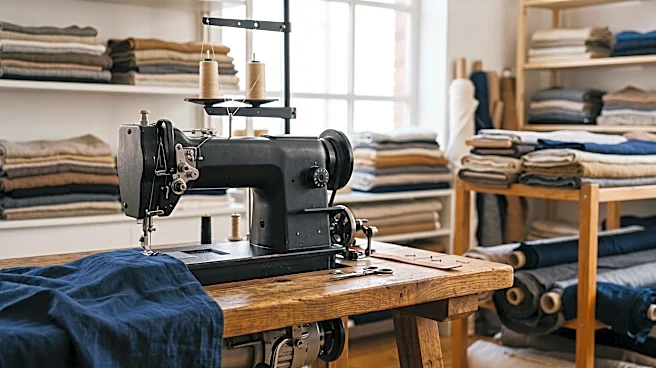
In response to this chaos, the holy grail of modern dressing has become 'seasonless style'. This philosophy champions timeless, versatile, and highstquality pieces that can be worn yearround through smart layering and styling. Think breathable fabrics, classic cuts, and a neutral color palette that can be easily adapted. The ideal seasonless wardrobe is smaller but more functional, reducing waste and decision fatigue. It’s a move away from the fleeting trends of fast fashion and toward a more sustainable and personal approach to style, where you invest in garments that serve you regardless of whether it's a shockingly warm November or a surprisingly cool June.