




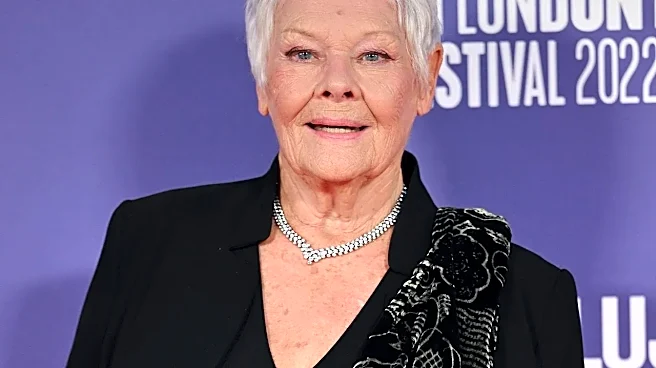

To an outsider, a major film festival like the BFI London Film Festival can seem like a chaotic scramble. But the separate, carefully managed schedules for critics, distributors, and moviegoers are part of a hidden, high-stakes choreography.
The Press: Building the Buzz
The first
wave to descend on a festival is almost always the press. Journalists and critics from around the world are given the earliest access for one simple reason: to generate buzz. Their rhythm is dictated by deadlines. Armed with press accreditation, they shuttle between screenings that often happen days or even weeks before the festival officially opens to the public. At the 2026 BFI London Film Festival, which runs from October 7th to the 18th, dedicated press and industry screenings began as early as September 28th. This head start allows them to watch dozens of films and prepare their reviews. These reviews are often held under strict embargo—a designated date and time before which they cannot be published. This controlled release of opinion is crucial. A wave of positive reviews can turn a small indie film into a hot commodity, while a string of negative ones can kill a movie's chances before a single public ticket is sold. For festival organizers, the press is the engine of hype, setting the narrative and telling the public what to be excited about.
The Buyers: Making the Deals
Moving in a parallel, often more secretive world, are the buyers. These are the industry delegates: executives from distribution companies like Neon, A24, or Netflix, and international sales agents. Their goal isn't to write a review; it's to find the next hit and acquire the rights to release it in theaters or on streaming platforms. Buyers attend many of the same early screenings as the press, but their experience is fundamentally different. They need to evaluate a film's commercial potential, often in a quiet, focused environment far from the red-carpet glamour. Their rhythm is one of calculation and negotiation. After a screening, they aren't rushing to file a story; they're huddling to discuss acquisition prices, marketing strategies, and release windows. For this group, a festival is a marketplace. It's where multi-million dollar deals are brokered, sometimes based on a single screening. Separating their screenings from the public's ensures they can make these decisions without being swayed by audience reactions and that delicate negotiations remain private.
The Public: The Final Celebration
Finally, there's the public. While the London Film Festival is known for being more accessible to general audiences than industry-focused events like Cannes, its public screenings are still the final piece of the puzzle. Their rhythm is one of excitement and discovery. By the time public screenings begin, the initial press buzz has already built anticipation for certain films. Gala premieres, complete with red carpets and Q&A sessions with directors and stars, become celebratory events. This scheduling is intentional. The public gets a curated experience, benefiting from the critical consensus and the marketing push generated by the press. The festival transforms from a trade show into a cultural event. Selling out public screenings validates the choices of both critics and buyers, proving that a film has an audience waiting for it. It's the moment the 'product' that has been analyzed and traded finally meets its end consumer.
The Choreography of Conflicting Needs
So why the separation? It’s a masterful act of balancing conflicting interests. Festival directors like LFF's Kristy Matheson are essentially choreographing a complex dance. If buyers were in the same screenings as an enthusiastic public audience, their cold financial calculus could be skewed. If the public saw a film before the press, there would be no curated buzz to guide them. And if critics couldn't see films before buyers, a few early, negative tweets could sink a potential distribution deal before it ever had a chance. By giving each group its own rhythm, the festival maximizes value for everyone. Filmmakers get their work seen by the people who can fund its future and the critics who can build its reputation. Buyers get a focused environment to do business. And the public gets the thrill of discovery in a curated, celebratory atmosphere. It’s a fragile but essential ecosystem that keeps the independent film world turning.