






A Canvas for Character
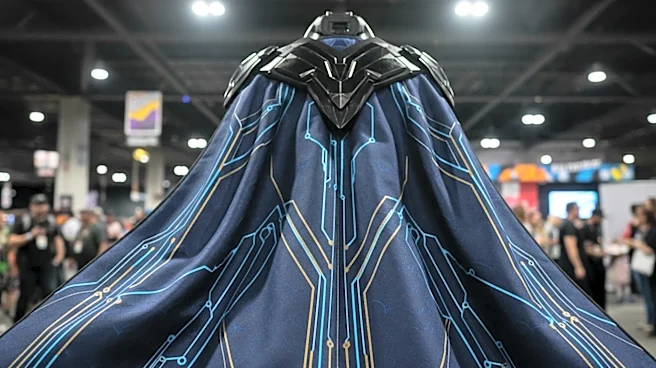
First and foremost, the back of a cape is a massive, flowing canvas that tells a story before the wearer even turns around. Historically, capes signified nobility, power, and mystery, from the cloaks of 19th-century literature to the iconic red of Superman's
first appearance. In the world of cosplay, this tradition continues with a modern twist. The back is the prime real estate for a character’s emblem, a faction’s symbol, or intricate patterns that convey their origins and allegiance. For characters like Doctor Strange, the cloak is practically a sentient being, while for Spawn, it’s a living, symbiotic weapon. A cosplayer doesn’t just replicate these details; they interpret them. The choice of embroidery, the specific shade of a logo, or the weathering on the fabric all communicate a deep understanding of the character’s journey, turning the cape’s back into a silent, visual biography.
The Engineering of Elegance
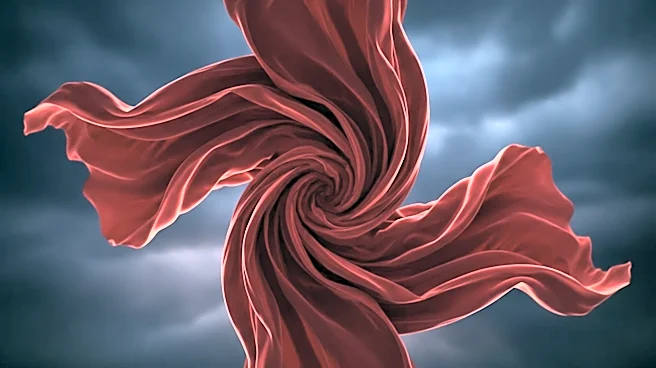
Anyone who thinks a cape is just a sheet tied around the neck has never tried to make one that doesn’t look like a limp dish towel. The obsession over the back view is deeply rooted in an appreciation for technical mastery. Cosplay artisans spend weeks, sometimes months, perfecting the physics of their capes. The choice of material is crucial: a heavy wool will give a design a sense of regality and structure, while lightweight silk or satin will billow dramatically with the slightest movement, creating an illusion of flight or speed. Cosplayers meticulously calculate the cut, from a simple rectangle to a full, fabric-hungry circle, to control the flare and flow. They build hidden support structures, harnesses, or specially fitted undershirts to ensure the cape sits perfectly on the shoulders without choking the wearer, distributing the weight for both comfort and aesthetic perfection. This is fashion engineering at its finest, a blend of tailoring and physics designed to create a single, breathtaking moment as the wearer walks by.
Designed for the Grand Exit
In the crowded halls of Comic-Con, an entrance is one thing, but an exit is everything. A cape’s back view is fundamentally theatrical. It’s the final impression you leave, trailing behind you as you move through a crowd or pose for a picture. In comics, artists have long used the cape to create a sense of motion and scale in a static panel. Cosplayers harness this same principle in real life. A long, flowing cape creates a stunning silhouette that makes the wearer appear larger than life, more heroic, and more dynamic. It’s a piece of performance art. The way a cape drapes, falls, and moves is often the most memorable part of a costume. It’s no wonder that photographers at conventions are often just as focused on capturing the back of a costume as the front. A great back view is a guaranteed showstopper, designed to be admired from afar and appreciated up close.
A Signature of Fandom
Ultimately, the obsession with the back of a cape is an obsession with personal expression. While thousands of people might cosplay as Batman, the specific way one person designs his cape—the length, the tattered edges, the way it catches the light—makes it uniquely theirs. This is where fashion truly meets fandom. It's a space for customization and interpretation, allowing a fan to put their personal stamp on a beloved character. Some may add subtle, personal symbols into the embroidery, while others might incorporate LED lights or other modern tech to bring a magical element to life. This devotion to detail is a sign of respect for the source material and a testament to the individual’s creativity. It’s a way of saying, “I love this character so much that I poured my heart, skill, and creativity into every inch of their being, especially the part you see when I’m walking away.”