





Beyond the Spectacular Save
For decades, the goalkeeper was an isolated specialist. Their job was simple, if not easy: keep the ball out of the net. They were judged on reflexes, bravery, and their ability to command the 18-yard box. When they got the ball, the default move was a massive,
booming punt downfield, essentially a hopeful turnover. The keeper was the last line of defense, a purely reactive position. But in the modern game, that’s no longer enough. The best goalkeepers in the world are no longer just defenders; they are the first point of attack, and their primary weapon is no longer a long kick, but a precise pass.
The Tactical Squeeze That Changed Everything
So, what changed? In a word: pressure. Top teams no longer sit back and let their opponents casually build an attack. They press high up the field, swarming defenders the moment they get the ball. This tactic, called the “high press,” is designed to force a mistake near the opponent’s goal, leading to an easy scoring chance. This created a huge problem. If defenders are under immediate pressure, they can't just turn and kick it to a midfielder. Their only safe option is to pass it back to the one player on the field who is almost always unmarked: the goalkeeper. A decade or two ago, this would have induced panic. A keeper comfortable only with their hands would receive the back-pass and immediately launch it downfield under pressure, conceding possession. The game demanded a new type of player.
The Real Skill: Playing as the 11th Outfielder
This is the skill to watch in 2026: a goalkeeper’s ability to act as an extra field player with the ball at their feet. When a team passes back to their keeper, don’t see it as a retreat. See it as a reset. The modern goalkeeper must be calm and technically skilled enough to control the ball, look up, and execute a smart pass, even with a 200-pound striker sprinting toward them. Sometimes, it’s a simple, short pass to an open defender, breaking the first line of the press and allowing their team to build an attack from the back. Other times, it’s a stunningly accurate long-range pass, hit over the top of the press to a winger running into space. Think of it like a quarterback reading a blitz. The keeper has to diagnose the pressure and deliver the ball to the right spot, turning a defensive crisis into an offensive opportunity.
The Goalkeeper as Playmaker
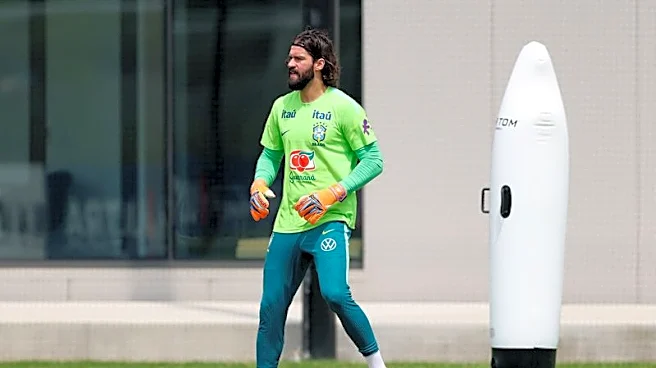
Players like Brazil's Alisson Becker and Ederson, who play for Liverpool and Manchester City, are the masters of this craft. They are so good with their feet that their teams actively use them to draw the opponent in, creating space elsewhere on the field. Their heat maps often show them operating far outside their penalty area, acting as a “sweeper-keeper” who cleans up long balls and initiates attacks. Ederson has even registered assists in the English Premier League with 70-yard passes that land perfectly for a forward. This skill fundamentally changes the geometry of the game. A team with a ball-playing keeper is essentially playing with 11 outfielders against the opponent's 10, creating a numerical advantage that is the foundation of modern possession soccer.