




1. Strategic Shirring
Unlike the wide panels of shirring you might see elsewhere, Copenhagen designers use it sparingly. A few rows of elasticized thread might cinch the waist of a dress or create a form-fitting bodice on an otherwise voluminous top. This adds shape and texture
exactly where needed, allowing the rest of the crisp poplin to float away from the body.
2. Micro-Pleating
Forget heavy, uniform pleats. The Scandinavian approach involves ultra-fine, almost-imperceptible pleating that adds a soft, architectural ripple to the fabric. These tiny folds catch the light and create movement, giving a simple poplin shirt or skirt a dose of texture that feels both delicate and modern.
3. Asymmetrical Ruching
Ruching is the art of gathering fabric, and in Copenhagen, it's rarely symmetrical. Designers will often run a drawstring or a line of stitching up one side of a dress or across a bodice diagonally. This creates an elegant, off-kilter drape that feels intentional and artistic, shaping the garment without overwhelming it.
4. Delicate Pin-Tucks
Pin-tucks are tiny, stitched-down folds of fabric, often no wider than a sixteenth of an inch. Used in precise, parallel lines on the bib of a shirt, down a sleeve, or across a skirt panel, they provide a subtle linear texture. It's a classic technique, but when applied to minimalist poplin silhouettes, it feels fresh and sophisticated, adding detail without weight.
5. Controlled Gathers
While a gather might sound like it adds volume, the Danish method is all about control. Instead of an explosion of fabric, you'll find gathers used to create a gentle puff sleeve, a slightly flared peplum, or a soft cascade in a skirt. The crispness of the poplin helps these gathers hold their shape, creating structure rather than puffiness.
6. Modern Smocking
Smocking, an embroidery technique that gathers fabric into stretchy, textured patterns, gets a modern update. Instead of traditional diamond patterns, you might see geometric motifs or minimalist floral designs. Brands like Ganni and Cecilie Bahnsen use smocked panels to create fitted yokes or cuffs, contrasting the textured elasticity with the smooth expanse of the poplin.
7. Architectural Cut-Outs
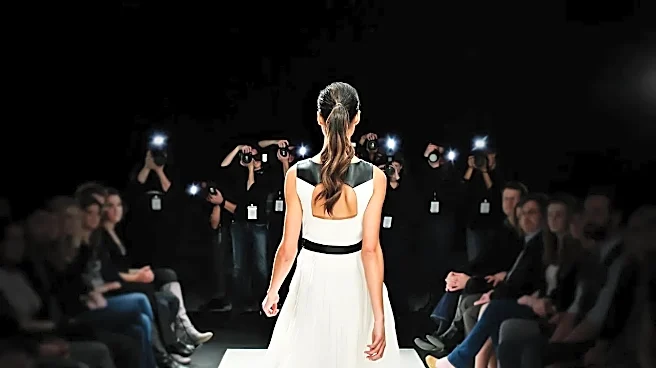
Sometimes, the most effective way to manipulate fabric is to remove it. Copenhagen designers are masters of the well-placed cut-out. A subtle opening at the waist, a slash at the back, or a keyhole at the neckline can break up the surface of a poplin dress, creating negative space that adds interest and highlights the garment's structure.
8. Origami-Inspired Folds
This technique treats poplin like paper, creating sharp, sculptural folds that hold their shape. You might see this on a pocket detail, a cuff, or a collar. The folds are precise and often asymmetrical, turning a simple element into a focal point without adding another layer of fabric.
9. Deconstructed Seaming
Why hide seams when you can celebrate them? Many Danish designs feature exposed or exaggerated seams. By finishing a seam on the outside or using a contrasting thread, designers draw attention to the garment's construction. This adds a graphic, linear element to the piece that defines its shape from the outside in.
10. Knotted and Twisted Details
A simple twist or knot can completely transform a silhouette. Designers will often incorporate a twist at the bust of a top or a knot at the waist of a dress. This technique gathers the fabric in a focused, organic way, creating a flattering drape and a point of interest that feels effortless and cool.
11. Tiered Paneling with Flat Seams
Tiered dresses and skirts are a Copenhagen staple, but they avoid the bulk of traditional ruffled tiers. Instead, designers connect wide panels of poplin with flat, clean seams. This creates a voluminous, A-line silhouette that moves beautifully without the frilly, heavy feel of gathered layers.
12. Tone-on-Tone Appliqué
Appliqué, or sewing shapes of fabric onto a surface, is done with extreme subtlety. Using the exact same poplin, a designer might add a floral shape or an abstract swirl. The effect is a barely-there texture that only reveals itself up close, adding a layer of depth and craftsmanship without interrupting the minimalist vibe.
13. The Statement Collar
While not a manipulation of the fabric itself, the oversized collar is a signature way Copenhagen designers play with poplin. Brands like Ganni use the fabric's inherent stiffness to create large, sharp, or ruffled collars that frame the face. This adds a dramatic focal point and architectural interest to a simple shirt, proving that sometimes the silhouette is the best manipulation of all.