




The Sheer Grime of It All
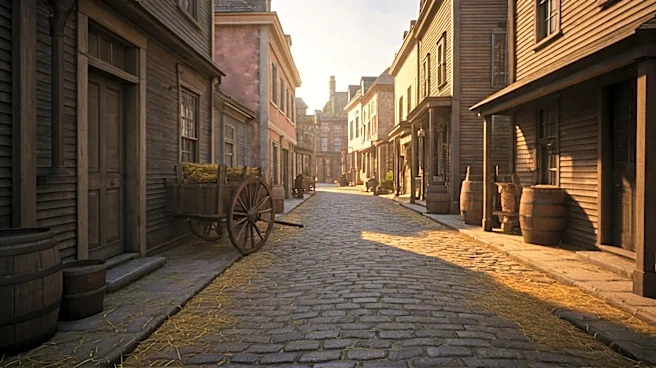
Modern period pieces often present a sanitized version of the 18th century, but the reality was far messier. Daily life for most people, even in cities like Philadelphia, was an assault on the senses. Streets were filled with the stench of animal and
human waste, and smoke from wood fires was a constant presence. While shows like HBO’s “John Adams” make a point of showing things like messy teeth to reflect poor dental hygiene, they can only hint at the pervasive lack of sanitation. People bathed infrequently, believing full immersion in water could let disease into the body. So next time you see a character looking a bit too clean, remember that the authentic 18th-century experience would have been overwhelmingly smelly and dirty.
The Truth in the Textiles
Costumes are more than just pretty outfits; they’re storytellers. While some productions, like the History Channel’s “Sons of Liberty,” have been criticized for prioritizing modern aesthetics over accuracy, others go to great lengths for authenticity. In the 1770s, clothing was a primary indicator of social status. Most people owned very few garments, typically made of coarse linen or wool. The vibrant colors and silks seen on the upper classes were expensive imports. “John Adams” was lauded for its costume design, which showed the evolution of fashion, such as the gradual disappearance of powdered wigs. Even details like shoe buckles and the fact that women wore separate pockets tied around their waist under their skirts are windows into the era’s daily life.
The Sound of the Revolution
Dialogue in historical dramas is a constant balancing act between authenticity and clarity for a modern audience. You’ll rarely hear characters speak with the precise cadence and vocabulary of the 1770s because it would likely sound stilted and strange to us. While shows like “John Adams” often lift dialogue directly from letters and primary sources to capture the spirit of the characters, they still adapt it for television. Similarly, the accents are almost always a creative choice. A true 18th-century American accent would sound more like a modern English West Country accent to our ears, something rarely attempted for fear of confusing the audience.
Creative Liberties with Timelines
To create a compelling narrative, screenwriters often compress events, invent conflicts, and rearrange timelines. AMC’s “Turn: Washington's Spies,” for example, was based on real intelligence operations but took significant liberties. The Culper Spy Ring, central to the show, was established in 1778, not 1776 as the series premiere suggests. Likewise, many characterizations, like the villainous portrayal of John Simcoe, were exaggerated for dramatic effect. Even the highly respected “John Adams” combines separate trials into one and alters the timing of key political events to create a smoother, more dramatic story arc. These changes aren't necessarily mistakes but deliberate choices to make complex history digestible as entertainment.
The Unseen Realities of Daily Life
Many of the hardest parts of 18th-century life are difficult to portray on screen. Privacy, for instance, was a foreign concept to most. Entire families, plus apprentices, often slept in the same room, sometimes in the same bed. Daily life was dictated by sunlight, not clocks, as work began at sunrise and ended at sunset. Travel was slow and arduous; a trip from Washington, D.C., to New York City could take up to three weeks on foot. While a drama might show a character embarking on a long journey, it can’t fully capture the sheer, mind-numbing boredom and physical toil that defined travel and labor for the vast majority of the population during the Revolutionary era.