




It All Starts With a Story
Before a single dress is requested or a designer is called, the process begins with a question: What's the narrative? A VMA look is never just clothes; it’s a press release in sartorial form. Is the artist launching a rebellious new album? Reclaiming
their image after a controversy? Or simply aiming to become the night's most talked-about person? Stylists work with their clients for weeks, sometimes months, to define this goal. A look might be designed to project power, vulnerability, artistic evolution, or pure, unadulterated fun. This story becomes the creative foundation, guiding every choice from the silhouette of the gown to the shade of the lipstick. It’s the reason a seemingly simple outfit can feel powerful and a wildly avant-garde one can feel authentic. Without a clear story, it's just a costume; with one, it's a statement.
Designing for the Digital Eye
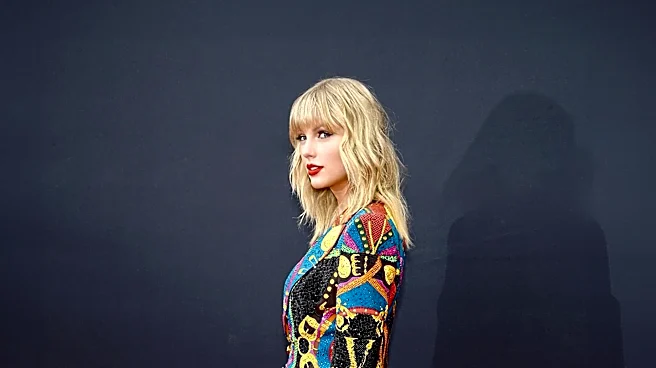
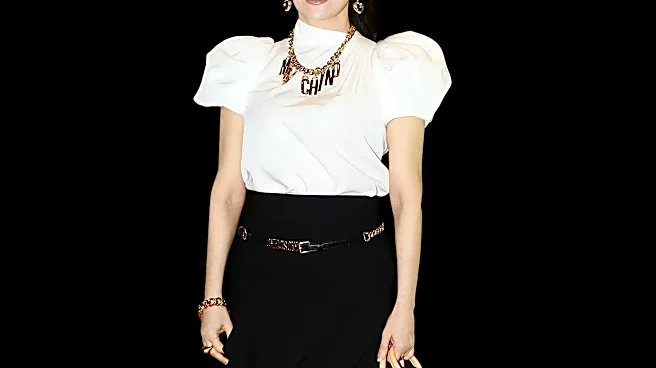
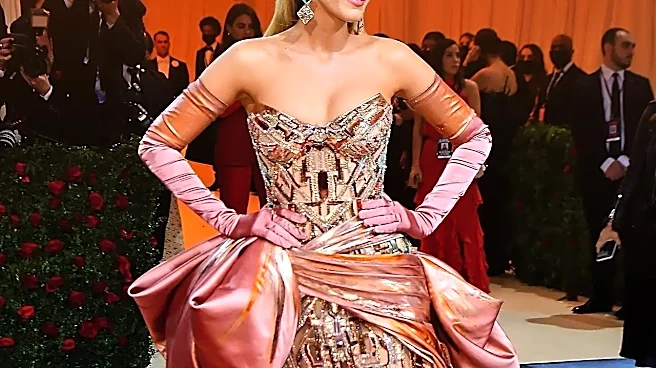
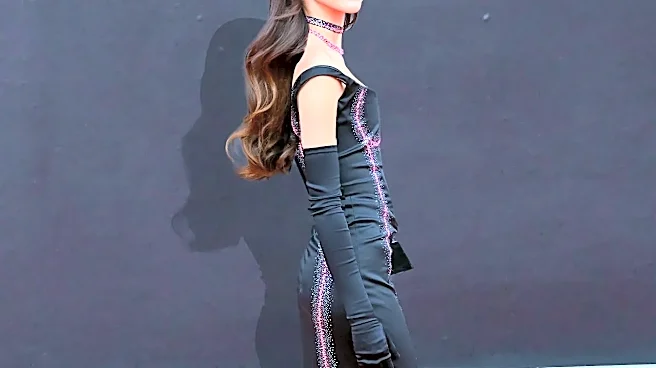
A look that seems stunning in person can fall flat on camera—or worse, on a tiny phone screen. The VMA carpet is a high-speed, high-flash environment, and stylists are experts in creating looks built for the medium. They consider what will stop someone from scrolling, what will pop in a Getty Images gallery, and what will look just as dramatic in a wide shot as it does in a close-up. This means prioritizing bold silhouettes, vibrant colors that stand out against the chaotic backdrop, and unique textures that catch the light. The infamous “naked dress” trend, for instance, thrives on the VMA carpet because its shock value is perfectly calibrated for instant digital chatter. It’s a calculated risk, designed to be seen, shared, and debated in real-time across the internet.
The High-Stakes Sourcing Game
Once a direction is set, the hunt begins. Stylists leverage their deep relationships with fashion houses to “pull” looks. For A-list nominees, this might mean commissioning a custom gown months in advance, complete with sketches and multiple fittings. For others, it's a competitive scramble to borrow one-of-a-kind samples from recent runway collections. There's a pecking order: nominated artists often get first pick, followed by presenters and other high-profile attendees. The VMAs are unique because designers are often more willing to offer experimental or risky pieces that might be too edgy for the Oscars. It's a complex negotiation to ensure no two stars wear the same outfit and that the chosen look aligns with any brand partnerships the celebrity might have.
Building the Head-to-Toe Vision
The stylist's job extends far beyond the main outfit. They are the creative director of the entire moment, collaborating closely with hair and makeup artists to create a cohesive vision. The hairstyle might be chosen to accentuate the neckline of a dress, while the makeup could pull colors from an accessory. Often, the glam squad will see the outfit and create a mood board to guide their work. These discussions start during the very first fitting. Accessories are also critical, from the sky-high platform heels that add drama to the specific jewelry that completes the story. Every element is deliberately chosen to support the central narrative of the look, ensuring a head-to-toe statement that feels complete and intentional.
Planning for Controlled Chaos
On the day of the show, stylists become problem-solvers. The hours leading up to the red carpet are a whirlwind of activity, with glam teams often needing several hours to perfect the look. Getting dressed is the final step. Stylists come armed with kits containing everything from double-sided tape and sewing needles for last-minute emergencies to lint rollers and static guard. Sometimes, an artist is literally sewn into their dress to ensure a perfect fit. There are also backup outfits and accessories on standby in case of a catastrophic wardrobe malfunction or if the client has a last-minute change of heart. The goal is to deliver a look that appears effortless and inevitable, even if its creation was anything but.