





The Glass Hairline Effect
On the red carpet, a particular kind of polish stood out. Celebrities like Ariana DeBose and Julianne Hough sported hairlines so sleek and flawlessly sculpted they almost defied gravity. It’s a look that goes beyond the popular “wet look” or simple slick-back.
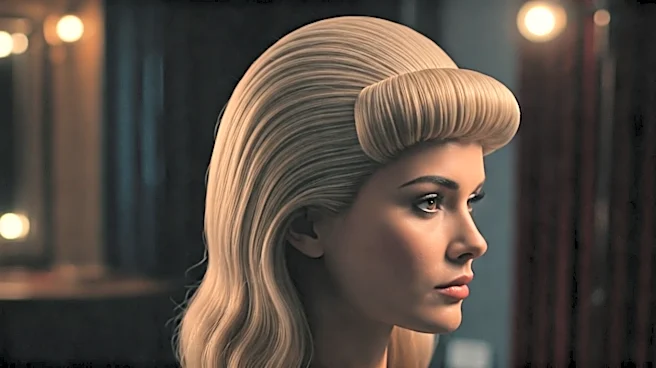
This was different. The hair, particularly around the temples and forehead, appeared almost laminated to the scalp, creating a seamless, glass-like transition from skin to hair. There were no flyaways, no frizz, just a perfect, molded frame for the face. This hyper-defined style, often paired with an elegant chignon or ponytail, immediately read as intentional, architectural, and deeply connected to the world of performance the Tony Awards celebrate.
A Secret from the Wig Room
So, where does this trend come from? Not from a Parisian runway or a TikTok filter, but from the decidedly less glamorous, highly functional world of a Broadway wig room. The headline-making hairstyle is a direct aesthetic descendant of “wig prep.” Before an actor puts on a wig for a show, their own hair must be completely flattened and secured to create a smooth, bump-free base. This is crucial for making the wig look natural and stay in place through hours of singing, dancing, and sweating under stage lights. Hairstylists backstage use a combination of strong-hold gel, hairspray, and sometimes a nylon wig cap to slick every single strand down, paying special attention to the hairline. The goal of traditional wig prep is to make the real hair disappear. The irony is that this “disappearing act” has now become the look itself.
From Practicality to High Fashion
For years, the slicked-down, gel-heavy foundation was the unseen labor of theater. It was the crucial first step nobody in the audience was ever supposed to notice. But celebrity stylists are now borrowing the *method* to create a finished *style*. They’re taking the functional technique and turning it into the main event. Instead of hiding the prep under a wig, they are polishing it and presenting it as a finished look. This involves meticulously sculpting the baby hairs, using high-shine products to elevate the “wet” look of the gel, and ensuring the part is surgically precise. It’s a clever nod to the craft of theater, transforming a backstage necessity into a statement of high-gloss, intentional glamour. It says, “I appreciate the process so much, I’m wearing the scaffolding as the sculpture.”
Why the Trend Works Now
This trend isn't just about looking sleek; it's about celebrating artistry and control. In a world of effortless beach waves and messy buns, this look is unapologetically precise. It takes time, skill, and a deep understanding of hair texture and products. It’s a power move, conveying a sense of polished perfection that feels both modern and rooted in classic stagecraft. By wearing their hair “prepped,” stars and their stylists are paying homage to the immense, often invisible work that goes into creating a performance. They are, in a sense, making the invisible visible, and in doing so, they are acknowledging the entire ecosystem of artisans—the wig masters, the costumers, the lighting designers—who make the magic happen every night on Broadway.