



The Arena Tour: A Hip-Hop Opera
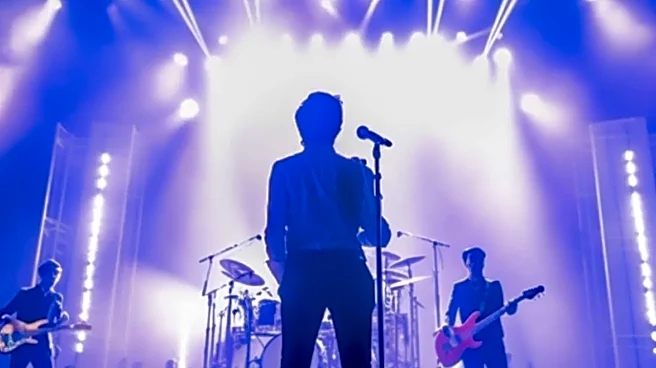
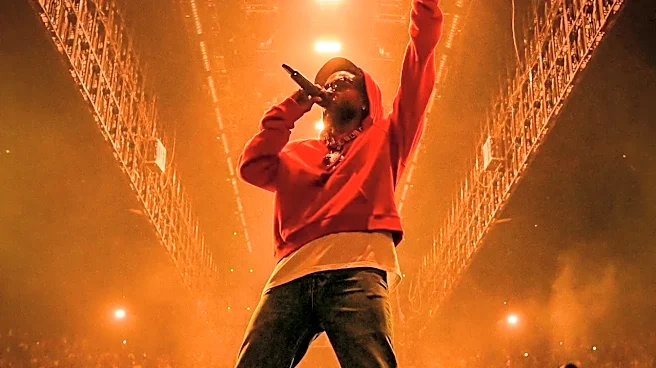
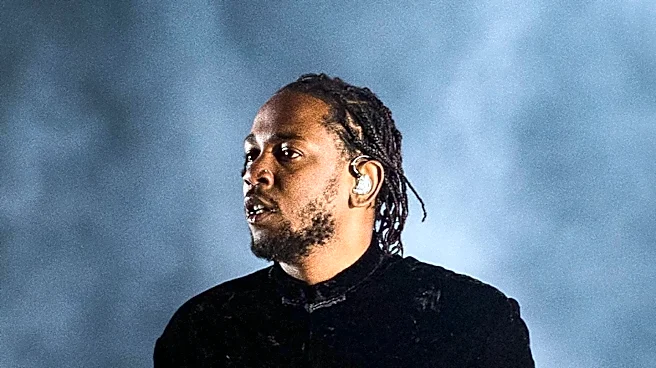
When Kendrick Lamar builds an arena tour, he isn't just making a setlist; he's writing a play. His 'Big Steppers Tour' was a prime example, described by many as a form of hip-hop opera. The show was a meticulously crafted theatrical experience, complete
with a narrator (Dame Helen Mirren), symbolic props like a piano and puppets, and a cast of choreographed dancers. The entire production was built around the narrative of his album, 'Mr. Morale & the Big Steppers,' following a character on a journey through therapy. The pacing was deliberate, with slower moments, spoken-word interludes, and complex visual storytelling using shadows and light to explore themes of self-reflection and trauma. This format is designed for a captive audience of dedicated fans who bought a ticket specifically to see him. They are there to immerse themselves in his world, to analyze deep cuts, and to follow a complex, two-hour emotional arc. It's an art-centric performance that prioritizes storytelling over simply playing the hits.
The Festival Set: A Greatest Hits Blitz
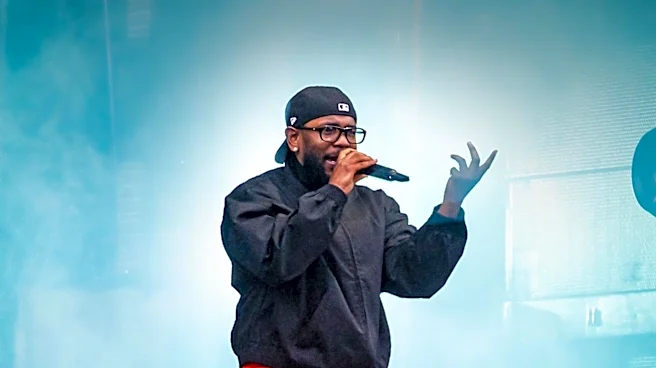
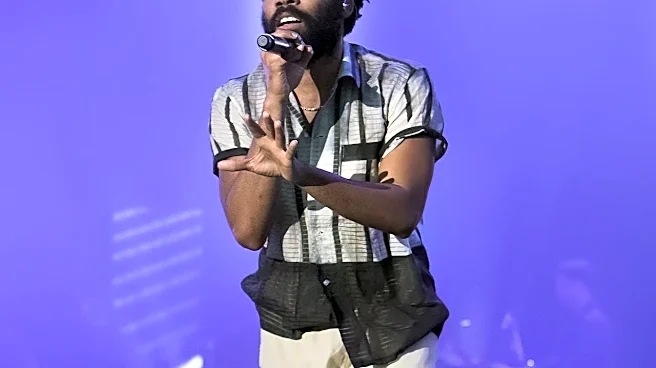
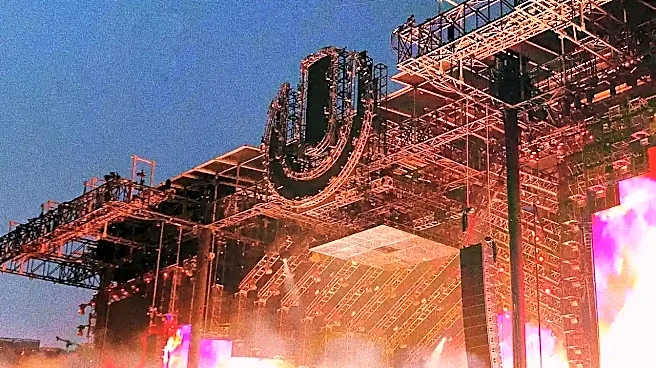
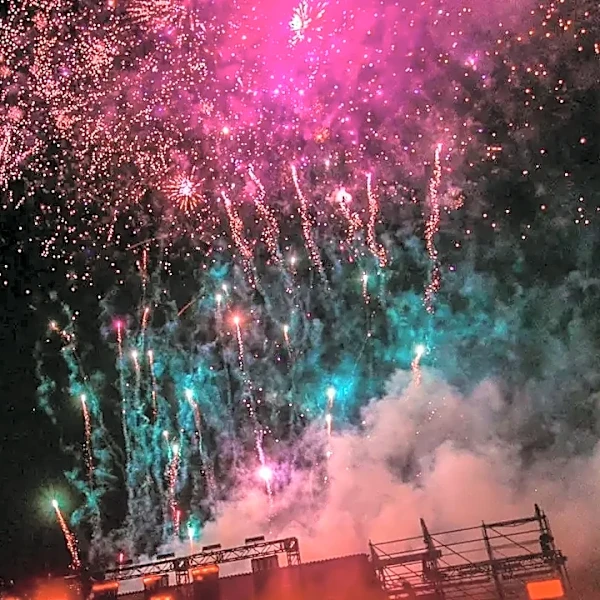
A festival headline slot is a different beast entirely. Here, the goal isn't just to preach to the choir but to convert the masses. An artist might be playing to tens of thousands of people, many of whom are casual listeners, fans of other genres, or simply wandering by. For these massive, diverse crowds, Lamar switches gears completely. His festival sets are typically shorter, more explosive, and relentlessly paced. The strategy shifts from deep narrative to a high-energy barrage of universally recognized anthems. Songs like "HUMBLE.," "Alright," "DNA.," "Money Trees," and "Swimming Pools (Drank)" become the backbone of the set. There's less room for quiet introspection or intricate choreography. Instead, the focus is on creating massive, communal moments and maintaining a high level of energy from start to finish. The pacing is designed to grab and hold the attention of a distracted audience, turning the field into a massive party. It's less of a therapy session and more of a victory lap.
Why The Two Strategies Work
This dual approach showcases Lamar's deep understanding of audience and environment. The arena is a controlled space where he can demand and receive focused attention for his complex artistic statements. It's for the believers. The festival, however, is a battle for attention. By deploying a set packed with hits, he ensures his performance becomes a can't-miss event for everyone on the grounds, cementing his status as a top-tier headliner. This adaptability is a key part of his genius. He can create songs with deep, complex messages that also function as party anthems, allowing him to connect with different audiences on their own terms. His ability to please a crowd with familiar bangers while challenging them with deeper themes is a rare skill. He doesn't compromise his message; he simply changes the delivery method to fit the room—or in this case, the giant open field.
A Masterclass in Performance Art
Ultimately, Kendrick Lamar's two-pronged approach to live performance is a masterclass for other artists. It demonstrates that a show is not a one-size-fits-all product. The 'Big Steppers Tour' became one of the highest-grossing hip-hop tours in history precisely because it offered a unique, high-art experience that fans couldn't get anywhere else. At the same time, his powerful, hit-driven festival and special event performances, like his recent 'Pop Out' concert in Los Angeles or his Super Bowl halftime show, create massive cultural moments that resonate far beyond his core fanbase. By tailoring the pacing, setlist, and theatricality to each specific context, Lamar doesn't just perform his music. He ensures that every single person in the audience, whether a die-hard fan in the front row of an arena or a curious onlooker at a festival, experiences the most potent version of his artistry possible.